Tag

Science And Exploration

All articles tagged with #science and exploration

Smile mission set for May 19 launch to map Earth's response to solar wind
science-and-exploration1 month ago

Smile mission set for May 19 launch to map Earth's response to solar wind

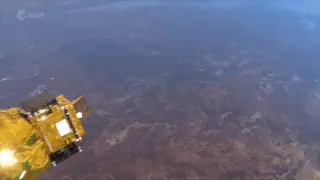
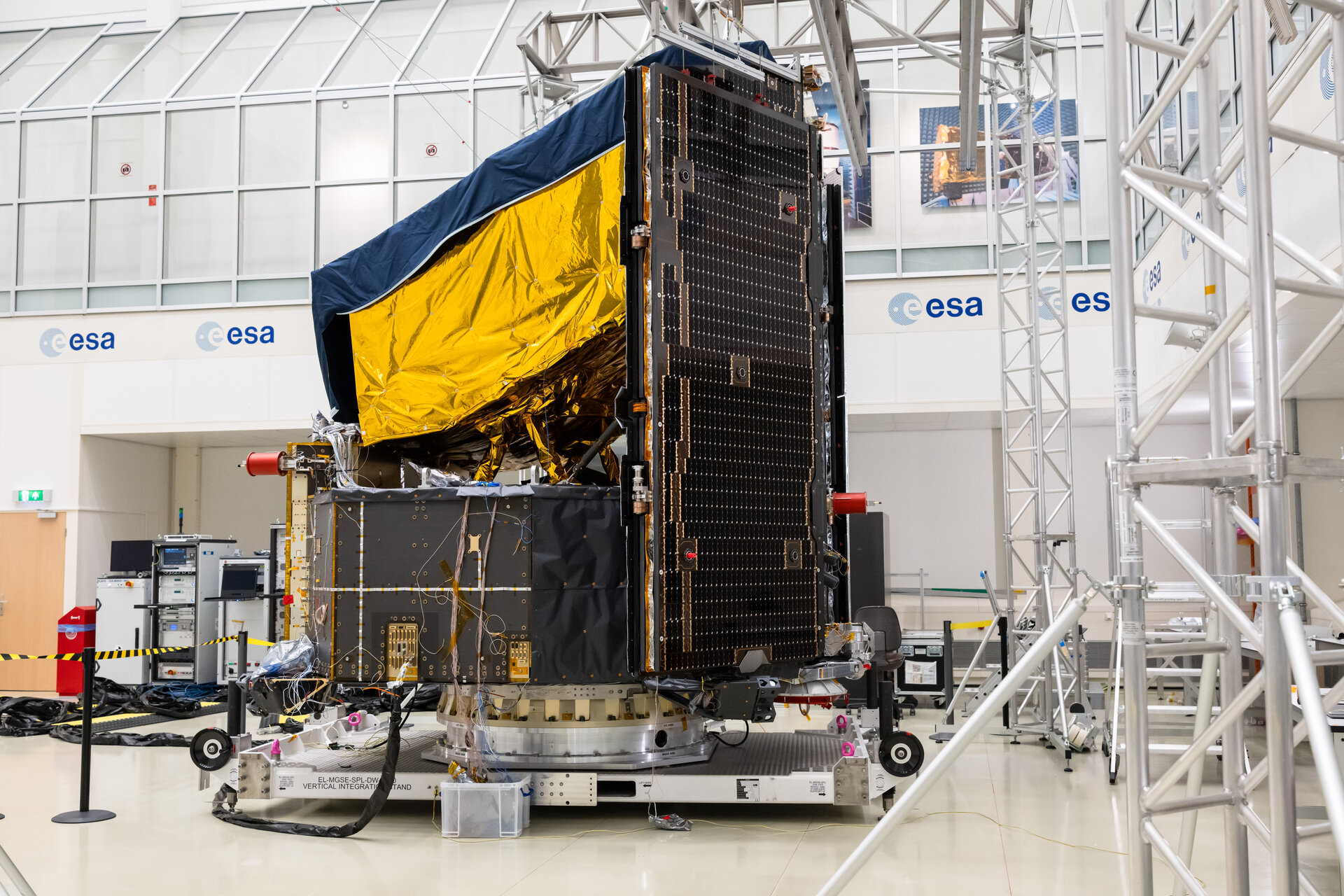
The European-Chinese Smile mission, a joint ESA-CAS project to study how Earth reacts to solar wind using an X-ray camera for magnetosphere observations and a UV imager for auroras, is rescheduled to launch on May 19, 2026, aboard a European Vega-C rocket from Europe’s Spaceport in French Guiana after a precautionary delay due to a Vega-C subsystem issue. The launch time is 05:52 CEST / 04:52 BST / 00:52 local, with Smile released after about 57 minutes into a low-Earth orbit and solar panels unfolding around 63 minutes after liftoff, before entering an elongated orbit peaking about 121,000 km above the North Pole and extending to roughly 5,000 km above the South Pole to deliver data to ground stations. The mission aims to shed light on space weather, solar storms and geomagnetic processes through its four instruments, as ESA and CAS collaborate on this Solar wind Magnetosphere Ionosphere Link Explorer.

Hubble celebrates 36 years with a refreshed look at the Trifid Nebula
science-and-exploration1 month ago

Hubble celebrates 36 years with a refreshed look at the Trifid Nebula

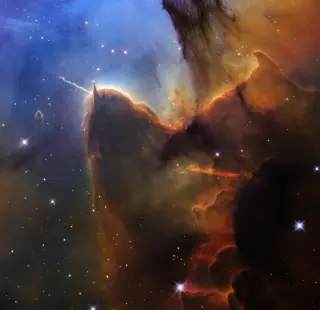
On its 36th anniversary, the Hubble Space Telescope revisits the Trifid Nebula (Messier 20), a roughly 5,000-light-year-old star-forming region, with a newer wide-field camera to reveal changes on human timescales and features like protostellar jets and ultraviolet winds sculpting the gas—underscoring Hubble’s ongoing legacy of discovery and collaboration with Webb.

Crew-12 Set for SpaceX Dragon Flight to the ISS
science-and-exploration3 months ago

Crew-12 Set for SpaceX Dragon Flight to the ISS

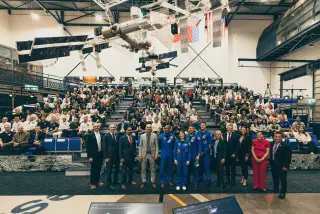
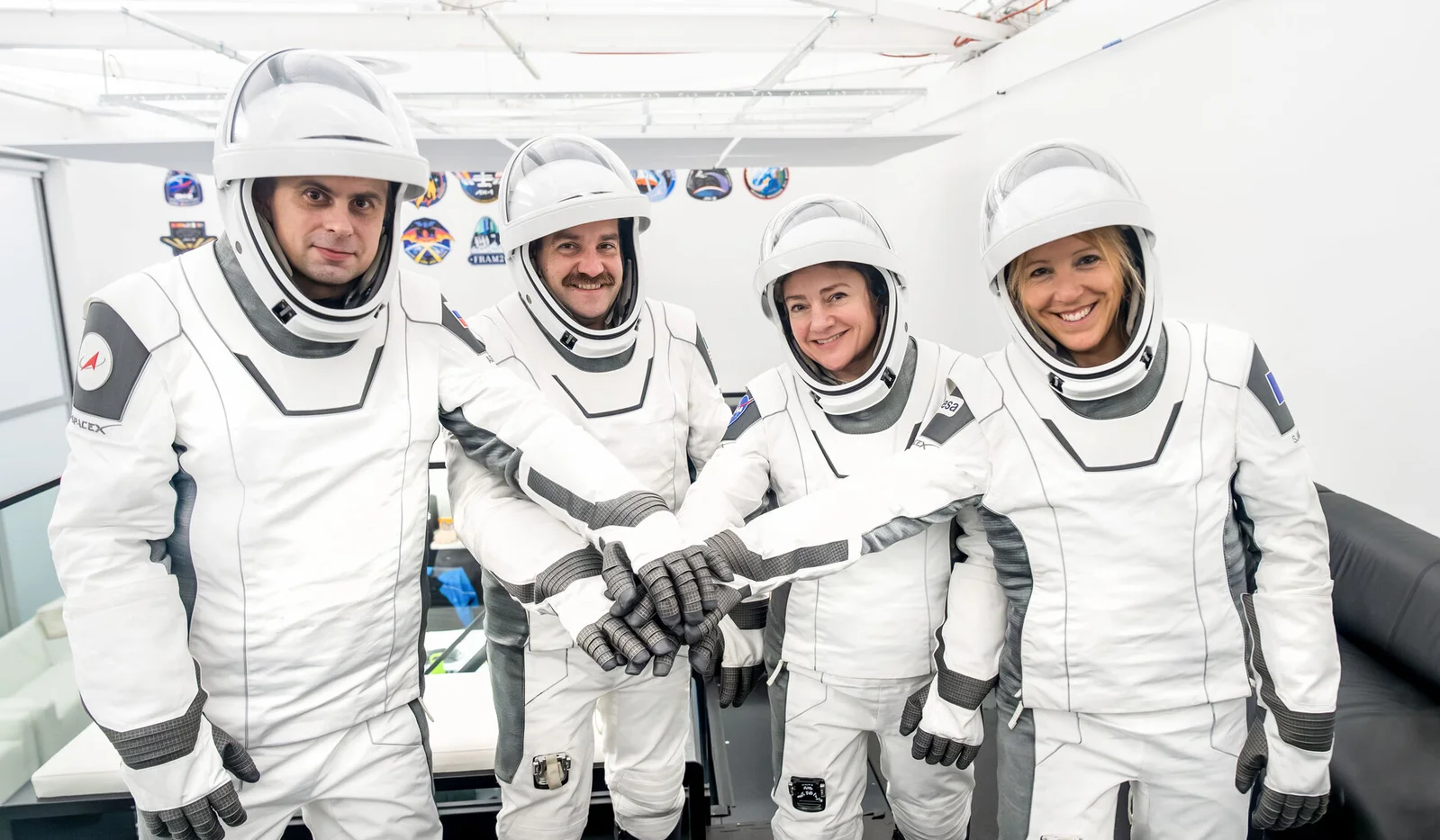
Crew-12—Andrei Fedyaev, Jack Hathaway, Jessica Meir and Sophie Adenot—are slated to launch no earlier than Feb 11 from Cape Canaveral aboard SpaceX's Dragon, propelled by a Falcon 9, to the ISS for about nine months and to join Expeditions 74/75. Adenot and Hathaway will make their first spaceflight; Meir is on her second, and Fedyaev would become the first cosmonaut to fly twice on Dragon. The quartet quarantined Jan 28 at Johnson Space Center and will move to Kennedy Space Center Feb 6; launch windows are Feb 11 with backups Feb 12–13. The εpsilon mission highlights international cooperation and science in orbit.

Stunning New Mars Images Reveal Surprising Details and True Colors
science-and-exploration5 months ago

Stunning New Mars Images Reveal Surprising Details and True Colors

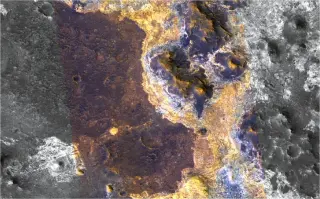
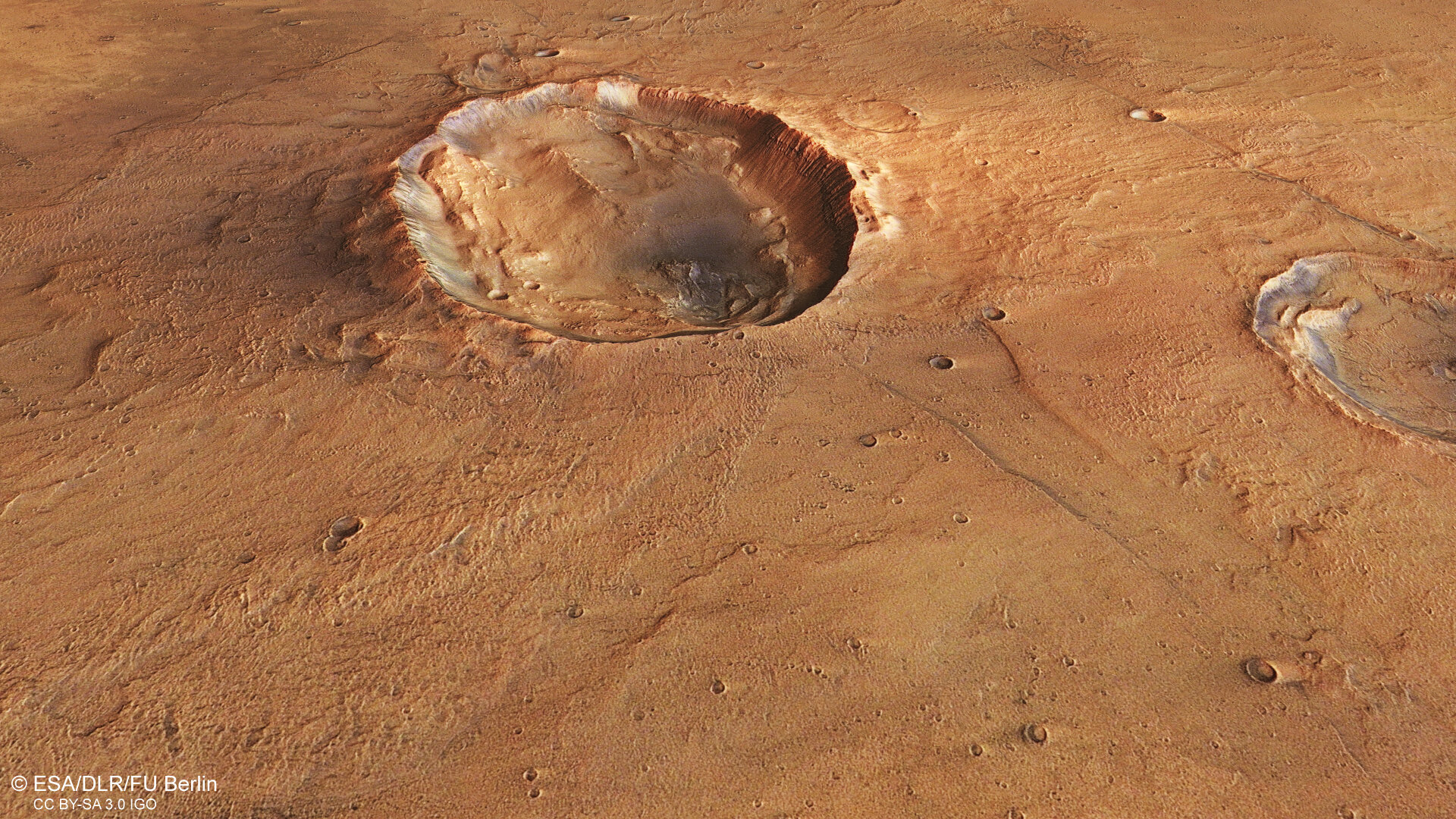
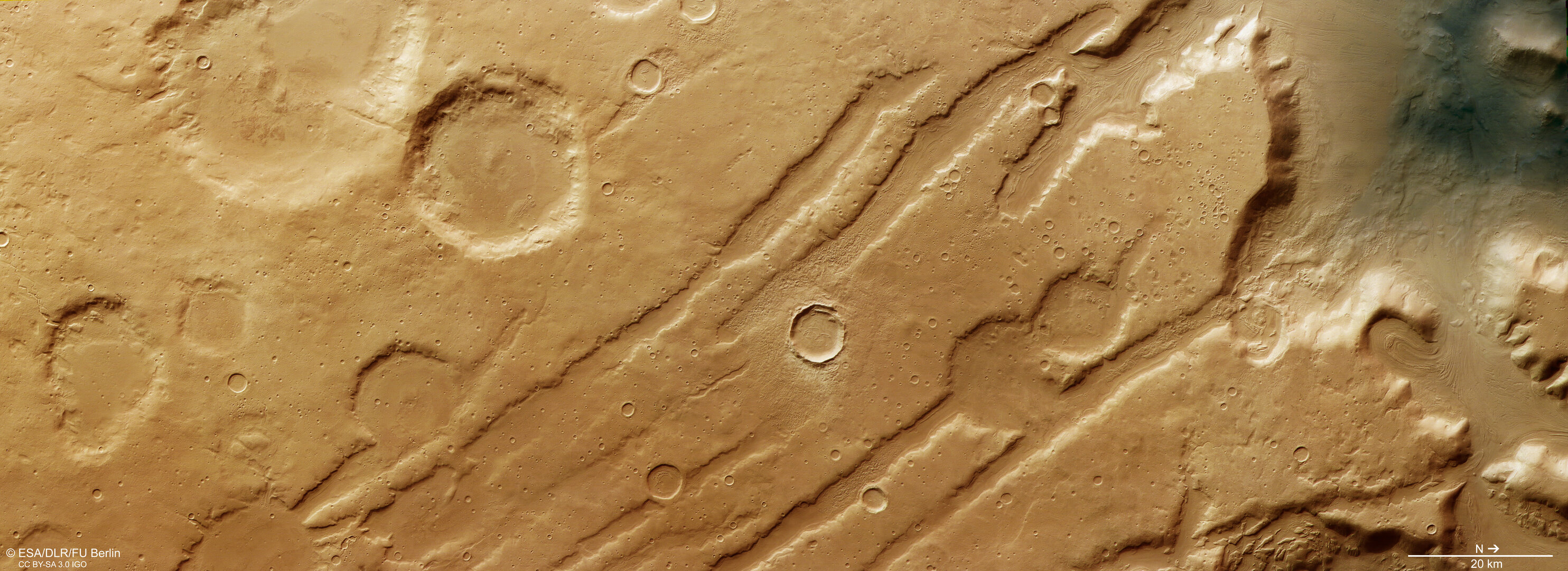
ESA's Mars Express has captured an image of a unique crater on Mars that resembles a butterfly, formed by a low-angle impact that created irregular wings and a central oval body, with evidence suggesting interaction with water or ice during formation. The region also features volcanic mesas and signs of past volcanic activity, providing insights into Mars's geological history.

Scientists Detect First Explosive Burst from Nearby Star
science-and-exploration6 months ago

Scientists Detect First Explosive Burst from Nearby Star

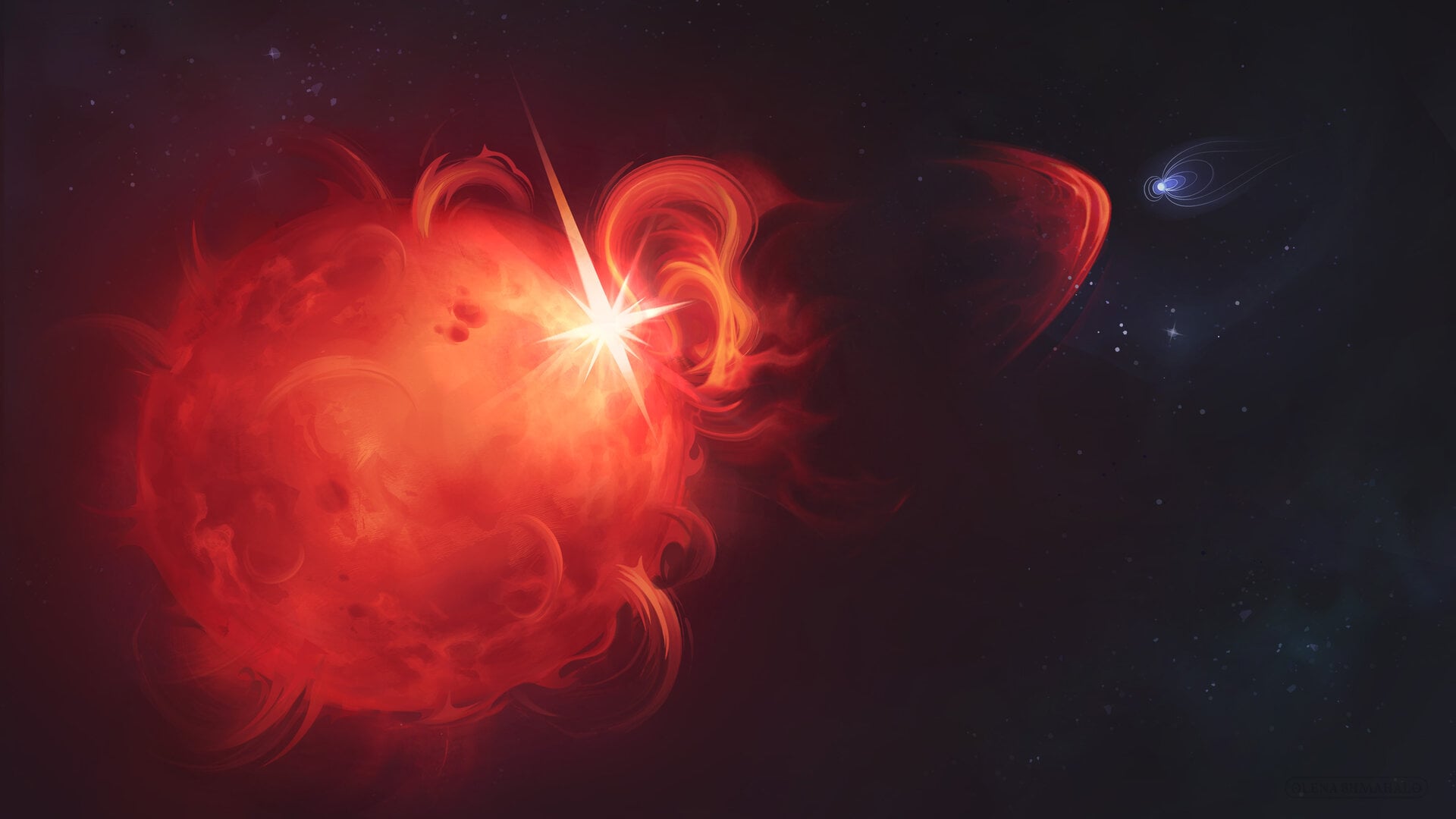
Astronomers have confirmed the first observation of a coronal mass ejection (CME) from a star other than the Sun, using ESA's XMM-Newton and LOFAR telescopes. The CME, originating from a red dwarf star 130 light-years away, was extremely fast and dense, capable of stripping away planetary atmospheres, which has significant implications for the habitability of planets orbiting active stars.

XRISM reveals unexpected speeds in cosmic wind from X-ray binary
science-and-exploration8 months ago

XRISM reveals unexpected speeds in cosmic wind from X-ray binary

The XRISM mission has discovered that the winds from a neutron star system are unexpectedly dense and slower than those from supermassive black holes, challenging current understanding of how such winds form and influence their environments. The findings suggest that differences in accretion disc temperature and size may explain the variations, providing new insights into cosmic feedback mechanisms and galaxy evolution.