science-and-exploration3.705 min read
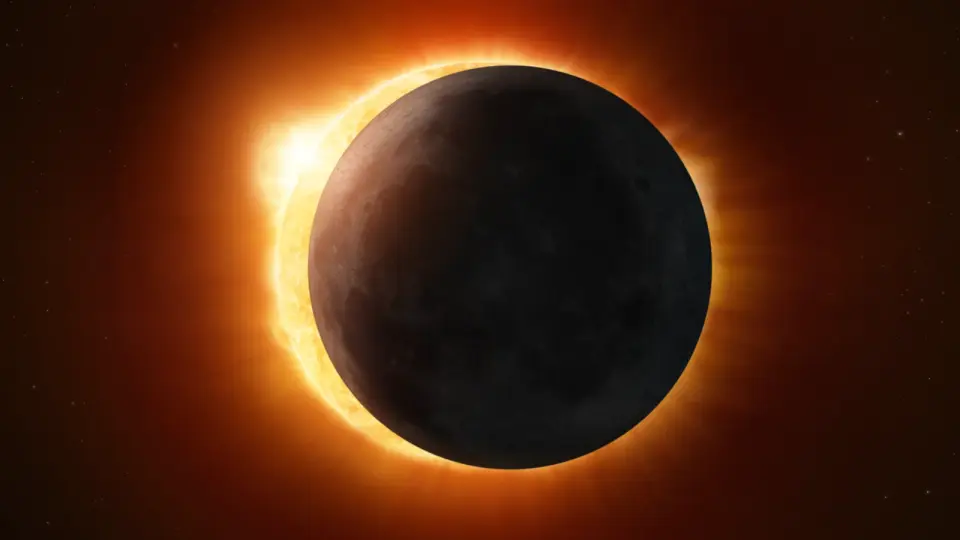
León hosts free ESA eclipse event for Europe’s total solar spectacle
2 months ago•Source: European Space Agency

The latest science and exploration stories, each synthesized from multiple sources with added background and context.
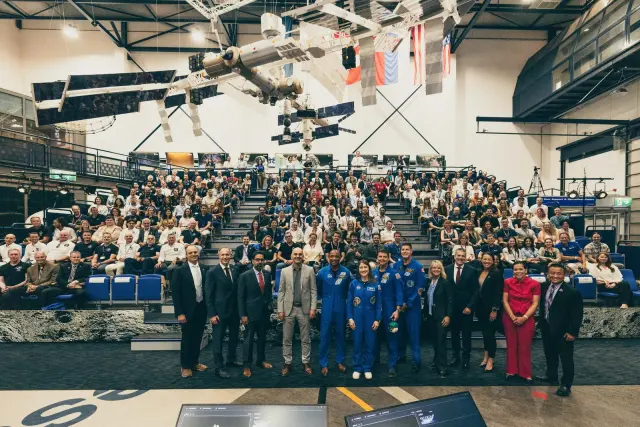
Artemis II astronauts Reid Wiseman, Victor Glover, Christina Koch, and Jeremy Hansen visited ESA’s ESTEC in the Netherlands to meet the European Service Module team, tour facilities and labs, and receive a Program Award; they will also visit Airbus in Bremen and Thales Alenia Space in Turin as part of ongoing post-flight engagements.
European Space Agency•5 months ago
European Space Agency•5 months ago
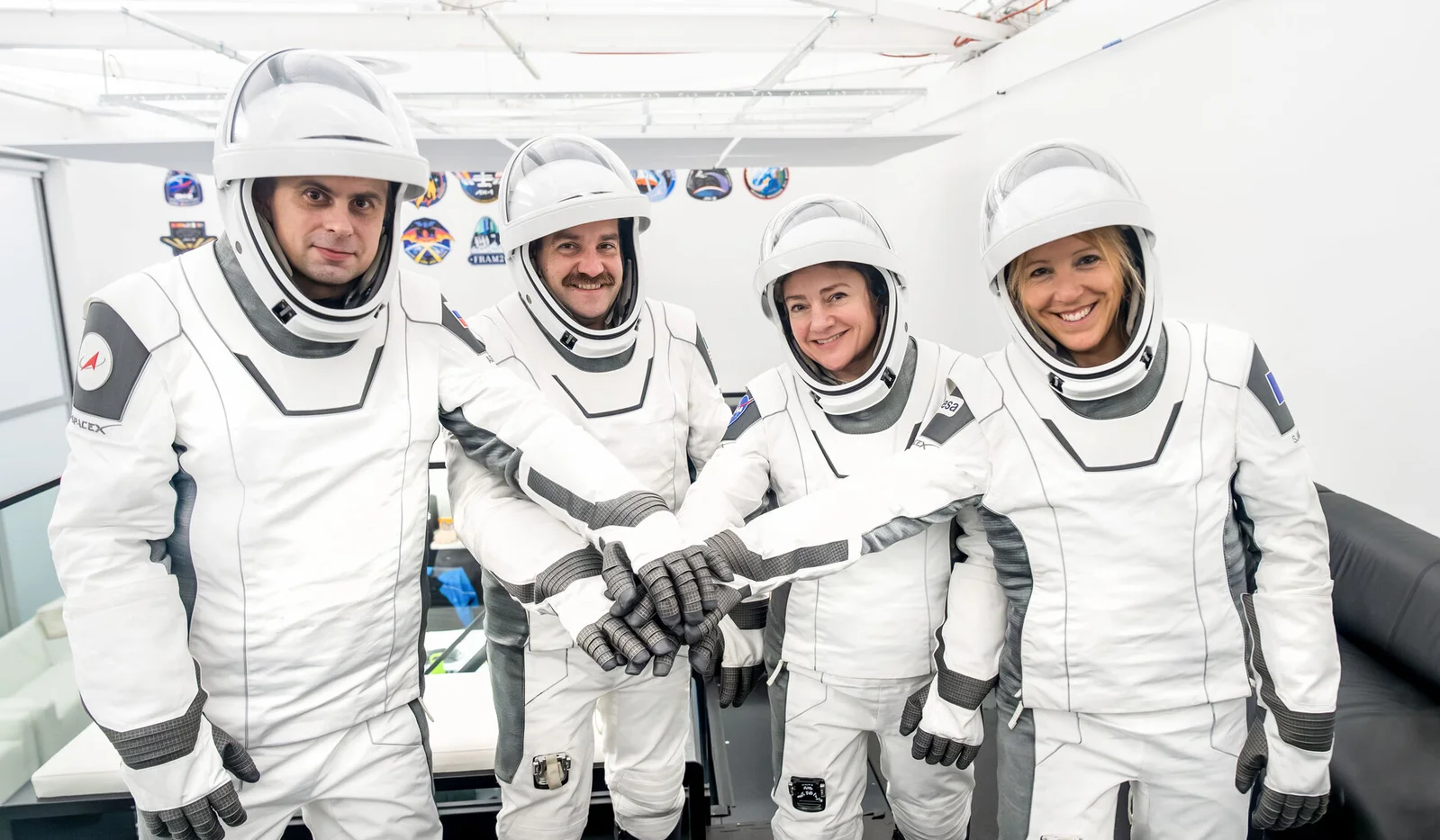
Crew-12—Andrei Fedyaev, Jack Hathaway, Jessica Meir and Sophie Adenot—are slated to launch no earlier than Feb 11 from Cape Canaveral aboard SpaceX's Dragon, propelled by a Falcon 9, to the ISS for about nine months and to join Expeditions 74/75. Adenot and Hathaway will make their first spaceflight; Meir is on her second, and Fedyaev would become the first cosmonaut to fly twice on Dragon. The quartet quarantined Jan 28 at Johnson Space Center and will move to Kennedy Space Center Feb 6; launch windows are Feb 11 with backups Feb 12–13. The εpsilon mission highlights international cooperation and science in orbit.
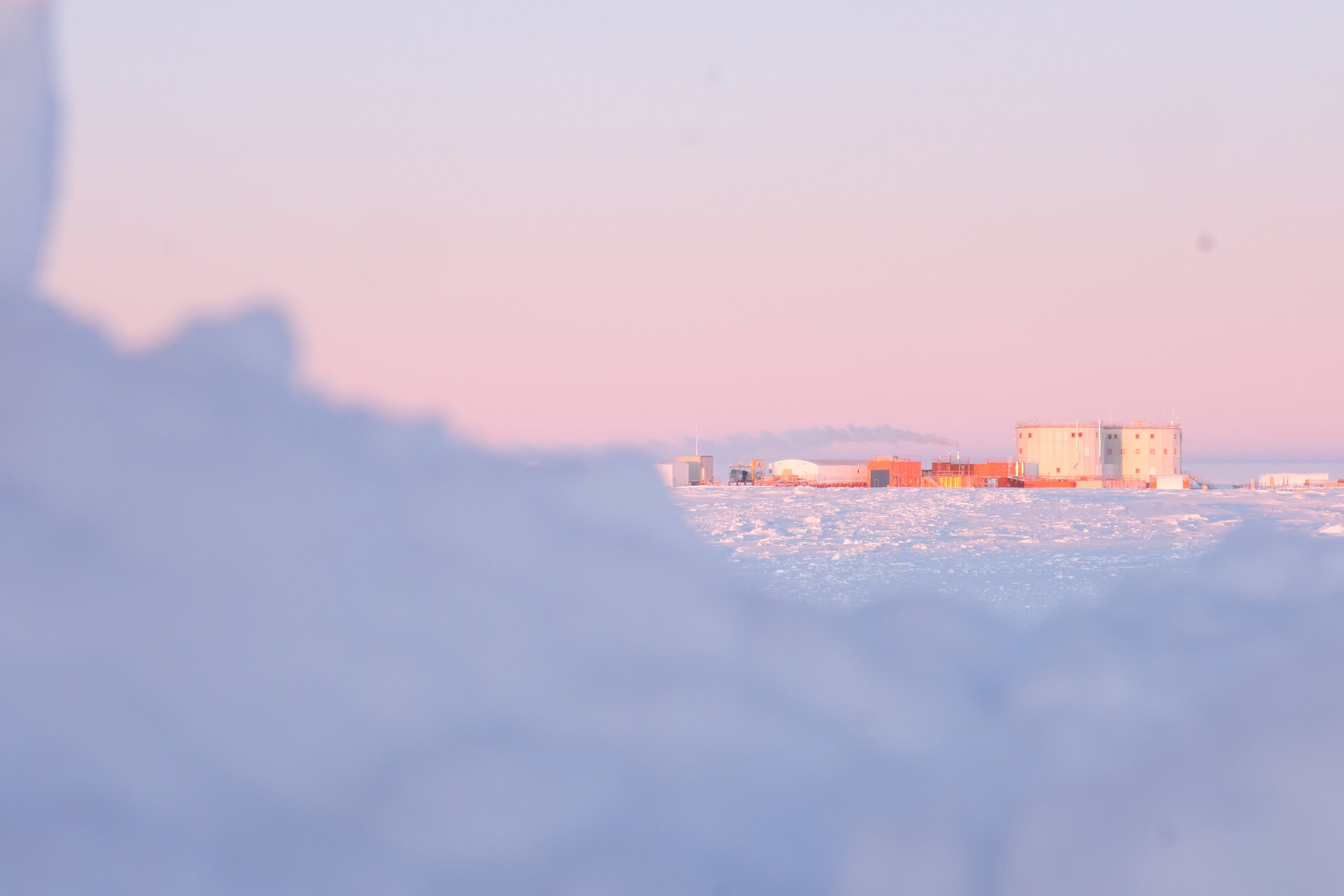
ESA has been conducting a 20-year study at Concordia station in Antarctica, where a medical doctor lives for 13 months to research the psychological and physiological effects of extreme isolation and environment, providing insights relevant to space missions beyond Earth.
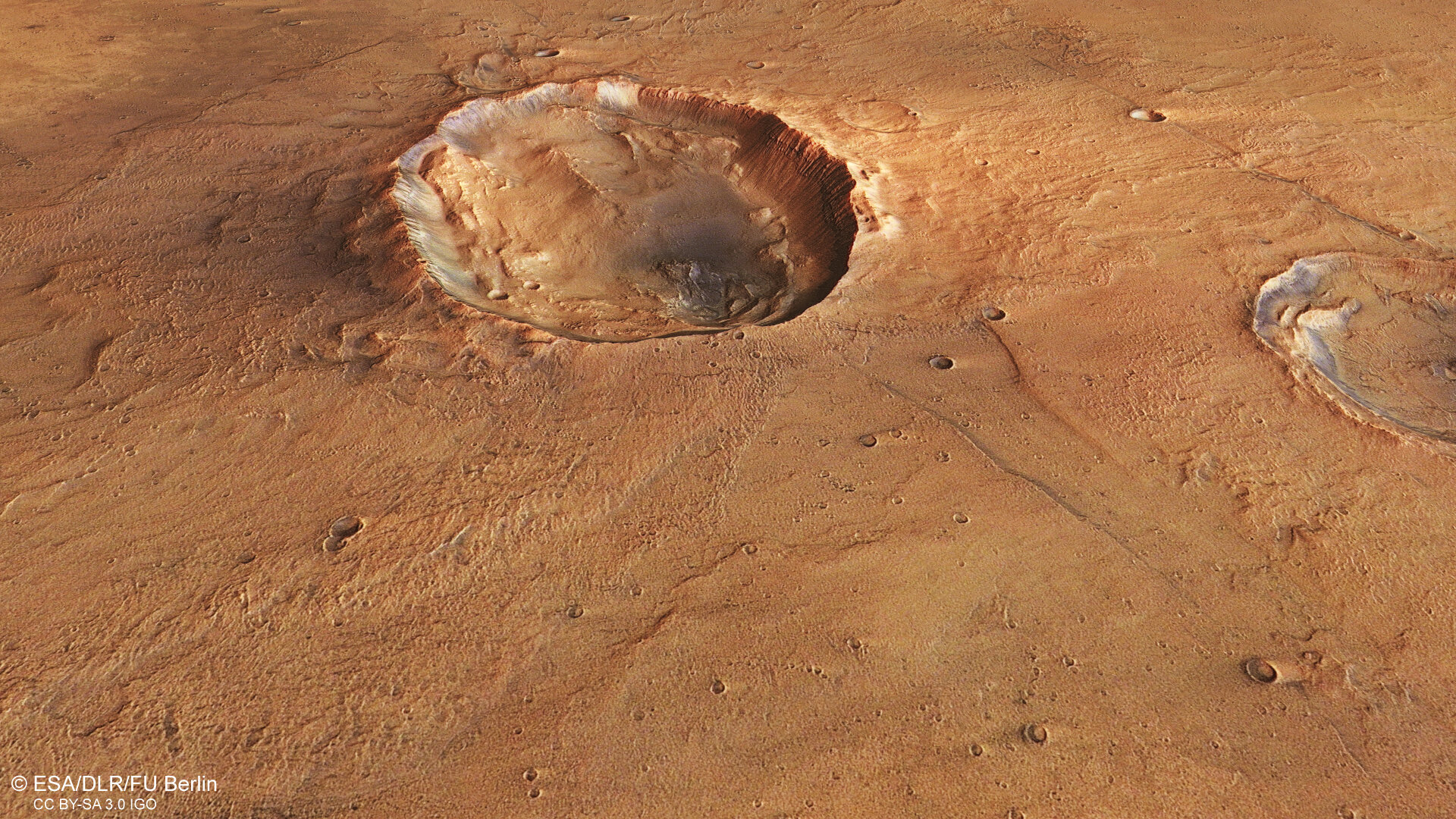
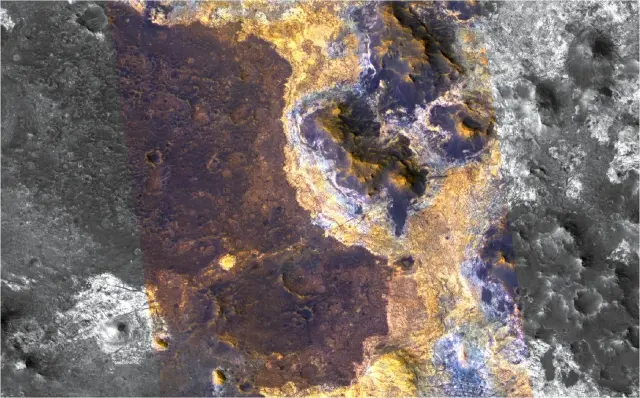
ESA's Mars Express has captured an image of a unique crater on Mars that resembles a butterfly, formed by a low-angle impact that created irregular wings and a central oval body, with evidence suggesting interaction with water or ice during formation. The region also features volcanic mesas and signs of past volcanic activity, providing insights into Mars's geological history.
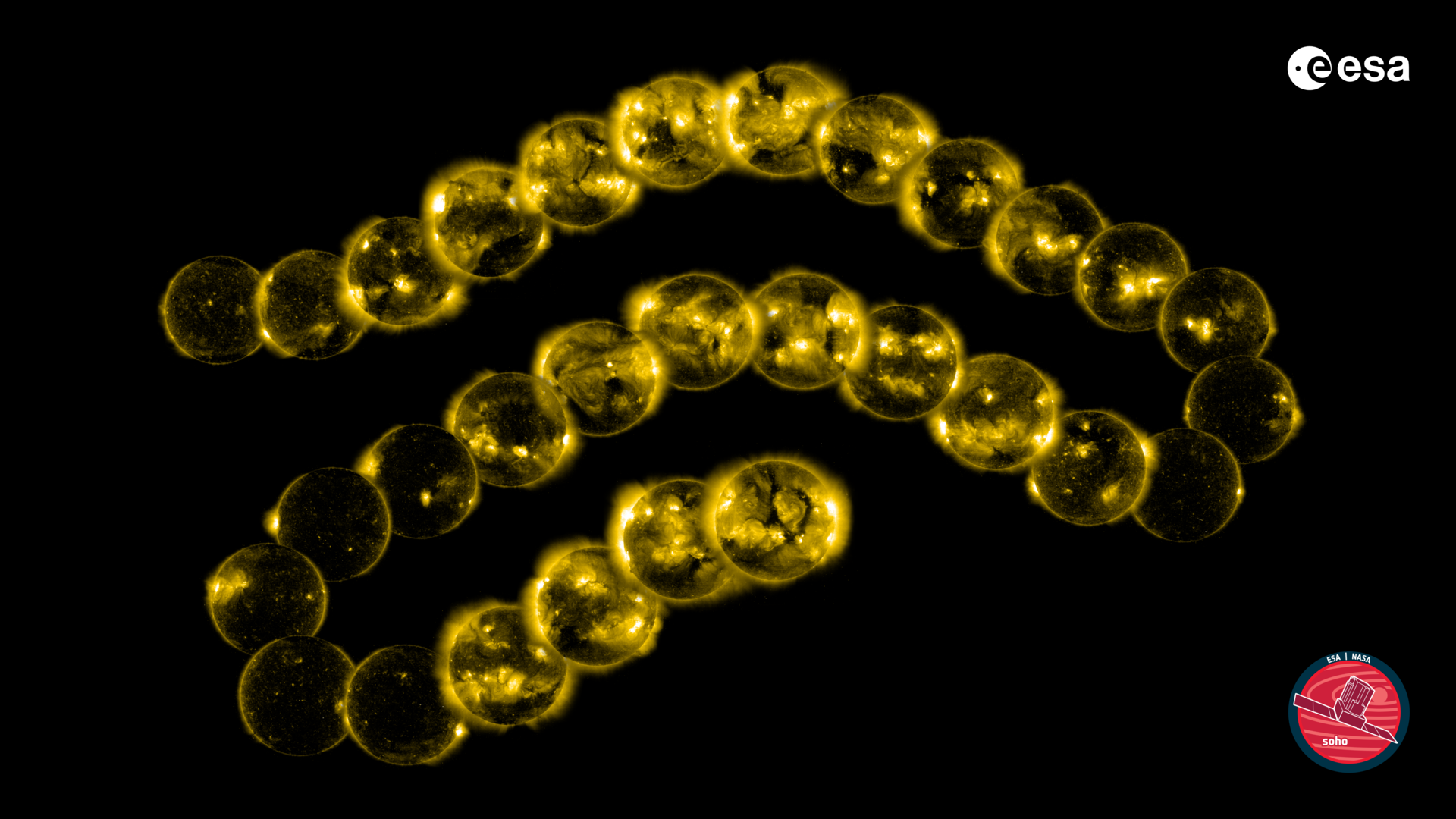
The ESA/NASA Solar and Heliospheric Observatory (SOHO) has celebrated 30 years of continuous solar observation, overcoming challenges and revolutionizing solar science, space weather monitoring, and comet discovery, while inspiring future missions and international collaboration.
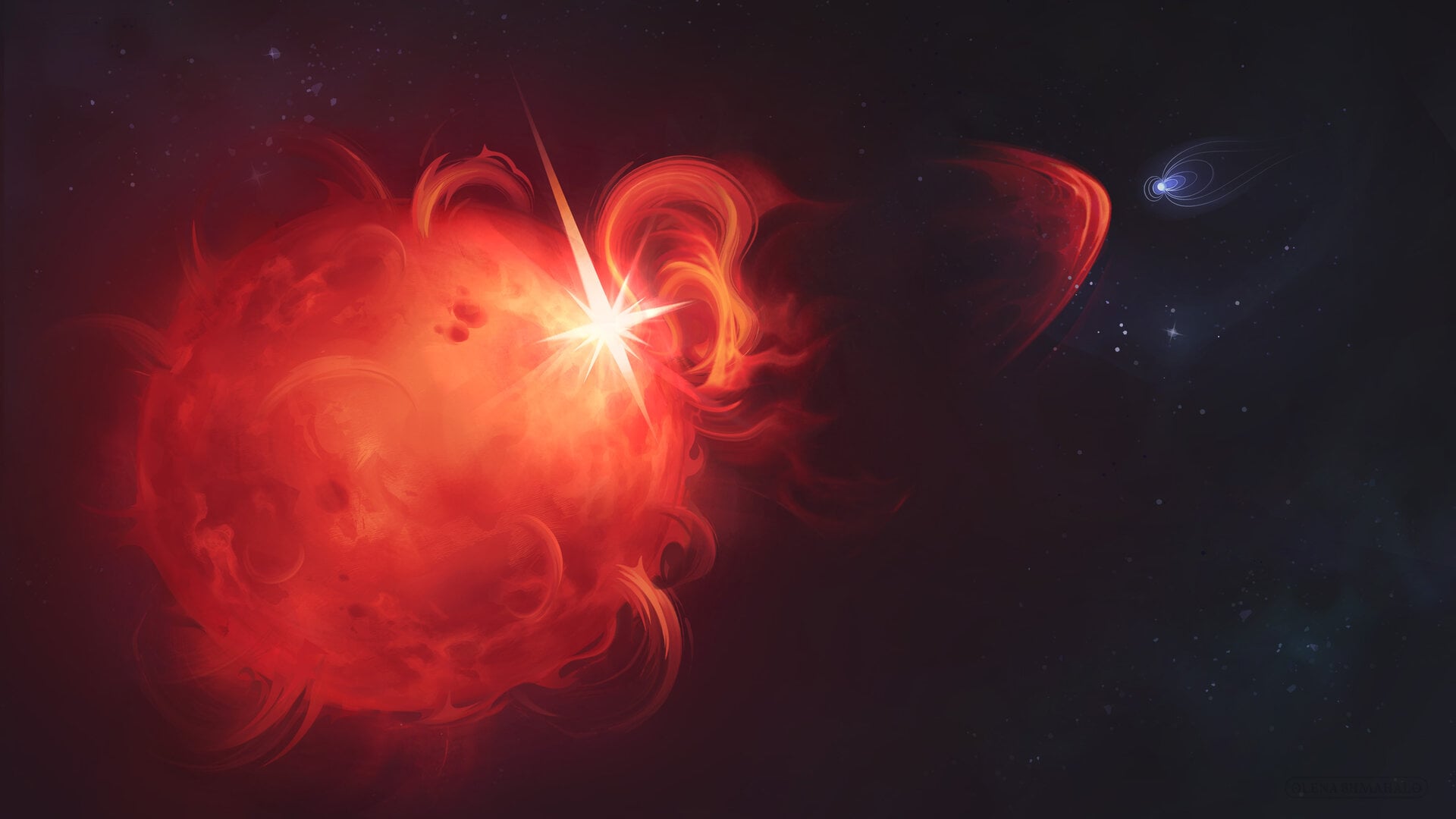
Astronomers have confirmed the first observation of a coronal mass ejection (CME) from a star other than the Sun, using ESA's XMM-Newton and LOFAR telescopes. The CME, originating from a red dwarf star 130 light-years away, was extremely fast and dense, capable of stripping away planetary atmospheres, which has significant implications for the habitability of planets orbiting active stars.
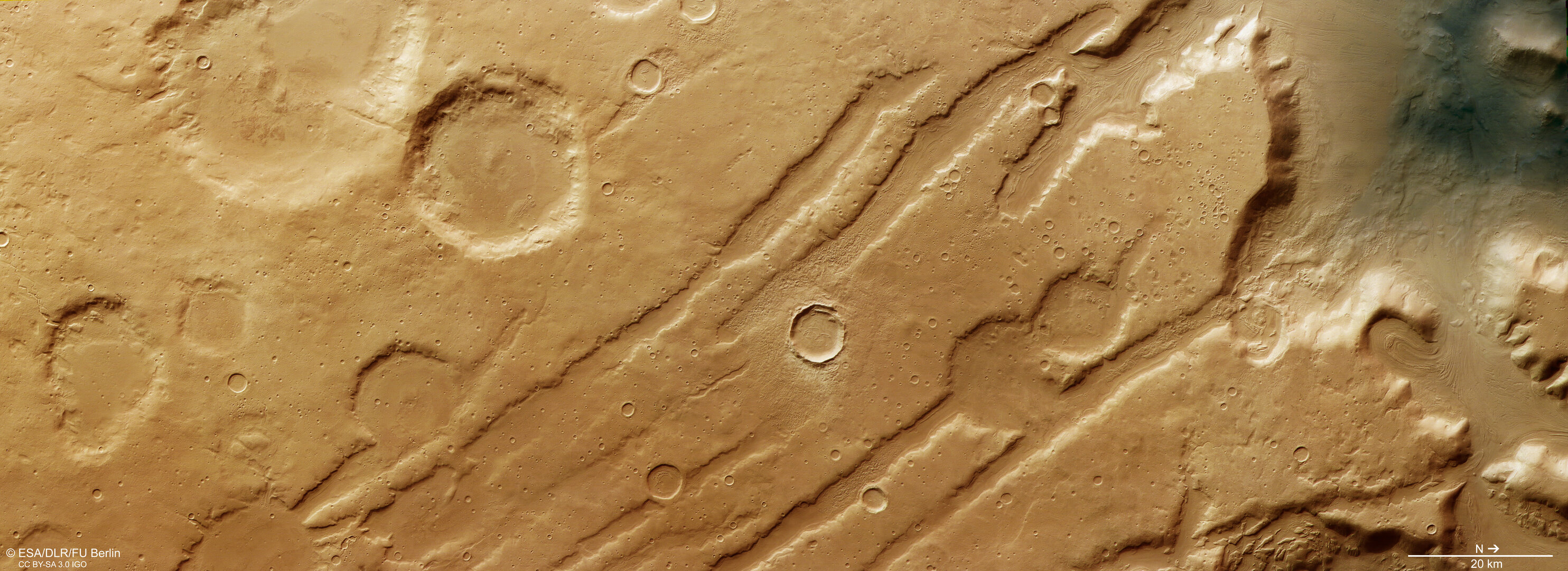
New images from ESA's Mars Express reveal signs of an ancient ice age on Mars, including glacial flow patterns and features like Coloe Fossae, indicating that the planet experienced significant climate changes and ice coverage during its history, even at mid-latitudes.
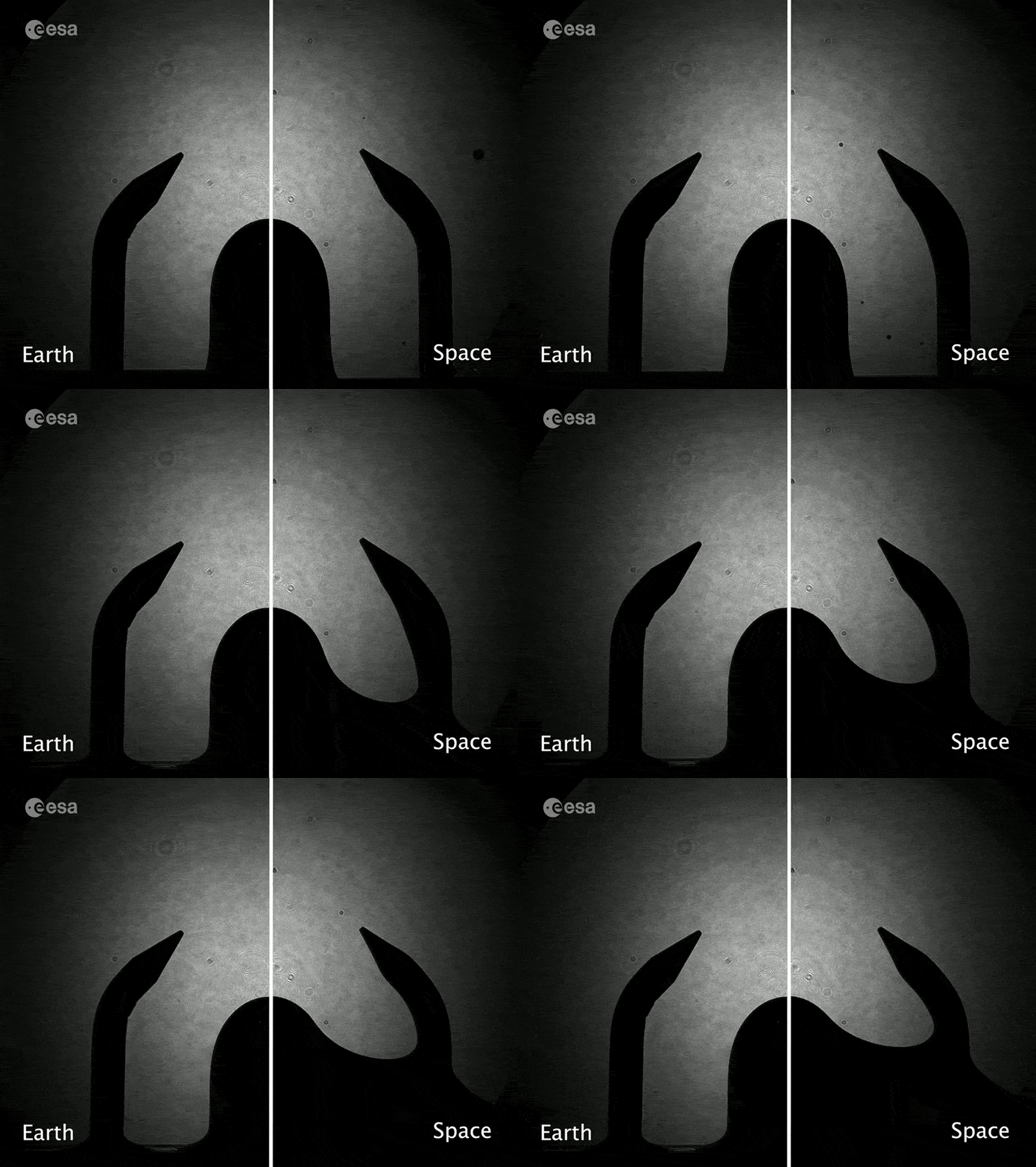
A European experiment on the ISS studies how condensation behaves in microgravity using fin-shaped metal surfaces to improve understanding of heat transfer, with potential applications in space technology and Earth-based cooling systems.
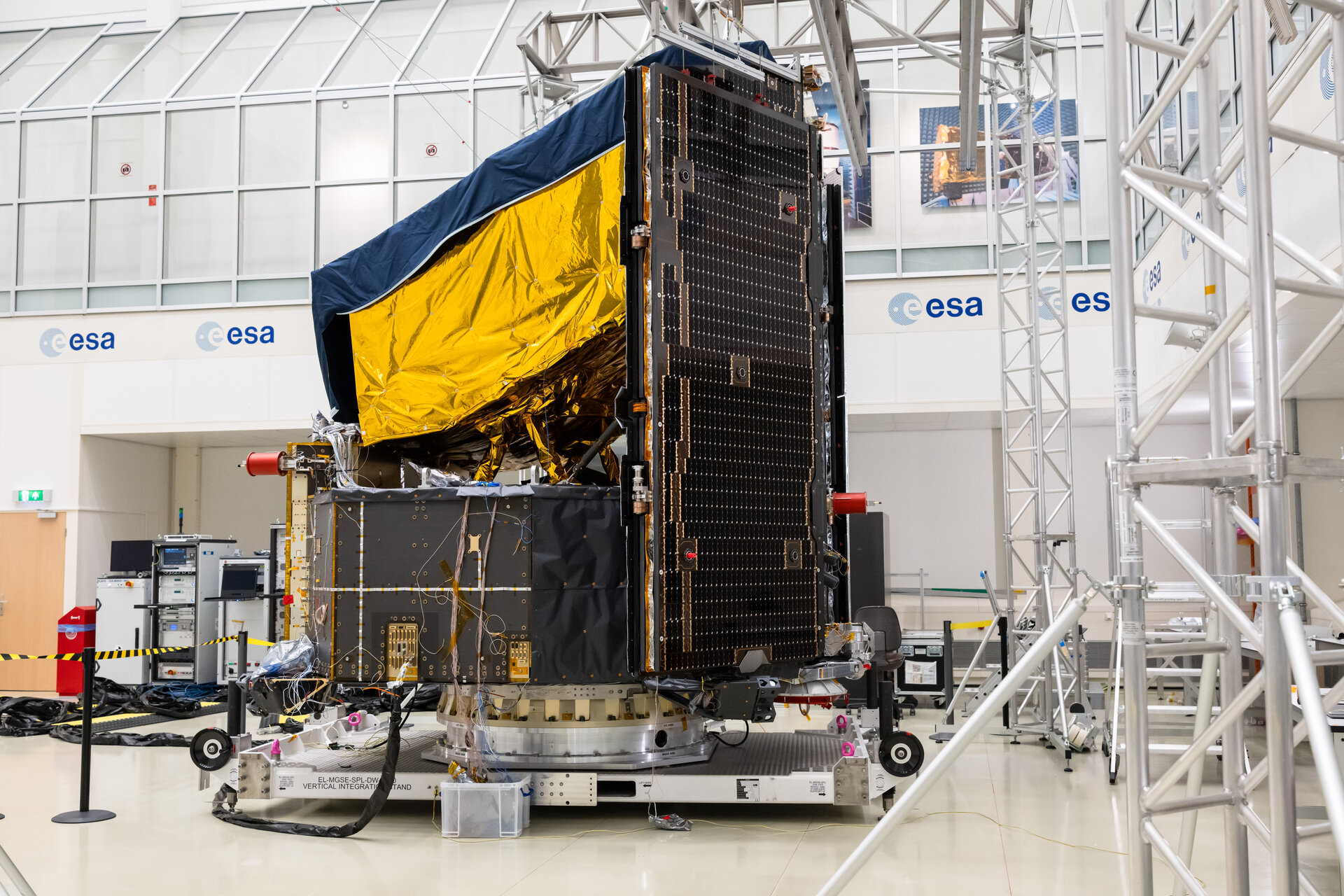
The European Space Agency's Plato spacecraft has completed its construction, including mounting its sunshield and solar panels, and is now preparing for final tests before a planned December 2026 launch to search for Earth-like exoplanets.
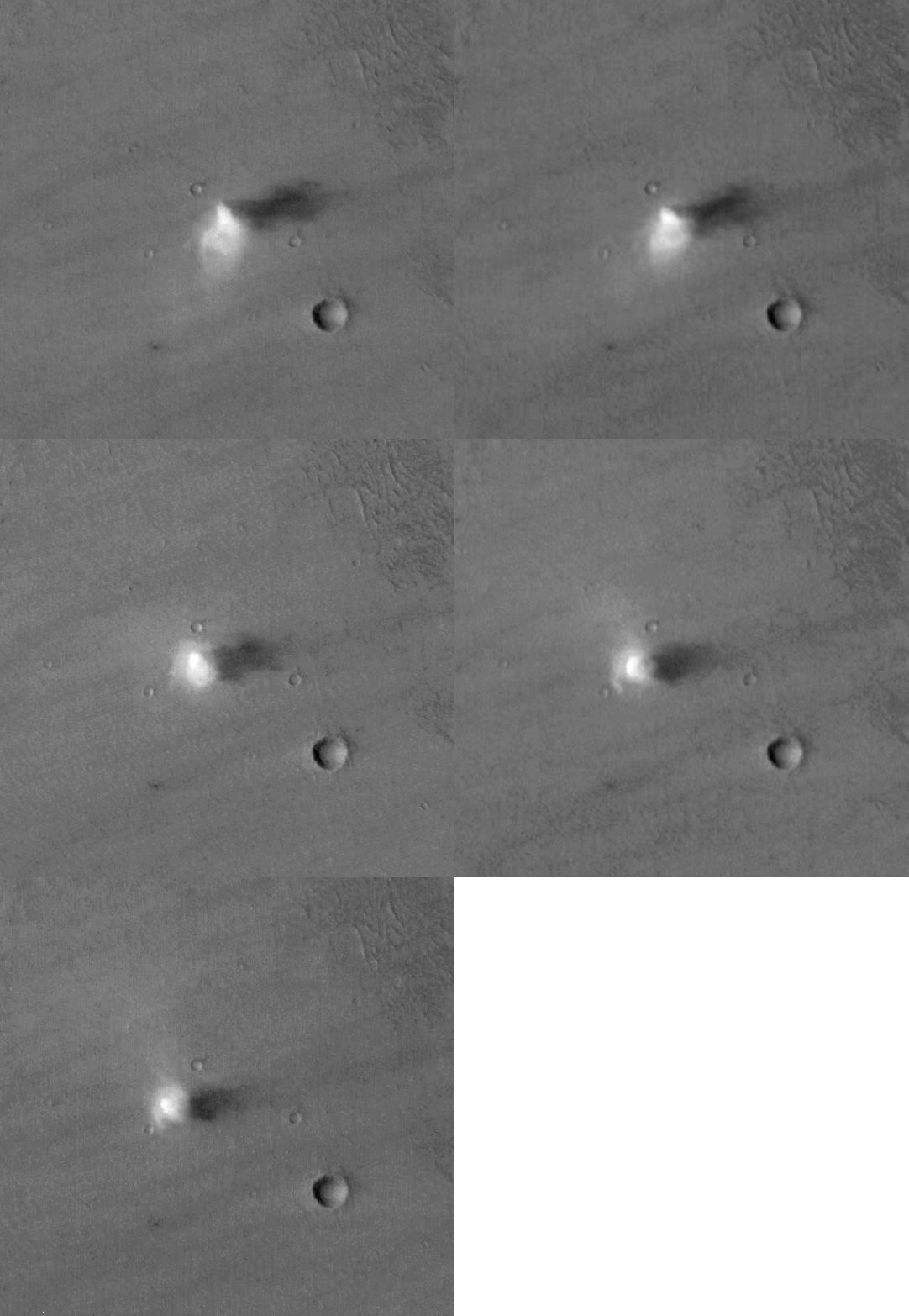
Scientists analyzed 20 years of images from ESA's Mars Express and ExoMars TGO to track 1039 dust devils on Mars, revealing that wind speeds are faster than previously thought and providing new insights into the planet's weather and climate, which will aid future missions and climate models.

Scientists analyzing data from the Cassini spacecraft have discovered complex organic molecules in the fresh ice grains ejected from Saturn's moon Enceladus, indicating active chemical reactions in its subsurface ocean that could support life, prompting plans for a dedicated ESA mission to explore the moon further.