
Global timekeepers vote to replace leap seconds with leap hours, prioritizing tech stability
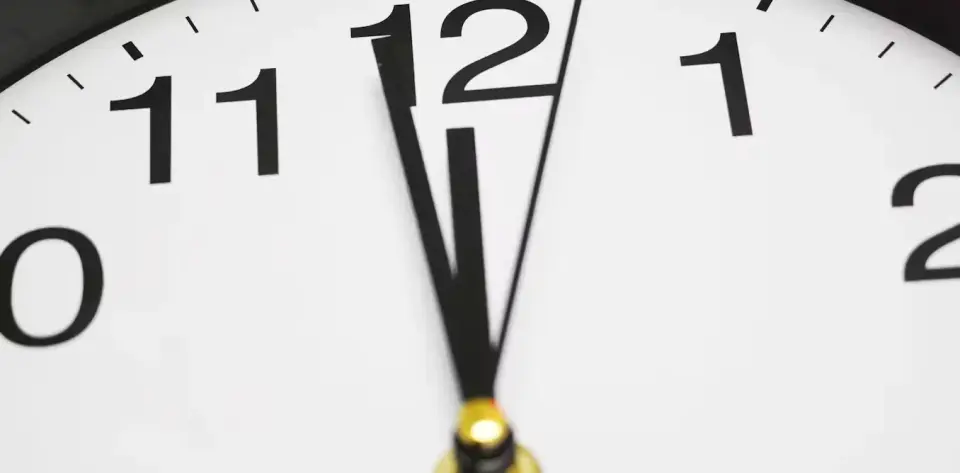
On October 15, 2026, delegates at the General Conference on Weights and Measures in Versailles voted to abolish leap seconds starting in May 2027. The decision replaces the mechanism with a 'leap hour' to prevent system crashes in financial and tech sectors, though it severs the direct link between clock time and Earth's rotation.
Key points
- Delegates from 69 countries voted to end the practice of adding leap seconds to Coordinated Universal Time (UTC) since 1972.
- The new system allows UTC to drift up to one hour from astronomical time before a correction is needed, a change unlikely to occur for thousands of years.
- The move aims to prevent disruptions in data centers, financial trading, and telecommunications caused by irregular time adjustments.
- The decision was accelerated by the risk of a 'negative' leap second, which could have caused unprecedented software failures.
- Astronomers and Earth scientists will need to adjust their methods as UTC no longer serves as a direct proxy for Earth's rotation.
Background
Our archive from October 13, 2026, noted that the International Bureau of Weights and Measures was preparing to vote on this issue, highlighting the potential for a 'leap hour' correction in over 3,000 years. The current vote finalizes that trajectory, moving the implementation date forward from the previously agreed 2035 deadline to May 20, 2027.
How outlets are covering it
The Conversation argues that the decision favors big tech companies, which previously created their own time standards to avoid leap second disruptions, while neglecting the needs of astronomers. The Guardian and Smithsonian Magazine emphasize the technical necessity of the change, citing past crashes at Reddit and LinkedIn in 2012 and the risks of untested negative leap seconds. Al Jazeera highlights the broader implications, noting that while human routines will not be affected, the gap between clock time and Earth's rotation will widen significantly over centuries, potentially affecting sunrise and sunset times by 2100. Russia had previously opposed the move due to its impact on the GLONASS satellite navigation system, but the 2027 deadline was ultimately adopted.
Why it matters
The decision resolves a decades-long debate that threatened the stability of global digital infrastructure. By eliminating leap seconds, the world ensures that critical systems in finance, telecommunications, and energy can operate without the risk of synchronization errors. However, it also marks a shift in how humanity defines time, prioritizing computational precision over astronomical alignment.
What to watch
The new timekeeping standard will take effect on May 20, 2027, World Metrology Day. Companies and institutions will need to update their systems to accommodate the new framework, ensuring that UTC can drift without requiring immediate adjustments. Astronomers will need to develop new methods to account for the growing offset between UTC and Earth's rotation.
- Experts have voted to stop adding extra seconds to clock time – the outcome favours big tech The Conversation
- How an accelerating Earth led experts to adopt the leap hour The Guardian
- It's Official: Timekeepers Have Gotten Rid of the Leap Second—and Introduced the Leap Hour Instead Smithsonian Magazine
- Clock ticking for leap second: Why timekeeping could change forever Al Jazeera
- Scientists vote to end leap seconds, redefining how the world keeps time Scientific American
Want the full story? Read the original reporting
Read on The Conversation