First Operational Nuclear Clocks Match Atomic Precision in Nature Papers
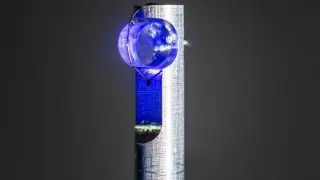
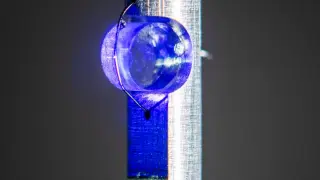
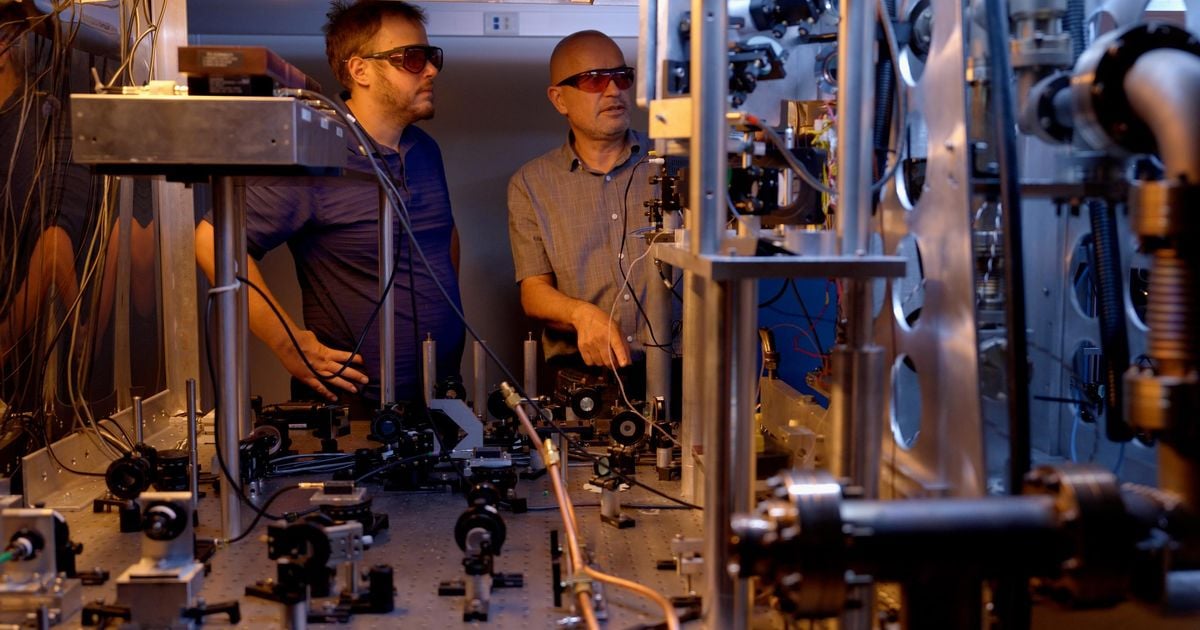
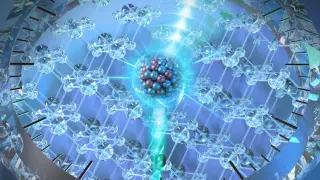
Researchers in Vienna and Beijing have demonstrated the first operational nuclear clocks, achieving precision comparable to state-of-the-art atomic clocks. These devices use thorium-229 embedded in calcium fluoride crystals, offering a more robust and compact alternative to current optical standards. The breakthroughs, published in Nature, enable new constraints on dark matter and lay the groundwork for future improvements in global timekeeping infrastructure.