
NASA Selects Revitalized Spanish Village for Global Eclipse Broadcast
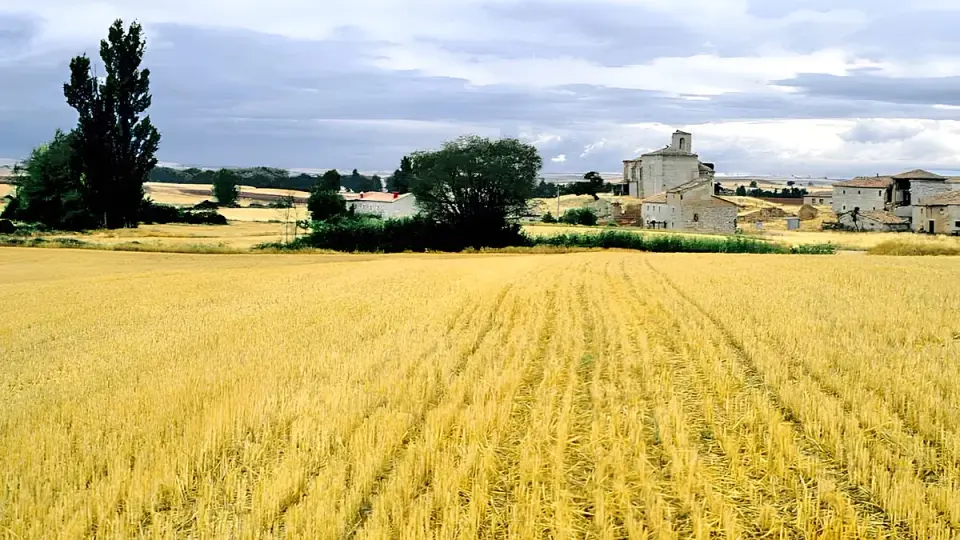
NASA has chosen Villalibado, a recently restored Spanish village in Burgos, as a primary broadcast site for the August 12, 2026, total solar eclipse. The village, which was abandoned for decades before being revived for rural tourism, will host a team of nearly 30 scientists and technicians. The event is expected to draw significant global attention, with the broadcast distributed via NASA’s digital platforms and the San Francisco Exploratorium. While Villalibado offers an unobstructed horizon and good infrastructure, other Spanish locations like Somosierra are also preparing for massive influxes of astrotourists, highlighting the logistical challenges and economic opportunities of the event.
Key points
- NASA selected Villalibado in Burgos, Spain, for its location within the path of totality, clear horizon, and existing fiber-optic infrastructure.
- The village, abandoned since 1998, was restored by businessman Juan Ansótegui and his siblings as a rural tourism complex.
- NASA spent over a year scouting locations before contacting Ansótegui, who initially suspected the request was a scam.
- The broadcast will feature live coverage, scientific experiments, and interviews, available on NASA’s platforms and the Exploratorium’s website.
- The eclipse path covers Greenland, Iceland, the Atlantic, northern Spain, part of Portugal, and northern Russia, with partial visibility across much of Europe and North America.
Background
Spain is experiencing a surge in astrotourism following a series of significant celestial events. A previous archive note highlighted Avellanosa de Muñó as another viewing hotspot for the same eclipse, emphasizing the double twilight phenomenon. Additionally, recent wildfires near Madrid disrupted NASA’s Deep Space Network, underscoring the vulnerability of critical infrastructure to climate-related events. The current eclipse is part of a trio of major events, including a 'ring of fire' eclipse in January 2028, which has prompted the Spanish government to establish a special committee to manage the influx of visitors and maximize economic benefits.
How outlets are covering it
Euronews focuses on the unique story of Villalibado’s revival and NASA’s selection process, highlighting the village’s transformation from abandonment to a global scientific hub. The Guardian emphasizes the logistical and economic impact on other Spanish villages like Somosierra, noting the strain on local resources and the potential for €342m in additional tourist revenue. Sky & Telescope provides a broader overview of viewing options, including multiple livestreams from ESA, Southern Illinois University, and other organizations, catering to those unable to attend in person. BBC focuses on the partial eclipse visible in the UK, offering safety guidelines and local viewing events, contrasting the total eclipse experience in Spain with the partial visibility in other regions.
Why it matters
The selection of Villalibado underscores the intersection of rural revitalization and global scientific events, demonstrating how infrastructure and location can transform a remote village into a focal point for international attention. The event highlights the growing trend of astrotourism, which can significantly boost local economies but also poses logistical challenges for small communities. Additionally, the coordination of multiple broadcast sources and the emphasis on safety reflect the increasing importance of accessible and accurate information in public engagement with scientific phenomena.
What to watch
The total solar eclipse will occur on August 12, 2026, with live broadcasts starting at 7:30 pm CEST. The Spanish government is expected to continue monitoring the impact of the event on tourism and infrastructure, potentially leading to further investments in astrotourism facilities. Future eclipses, including the 'ring of fire' event in January 2028, may see similar preparations and international attention, with authorities likely to implement stricter measures to manage visitor influxes and ensure safety.
- Once-abandoned Spanish village becomes NASA's eclipse hotspot Euronews.com
- Where to See the August 12th Solar Eclipse Online Sky & Telescope
- Spanish mountain village braces for astrotourists lured by total solar eclipse The Guardian
- How and When You Can Watch August's Stunning Partial Solar Eclipse From the U.K. and Ireland Time Magazine
- Where in the South to watch rare solar eclipse on Wednesday BBC
Want the full story? Read the original reporting
Read on Euronews.com