
Ancient Octopus Fossil Reclassified as Nautiloid, Redrawing Cephalopod History
TL;DR
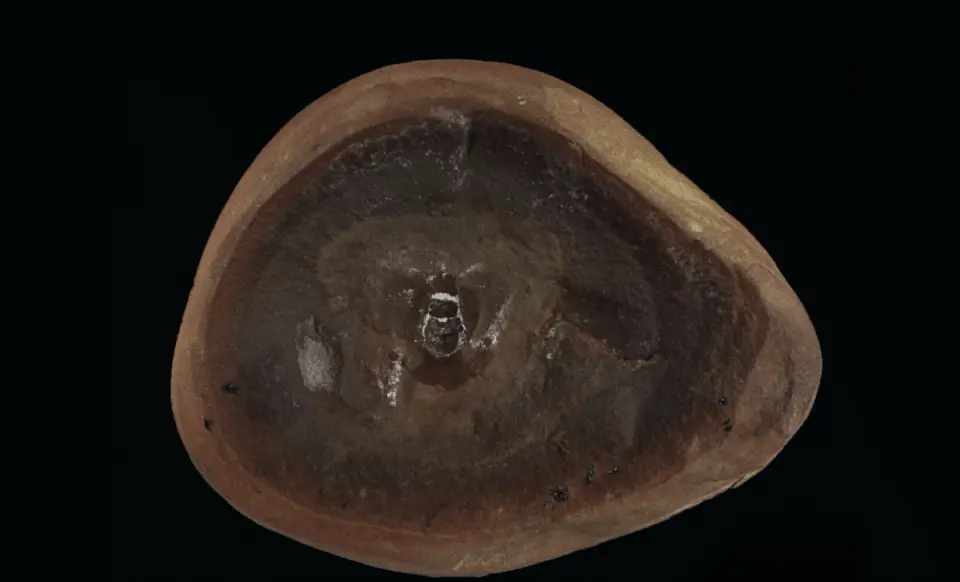
New synchrotron imaging of the 300-million-year-old fossil Pohlsepia mazonensis shows it is a nautiloid relative, not an octopus. The fossil reveals a nautilus-like radula with 11 tooth-like elements per row and other features, leading researchers to reclassify the find and push octopus origins into the Mesozoic era (late Jurassic at latest). Published in Proceedings of the Royal Society B, the study also provides the oldest soft-tissue evidence of a nautiloid, reshaping our understanding of cephalopod evolution.
Topics:top-newsscience#cephalopods#nautilus#octopus-evolution#paleontology#science#synchrotron-imaging
- 300 Million-Year-Old Fossil Thought to Be World's Oldest Octopus Turns Out to Be a Completely Different Species Indian Defence Review
- Earliest known octopus is not an octopus after all BBC
- The ‘oldest fossil octopus’ is probably another animal Science News
- This Fossil Once Rewrote Everything We Knew About Octopuses. Turns Out, It's Not An Octopus At All IFLScience
- Museum display found to be entirely new species after 26 years: 'Difficult to decipher' Yahoo News Australia
Want the full story? Read the original reporting
Read on Indian Defence Review