Tag

Synchrotron Imaging

All articles tagged with #synchrotron imaging

Ancient fossil labeled oldest octopus debunked: a nautiloid, not an octopus
science1 day ago

Ancient fossil labeled oldest octopus debunked: a nautiloid, not an octopus

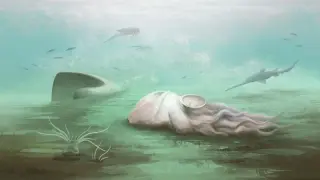
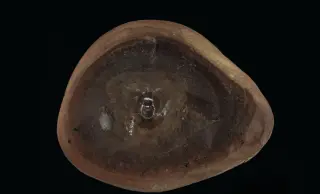
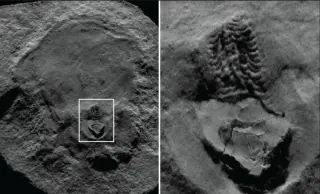
A 300-million-year-old fossil once hailed as the world’s oldest octopus has been reclassified as a nautiloid after new analyses, including synchrotron imaging and detailed geochemistry. The researchers found a radula with many rows of teeth inconsistent with octopuses, explaining why the fossil looked octopus-like as it decomposed. Discovered at the Mazon Creek site near Chicago, Pohlsepia mazonensis’ true identity underscores how advanced technologies are reshaping paleontology by revealing hidden anatomy that old methods missed.

New imaging rewrites 'oldest octopus' claim: fossil is a nautiloid relative
science2 days ago

New imaging rewrites 'oldest octopus' claim: fossil is a nautiloid relative

A 328-million-year-old fossil once hailed as the oldest octopus, Pohlsepia mazonensis, has been reclassified after researchers used cutting-edge techniques including synchrotron imaging to uncover features inconsistent with octopuses (such as multiple radula teeth). The findings show it is actually a decomposed nautiloid, a relative of modern nautiluses, highlighting how new technologies are advancing paleontology and revising our view of ancient cephalopods.

Ancient Octopus Fossil Reclassified as Nautiloid, Redrawing Cephalopod History
science2 days ago

Ancient Octopus Fossil Reclassified as Nautiloid, Redrawing Cephalopod History

New synchrotron imaging of the 300-million-year-old fossil Pohlsepia mazonensis shows it is a nautiloid relative, not an octopus. The fossil reveals a nautilus-like radula with 11 tooth-like elements per row and other features, leading researchers to reclassify the find and push octopus origins into the Mesozoic era (late Jurassic at latest). Published in Proceedings of the Royal Society B, the study also provides the oldest soft-tissue evidence of a nautiloid, reshaping our understanding of cephalopod evolution.