
Chernobyl’s wildlife: thriving in a changed landscape with unresolved radiation effects
TL;DR
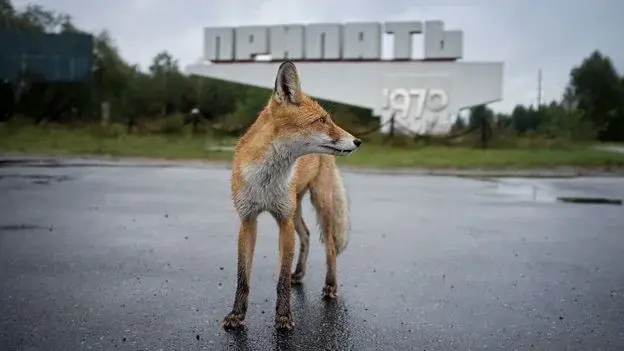
Forty years after the disaster, wildlife around the Chernobyl exclusion zone shows a mix of thriving populations and unusual traits. Some species have benefited from reduced human activity and habitat changes, while others exhibit notable features (e.g., darker tree frogs, altered forests, more wolves and bears). Scientists debate whether these changes are direct radiation adaptations or the result of environmental shifts and other factors, including transgenerational mutations and climate stress.
- Surviving in a poisoned land: Chernobyl's wildlife is different, but not in the ways you might think BBC
- 40 Years After the Meltdown, War Layers Another Disaster on Chernobyl The New York Times
- Ukrainians thought they had reduced the risks at Chernobyl. Then Russia invaded AP News
- 40 years after Chernobyl, war brings new rounds of disaster and displacement The Washington Post
- Nature reclaims Chernobyl after nuclear disaster DW.com
Want the full story? Read the original reporting
Read on BBC