
DNA from Ancient Siberian Graves Reveals Earliest Plague Outbreaks
TL;DR
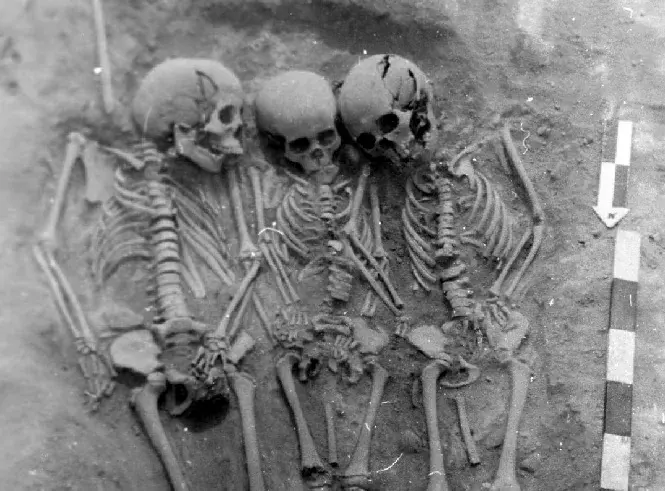
Ancient DNA from teeth of 46 hunter-gatherers buried near Lake Baikal, Siberia, shows fragments of Yersinia pestis in more than one-third, marking two outbreaks beginning about 5,500 years ago—the oldest known plague. This challenges the view that mass disease outbreaks began with agriculture and suggests plague circulated in hunter-gatherer communities, possibly spreading via marmots.
Topics:top-newsscience#archaeology-and-anthropology#disease-outbreaks#epidemics#infectious-diseases#plague#science
- Ancient graves held a grim mystery. DNA revealed the oldest known plague outbreaks. The Washington Post
- Lethal plague outbreaks in Lake Baikal hunter-gatherers 5,500 years ago Nature
- Hunter-gatherer cemeteries reveal an ancient plague’s earliest known victims CNN
- New evidence of origin of the black death a ‘complete surprise’ experts say Global News
- Ancient DNA is rewriting the history of plague The Economist
Want the full story? Read the original reporting
Read on The Washington Post