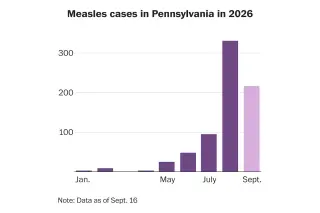
117 new measles cases were reported in Pennsylvania over the past week, bringing the outbreak total to 731 cases across 38 counties since it began in late April, according to the state Health Department.
Rabies cases in the United States rose 17% between July and August compared with the same period a year earlier, driven by high-profile outbreaks and exposure events, including rabid beavers in Maryland and baby goats testing positive at a North Carolina zoo. The CDC reported increased post-exposure treatment activity and some errors in administering treatment. Rabies remains nearly always fatal if not treated promptly; vaccines after exposure prevent disease. Annually about 1.4 million Americans seek medical care after suspected rabies exposure and about 100,000 receive post-exposure treatment, with fewer than 10 deaths per year.
Federal officials are poised to announce the end of the United States’ largest cyclosporiasis outbreak, which sickened thousands after people ate shredded iceberg lettuce sourced from central Mexico, marking a turning point in ongoing federal health investigations led by the FDA and CDC.
A Lancaster County coroner confirmed a 6-week-old Amish infant died at home from measles in August, the first child death attributed to the county’s current outbreak. State officials had previously announced two measles deaths, and public health leaders say the outbreak is among the nation’s largest this year, underscoring the seriousness of measles and its potential for severe respiratory illness.
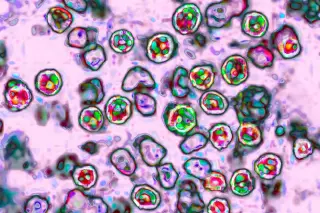
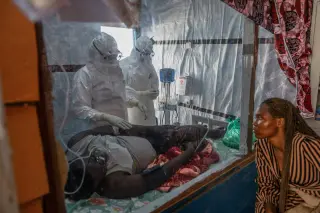
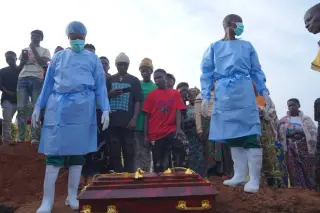
The Ebola outbreak in the Democratic Republic of Congo continues at a dangerous pace, with more than 3,000 deaths and about 6,100 confirmed cases, and shows no signs of slowing as health authorities, including the WHO, sustain vaccination, surveillance, and containment efforts.
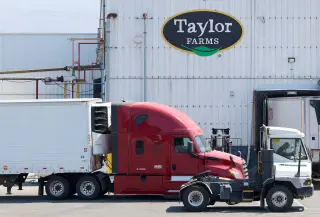
The CDC has expanded the multistate cyclospora outbreak linked to iceberg lettuce from Taylor Farms de Mexico to 20 states, adding Georgia, Tennessee and Texas. A total of 11,458 illnesses have been linked to the outbreak, with 495 hospitalizations and two deaths (both in Michigan). Most illnesses occurred before the July 17 recall removed central‑Mexico-sourced lettuce, and the recalled product’s best‑by dates have passed, so it should no longer be in stores or restaurants. The state additions may reflect a lag in linking cases (roughly six weeks). Nationally, about 17,180 cyclospora illnesses have been reported in the U.S. for cases not tied to the lettuce outbreak, and other related outbreaks are still under investigation.
The Ebola outbreak in the Democratic Republic of Congo is accelerating toward what could become the worst on record, with doctors and aid groups warning that funding shortfalls and rampant misinformation are hampering the response and risking more lives without increased international support.
In the Democratic Republic of Congo, an Ebola outbreak has produced one of its deadliest weeks, with more than 300 deaths reported in seven days; investigators say the virus may have been spreading in Mongbwalu as early as February, months before officials declared the outbreak on May 15, and response efforts including vaccinations and medical care are ramping up to contain it.
The Democratic Republic of Congo’s Ebola outbreak has reached 5,000 confirmed cases, a majority of which are linked to hard‑to‑reach areas, with NGOs and health authorities racing to scale vaccination, surveillance and treatment as the response struggles to keep pace.
The Democratic Republic of Congo says about 2,000 people have died in its Ebola outbreak, marking the fastest-growing Ebola crisis on record as health officials race to contain transmission across the country.
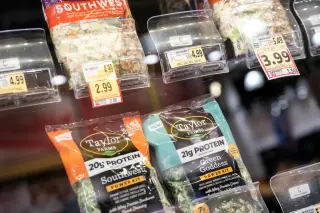
Taylor Farms is recalling a broad range of ready-to-eat products that contain jalapeños because of a multistate salmonella outbreak tied to jalapeño peppers grown in Mexico; the recall covers dips, salsa and guacamole and comes as a separate iceberg lettuce recall linked to cyclospora is noted, with consumers advised to check recall notices and discard any affected products.
Hundreds of people in 27 states have fallen ill in a salmonella outbreak linked to jalapeño peppers; Chipotle and Qdoba have removed the peppers, and the CDC says the clusters are no longer considered an ongoing risk.
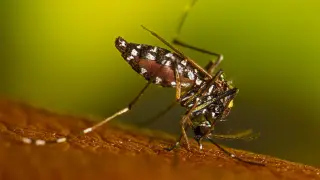
Virginia health officials announced the state’s first locally acquired dengue case, in a resident with no travel outside Virginia who was likely bitten by a mosquito that had earlier bitten an infected traveler; officials say there is no evidence of ongoing transmission or additional locally acquired cases at this time.
The CDC has expanded the largest U.S. cyclosporiasis outbreak to 15 states, linking illnesses to shredded iceberg lettuce from central Mexico and noting ties to Taco Bell; Missouri reported a dramatic rise in cases, Michigan has two related deaths, Taylor Farms recalled the lettuce on July 17, and officials caution that the true case count may be higher and the outbreak could extend to more states.
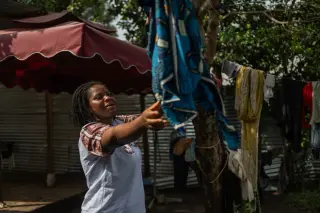
As the Ebola outbreak unfolds in the Democratic Republic of Congo, fear and stigma are causing pregnant women to avoid hospitals, leading to higher maternal deaths. Health officials and aid groups say maintaining access to safe obstetric care and clear public information is critical to prevent more fatalities.