
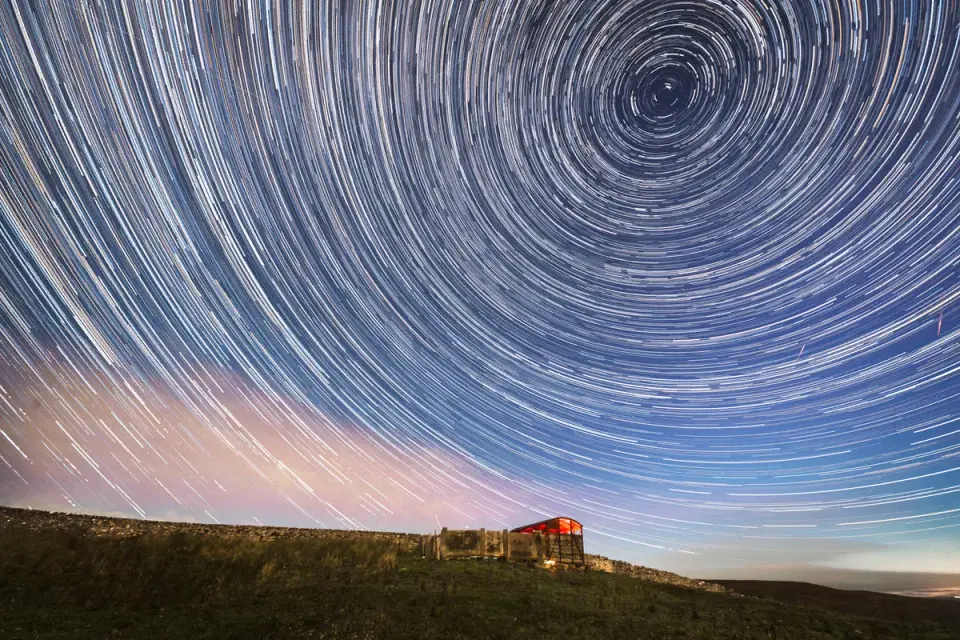
Perseid fireballs meet a solar eclipse for a skywatching spectacle
TL;DR
The Perseids meteor shower, debris from comet Swift-Tuttle, could produce 50–100 bright meteors per hour under ideal skies and will coincide with a solar eclipse this August. A new Moon means darker skies for better viewing, with the best chance to see meteors after dusk toward Perseus in the northern sky. In the UK, eclipse timings range from about 6:08 pm to 8:10 pm local time, with maximum around 7:05–7:15 pm; viewers are advised to use eclipse glasses for safety.
- The stunning fireball Perseid meteor shower twinning with the solar eclipse The Independent
- Utah might miss the "biggest stargazing night of 2026" Axios
- Will Perseid shooting stars be visible during the Aug. 12 total solar eclipse? space.com
- Hundreds of meteors will soon paint the sky: peak hours & where to watch in Oregon KATU
- Perseid meteor shower reaches peak: When and where to catch a glimpse bbc.com
Want the full story? Read the original reporting
Read on The Independent