Tag

Debris

All articles tagged with #debris

Perseid fireballs meet a solar eclipse for a skywatching spectacle
space14 days ago

Perseid fireballs meet a solar eclipse for a skywatching spectacle

The Perseids meteor shower, debris from comet Swift-Tuttle, could produce 50–100 bright meteors per hour under ideal skies and will coincide with a solar eclipse this August. A new Moon means darker skies for better viewing, with the best chance to see meteors after dusk toward Perseus in the northern sky. In the UK, eclipse timings range from about 6:08 pm to 8:10 pm local time, with maximum around 7:05–7:15 pm; viewers are advised to use eclipse glasses for safety.

SpaceX Falcon 9 Debris Strikes the Moon, Creating a New Crater
space20 days ago

SpaceX Falcon 9 Debris Strikes the Moon, Creating a New Crater

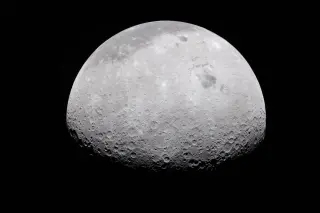
A four-tonne chunk of SpaceX Falcon 9 second-stage debris crash-landed on the Moon near Einstein Crater, creating a new crater at roughly 8,700 km/h. Orbital observers and NASA’s LRO, along with South Korea’s Danuri, will document the site to study high-velocity cosmic impacts and ejecta; this marks only the second known Moon impact from discarded rocket hardware, highlighting growing concerns about space debris and orbital crowding.

SpaceX upper stage to crash into the Moon, possibly creating a fleeting Earth-visible plume
space21 days ago

SpaceX upper stage to crash into the Moon, possibly creating a fleeting Earth-visible plume

A discarded SpaceX Falcon 9 upper stage (about 8,000 pounds) is on a collision course with the Moon, hitting near Einstein Crater around 2:35 a.m. EDT on Aug. 5, 2026. The impact itself is unlikely to be visible from Earth, but a brief ejecta plume could rise above the lunar surface and be detectable with large telescopes under favorable conditions. South American observers may have an easier viewing angle, while Danuri in lunar orbit and NASA’s Lunar Reconnaissance Orbiter will observe and photograph the site to study crater formation and debris hazards.

Moonbound SpaceX stage to collide with Moon, a test of lunar debris hazards
science21 days ago

Moonbound SpaceX stage to collide with Moon, a test of lunar debris hazards

An 8,800-pound Falcon 9 upper stage from SpaceX’s January 2025 moon mission will slam into the Moon on Aug. 5, 2026 after spending over a year in a high-Earth, moon-crossing orbit; solar activity and gravity nudged it toward a lunar impact, which should create a crater about 89 feet (27 meters) wide on the sunlit side. The event isn’t expected to be visible from most of Earth, but scientists will use it to test methods for locating impact ejecta and assessing hazards to future lunar infrastructure, and NASA and SpaceX are exploring disposal options to minimize similar debris in the future.

SpaceX debris to slam into the Moon at 5,400 mph, NASA and observers track the impact
science22 days ago

SpaceX debris to slam into the Moon at 5,400 mph, NASA and observers track the impact

A used SpaceX upper stage that delivered two lunar landers in 2025 is set to crash into the Moon at about 5,400 mph (8,690 km/h), an event NASA’s Lunar Reconnaissance Orbiter and South Korea’s Danuri will observe. The impact is expected to release energy of roughly three tons of TNT and could eject material visible from telescopes. Scientists will study the debris effects to gauge hazards for future lunar missions, highlighting space-debris management amid the ongoing race to return humans to the Moon.

Falcon 9 Debris Predicted to Impact Moon Near Einstein Crater This August
science3 months ago

Falcon 9 Debris Predicted to Impact Moon Near Einstein Crater This August

An independent astronomer predicts a 45-foot upper stage from SpaceX’s January 2025 Falcon 9 mission (object 2025-010D) will crash into the Moon on August 5, 2026, near the Einstein crater on the Moon’s western limb at about 5,400 mph. The impact won’t be visible from Earth, but scientists may study the resulting crater with lunar orbiters like the Lunar Reconnaissance Orbiter. The object has been in a long looping Earth orbit, with solar radiation pressure complicating precise plotting. This would be one of several artificial impacts on the Moon’s surface dating back to the Apollo era.

Debris from Mandarin Oriental Implosion Strikes Miami Condo Lobby, Residents Fear for Safety
local4 months ago

Debris from Mandarin Oriental Implosion Strikes Miami Condo Lobby, Residents Fear for Safety

Video shows debris from the Mandarin Oriental implosion in Miami smashing into a nearby condo lobby, shattering glass and coating the building in dust, prompting six-figure cleanup costs and safety concerns from residents as a new hotel-residence project moves forward; the demolition company says the implosion was completed with minor damage addressed and city officials have not yet commented.

Fragile Orbits: Could a Debris Cascade Spin Out of Control?
space4 months ago

Fragile Orbits: Could a Debris Cascade Spin Out of Control?

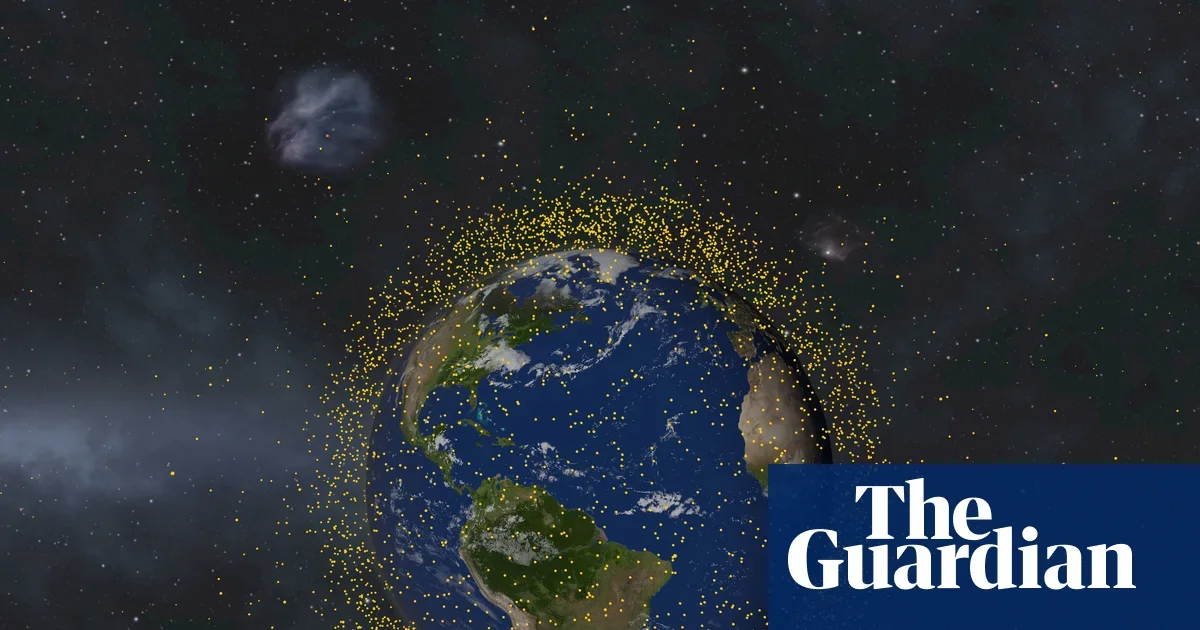
The Guardian piece explains Earth’s orbit is now a crowded, evolving space: about 32,000 objects are currently tracked, with private mega‑constellations like Starlink driving a rapid rise in satellites and debris. Projections suggest as many as 60,000 active satellites by the end of the decade. A collision cascade—where one crash produces fragments that collide with more satellites—could rapidly worsen conditions, potentially making launches dangerous and the orbital environment unsustainable. Experts like Jonathan McDowell warn the system is fragile and hinges on continuous cooperation; deorbiting, nets, lasers and stronger space governance are being explored to avert a debris catastrophe.

Starlink satellite loses contact after anomaly; debris due for atmospheric burn
science4 months ago

Starlink satellite loses contact after anomaly; debris due for atmospheric burn

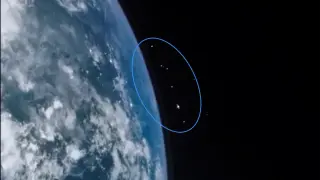
SpaceX says it lost contact with Starlink satellite 34343 after an anomaly; space-tracking company LeoLabs reported tens of nearby objects. SpaceX notes no new risk to the ISS or Artemis II and will monitor trackable debris as the satellite and fragments are expected to burn up in the atmosphere within a few weeks. The incident follows a similar December event in crowded low-Earth orbit (~560 km) as SpaceX pursues FCC licensing for up to a million satellites.