
Rocky habitable-zone world reveals an atmosphere for the first time
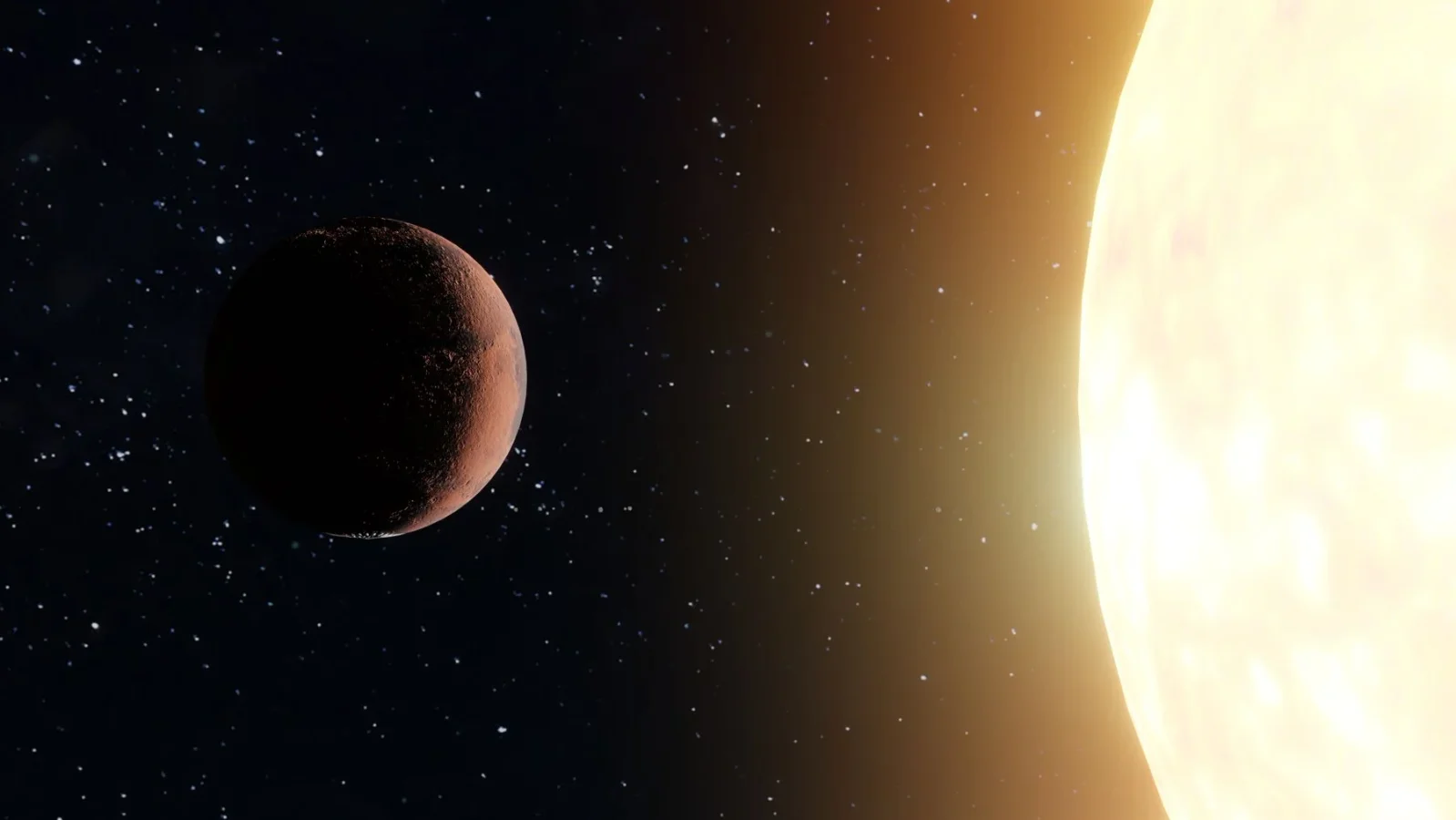
Astronomers detected helium escaping from the rocky super-Earth LHS 1140 b, the first rocky planet in its star’s habitable zone to show an atmosphere, suggesting a long-lived atmospheric reservoir despite radiation from its relatively quiet M-dwarf host. The planet is about 1.73 Earth radii and 5.6 Earth masses, transits every 24.7 days, and the helium signal was observed with the WINERED spectrograph on the Magellan telescope in 2024 (with a partial repeat in 2025). This points to atmospheric escape from the upper atmosphere, while the exact lower-atmosphere composition and surface conditions (including liquid water) remain uncertain. Future observations with Hubble and Webb could reveal heavier gases like nitrogen, CO2, or water vapor. No evidence of life is claimed; the result marks a major step toward testing atmospheric retention on rocky planets around red dwarfs.
- For years astronomers kept finding rocky planets in habitable zones and then discovering they were bare, airless cinders. LHS 1140b, announced Thursday in the journal Science, is the first one that isn't: it has an atmosphere, a surface temperature that allows Space Daily
- Astronomers Find an Atmosphere on a Nearby Earthlike Planet The New York Times
- First atmosphere found on Earth-like planet in habitable zone of distant star BBC
- Scientists Discover a Planet With the Most Earth-like Conditions Yet Time Magazine
- Earth-like exoplanet found to have an atmosphere The Guardian
Reading Insights
0
34
11 min
vs 12 min read
94%
2,352 → 134 words
Want the full story? Read the original article
Read on Space Daily