
China Denies Nvidia Spy Allegations as Lawmakers Push for Stricter Chip Export Controls
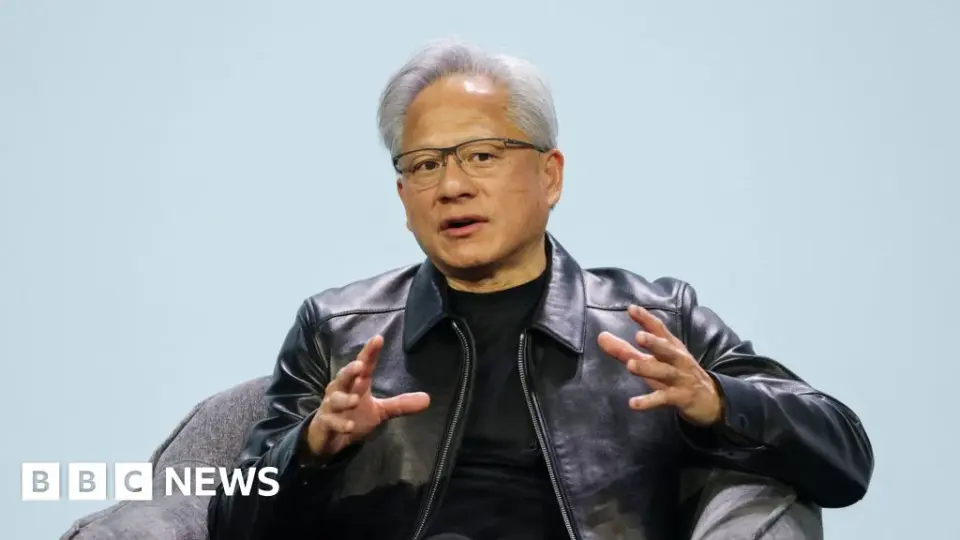
China dismissed a New York Times report alleging that Alice Huang, a businesswoman linked to Singapore-based Megaspeed, acted as a Chinese intelligence asset targeting Nvidia CEO Jensen Huang. While Beijing called the claims groundless, US intelligence officials say they monitored Huang for years. The report has intensified bipartisan pressure on Congress to tighten AI chip export restrictions to China, despite Nvidia’s insistence that its interactions with Huang were routine business engagements.
Key points
- The New York Times reported that US intelligence agencies concluded Alice Huang, also known as Huang Le, was gathering information for Beijing on Nvidia and potentially diverting advanced AI chips to China.
- China’s foreign ministry spokesman Guo Jiakun rejected the allegations on Friday, labeling them groundless speculation and an attempt to smear China.
- Nvidia stated that Jensen Huang’s interactions with Alice Huang were ordinary business meetings involving no sensitive trade secrets or national security data.
- Sen. Elizabeth Warren and other lawmakers are using the report to advocate for stricter legislation, including the AI OVERWATCH Act and Chip Security Act, to be included in the fiscal year 2027 National Defense Authorization Act.
- US officials reportedly briefed President Trump on the intelligence findings approximately a year ago, but he took no action, reportedly to protect Nvidia’s stock price and his relationship with Huang.
Background
This development follows a series of recent reports and investigations into the smuggling of advanced Nvidia chips to China. Previous coverage highlighted concerns that companies operating through third countries were helping Chinese businesses access restricted technology, despite US export controls implemented since 2022. The current allegations add to ongoing tensions regarding US-China tech competition and the enforcement of export restrictions on AI hardware.
How outlets are covering it
The BBC and Politico highlight a sharp divergence in reactions. Beijing and Nvidia maintain that the allegations are unfounded and that the interactions were standard business practices. In contrast, US lawmakers, particularly Democrats like Sen. Elizabeth Warren and Rep. Zoe Lofgren, view the report as evidence that current export controls are insufficient and that the Trump administration has been too lenient in protecting US technological advantages. While the BBC focuses on the diplomatic denial and the lack of clarity on what information was allegedly passed, Politico emphasizes the legislative push for new laws and the political fallout regarding the administration’s handling of the intelligence.
Why it matters
The allegations raise significant questions about the security of US technology and the effectiveness of current export controls. If confirmed, the diversion of advanced AI chips to China could undermine US competitiveness in artificial intelligence and potentially enhance Chinese military capabilities. The legislative response could lead to stricter regulations that affect global supply chains and the business strategies of major tech companies like Nvidia.
What to watch
Congress is expected to advance the AI OVERWATCH Act, Chip Security Act, and MATCH Act as part of the fiscal year 2027 National Defense Authorization Act. Megaspeed has appointed external legal advisers to conduct an internal investigation and has offered to cooperate with the US government. The outcome of the upcoming US elections may also influence the political will to enforce stricter tech export controls.
- China denies allegations of spy operation targeting Nvidia CEO BBC
- Chinese Executive Close to Nvidia CEO Suspected of Giving China Information WSJ
- Nvidia CEO Says Ties to Company Under Spying Probe Were ‘Normal’ Bloomberg
- Chip hawks seize on report Chinese asset cozied up to Nvidia Politico
- Nvidia Chief, Jensen Huang, Is Seen as Target of Chinese Spy Plot The New York Times
Want the full story? Read the original reporting
Read on BBC