
Documents reveal US approved 272,000 AI chips for Chinese tech giants despite military links
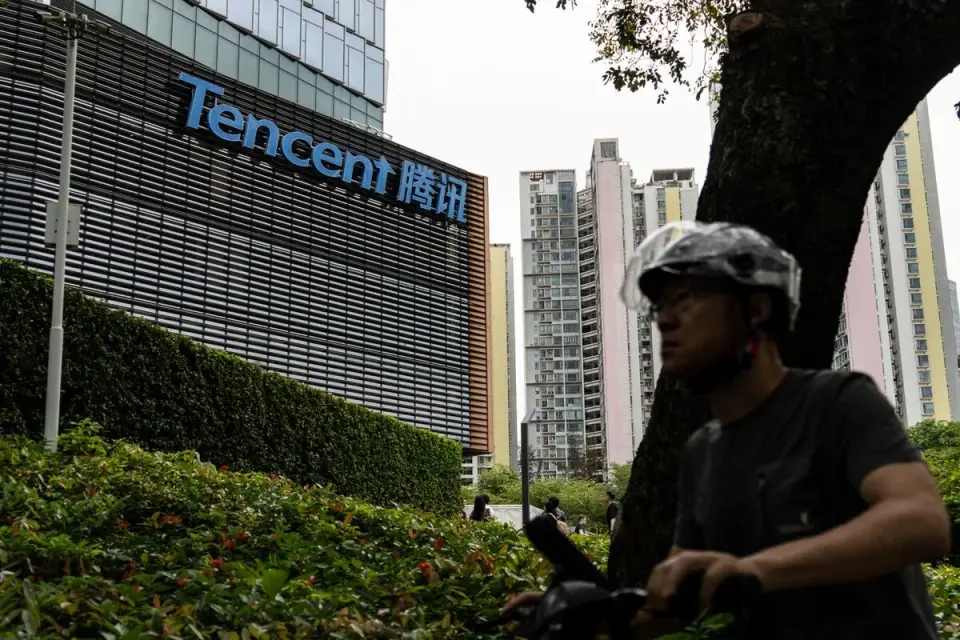
New documents released by the House Foreign Affairs Committee reveal that the US Commerce Department approved the sale of hundreds of thousands of AI chips to major Chinese technology firms, including some with alleged military ties, earlier this year. The approvals occurred despite warnings from the Pentagon and precede recent tightening of export controls.
Key points
- The US Commerce Department approved the sale of 272,000 older-generation AI processors to Tencent, Alibaba, Baidu, and BYD as of May 2026, according to licensing data released by the House Foreign Affairs Committee.
- The New York Times reports that the department approved over 800,000 advanced AI chips to Chinese companies as of May 11, including 75,000 for Alibaba, which has reported ties to a military-linked laboratory.
- Nvidia submitted an application in April to sell more than 40,000 advanced H200 chips to a company linked to Megaspeed and Alice Huang, an executive identified by US intelligence as a Chinese asset and former lover of Nvidia CEO Jensen Huang.
- The approvals were granted despite some recipients being on a Pentagon list of businesses accused of aiding China’s military, according to Bloomberg.
- The revelation follows the resignation of Jensen Huang and new US export restrictions announced this week, which aim to tighten controls on AI technology access for Chinese firms.
Background
This development follows recent legislative efforts to close loopholes allowing Chinese firms to access advanced chips through overseas data centers, as noted in our November 12 coverage. The scandal surrounding Jensen Huang’s resignation and the Megaspeed scandal, covered on November 14, accelerated calls for stricter enforcement. Our November 19 report noted that Nvidia halted China chip sales after the new restrictions, while our November 20 coverage highlighted congressional calls for hearings following the release of these approval figures.
How outlets are covering it
Bloomberg emphasizes the specific volume of older-generation chips approved for major tech giants like Tencent and Alibaba, highlighting the scale of the initial approvals. The New York Times focuses on the advanced nature of the chips and the specific connections to military-linked entities and the Megaspeed scandal, stressing the security implications. The Washington Post editorial board frames the recent policy shift as a rejection of the previous 'Jensen Huang doctrine' of interdependence, arguing that the new controls prioritize national security over market share, even if it costs American companies revenue. While Bloomberg and the NYT report on the historical approvals, the Post analyzes the current policy pivot that led to the halt in sales.
Why it matters
The release of these documents exposes a gap between previous export control enforcement and the strategic risks of allowing advanced AI technology to reach Chinese firms with military connections. It underscores the complexity of balancing economic interests with national security in the AI chip war and may influence future legislative actions and enforcement strategies by the US government.
What to watch
The US Commerce Department is expected to finalize new rules this month to prevent remote access to advanced chips through overseas data centers, expanding controls to countries like Malaysia and Singapore. Congressional hearings are likely to follow the release of these documents, and companies may face increased scrutiny regarding their compliance with export restrictions.
- US Approved AI Chip Sales to China’s Tencent, Alibaba, Data Show Bloomberg.com
- Nvidia Asked to Sell Chips to Companies Tied to Chinese Military and Megaspeed The New York Times
- The Morning Risk Report: China’s AI Firms Are Hooked on Nvidia Chips. Now Comes the Withdrawal. WSJ
- Opinion | The Jensen Huang doctrine loses in Washington The Washington Post
- US signed off on sales of nearly 900,000 AI chips to China in six months, House committee says Reuters
Want the full story? Read the original reporting
Read on Bloomberg.com