
Apple Unveils Watch Series 12 and Ultra 4 with New Health Sensors and Ceramic Case
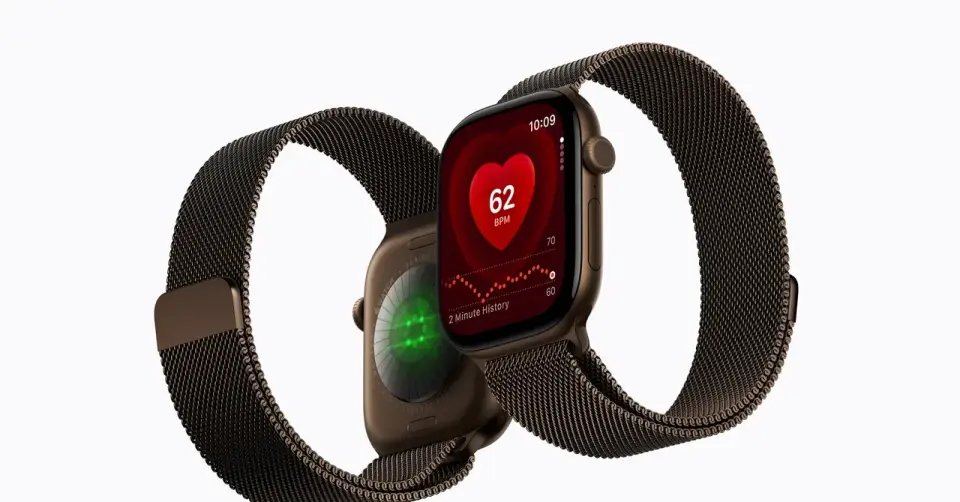
Apple launched the Watch Series 12 and Ultra 4 on September 9, 2026, featuring a new S11 chip, enhanced health sensors, and a return of the ceramic case. The Ultra 4 offers 50 hours of battery life, while both models support new Siri AI features and a redesigned Health app.
Key points
- Apple introduced the Watch Series 12 and Ultra 4 at its September 9 event, featuring a faster S11 chip and new health tracking capabilities.
- The Series 12 reintroduces the ceramic case in pearl white and night blue, a material discontinued in 2020, which Apple claims is four times more durable than stainless steel.
- The Ultra 4 offers up to 50 hours of battery life, an increase from 42 hours in the previous generation, with low power mode extending this to 84 hours.
- Both watches feature a new Health Sensing System with redesigned electrodes and photodiodes, enabling continuous heart rate monitoring every five seconds and more accurate HRV measurements.
- The new watchOS 27 software includes Siri AI features like 'Siri Recap' for real-time transcription and translation, along with a dynamic app grid and new gestures for navigation.
Background
Prior to the launch, Bloomberg’s Mark Gurman reported in late August that the new watches would retain their current designs but gain faster performance and continuous heart-rate monitoring. Rumors also suggested that no Apple Watch SE 4 would be released this year, with a major redesign planned for 1–2 years out. Additionally, Apple’s broader September event included the unveiling of the foldable iPhone Ultra and iPhone 18 Pro, with pre-orders expected to begin around September 12–18.
How outlets are covering it
WIRED emphasized the return of the ceramic case and the new S11 chip’s impact on Siri capabilities, while CNET focused on the redesigned Health app’s new Longevity and Insights tabs, highlighting the $119 Quest Diagnostics lab test panel. Mashable detailed the Ultra 4’s battery improvements and new Audio Intelligence features, such as 'Live Rewind' for conversation transcription. All sources agreed on the core hardware upgrades but differed in emphasis: WIRED highlighted the luxury aspect of the ceramic case, CNET focused on health metrics and accuracy, and Mashable stressed the practical benefits of extended battery life and new AI features. Yahoo Finance’s source was largely irrelevant, containing only stock market data and no substantive coverage of the Apple Watch launch.
Why it matters
The launch of the Watch Series 12 and Ultra 4 marks a significant step for Apple in integrating AI and advanced health monitoring into wearables. The new Health Sensing System and Longevity tab could redefine how users track their biological age and readiness, potentially influencing the broader smartwatch market. The return of the ceramic case also appeals to luxury consumers, while the extended battery life of the Ultra 4 addresses a key pain point for users of rugged wearables. These updates position Apple to compete more effectively with rivals like Oura Ring and Whoop in the health tech space.
What to watch
Pre-orders for the Apple Watch Ultra 4 began on September 9, 2026, with a release date set for September 18. The redesigned Health app is expected to roll out later in 2026 for compatible iPhones and iPads, with initial support for US English. Apple will likely continue to expand its AI-driven health features, including potential updates to blood-sugar detection, which is expected by 2030. The company may also introduce new color options or band designs for the Ultra 4, as seen with the new Alpine Loop and Trail Loop hues.
- The Apple Watch Gets Its Siri AI Upgrade WIRED
- Apple announces Watch Series 12 and Apple Watch Yahoo Finance
- Apple Takes on AI Wearables With Always-Listening Watch Features Bloomberg.com
- Apple’s Redesigned Health App Brings a Slew of New Features CNET
- Apple Watch Ultra 4 unveiled: Pricing, specs, and new features Mashable
Want the full story? Read the original reporting
Read on WIRED