
Meta Opens Muse Hardware Platform to Third-Party Developers
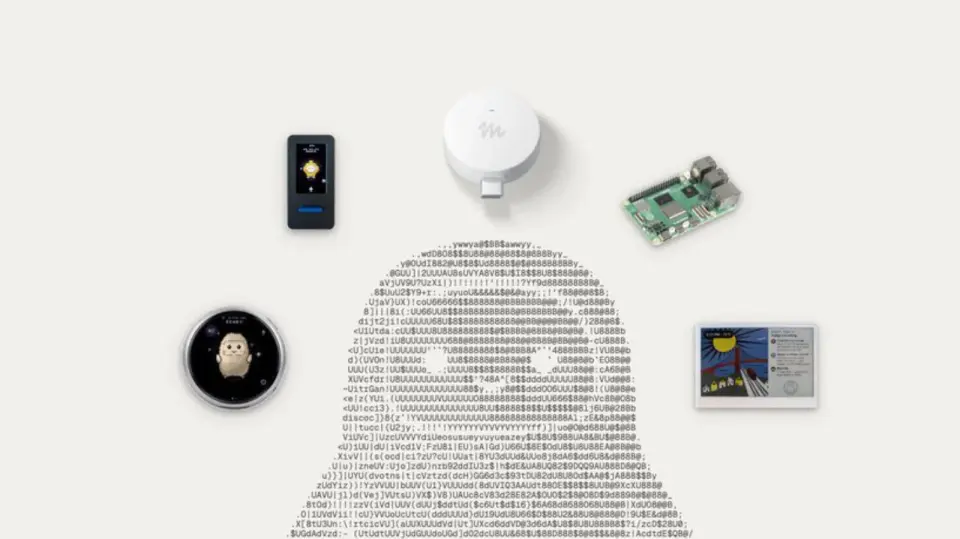
Meta has launched an open-source initiative allowing developers to build custom hardware for its Muse AI agent. The company released a Linux SDK and firmware, alongside a free 'Muse Home Link' dongle for smart home integration, aiming to expand its AI ecosystem beyond its own proprietary devices.
Key points
- Meta introduced 'Muse Gadgets,' an open-source project providing firmware and a Linux SDK for third-party hardware integration.
- The company released the 'Muse Home Link,' a USB-C powered dongle that connects Muse to home networks and smart devices.
- Meta is distributing 5,000 Home Link units to subscribers, with shipping scheduled for October 2026.
- Suggested device formats include E Ink displays, HDMI dongles, and touchscreen accessories similar to the Muse Charm.
- A dedicated Discord community has been established to support the developer ecosystem.
Background
This expansion follows Meta's September 2026 announcement of the Muse Charm, a standalone keychain device designed to run the AI agent without a smartphone. The Charm, which features a screen and microphones, is scheduled for release in December 2026. This move complements Meta's broader strategy to position Muse as a ubiquitous personal assistant across various hardware formats, including smart glasses and VR headsets.
How outlets are covering it
Engadget and The Verge both highlight the technical openness of the new initiative, emphasizing the availability of SDKs for platforms like Raspberry Pi and ESP32 boards. The Verge notes that Meta cautions users to 'proceed at their own risk' when building custom devices. In contrast, The Guardian focuses on the cultural and design implications of Meta's hardware strategy, analyzing how the 'cute' aesthetic of the Muse Charm is used to mitigate privacy concerns and build trust, a theme not emphasized in the technical coverage of the open-source release. Yahoo Finance provides market context, noting stock movements for related tech companies, but does not detail the specific hardware release.
Why it matters
By open-sourcing its hardware platform, Meta is attempting to create a broader ecosystem for its AI agent, potentially increasing adoption and reducing reliance on proprietary hardware sales. This strategy could also serve as a testing ground for new hardware ideas before Meta commits to mass production, while simultaneously addressing privacy concerns by offering non-camera-based interaction methods.
What to watch
Meta will begin shipping the 5,000 Muse Home Link units to subscribers in October 2026. The company will likely monitor community-created devices to inform future proprietary hardware designs. The broader release of the Muse Charm is still scheduled for December 2026.
- Meta Wants People To Build Their Own Muse Gadgets, Too Engadget
- Meta open sources code to let you make Muse AI gadgets The Verge
- ‘Charming and disarming’ … how Meta’s technology-packed Muse harnesses the power of cuteness The Guardian
- Unity Software Surges 5% as Traders Weigh Meta Platforms VR Glasses Support; Adobe Rises 3%, Intuit Adds 2% Yahoo Finance
- Meta’s Smart Glasses PR Cleanup Campaign Is in Full Swing Gizmodo
Want the full story? Read the original reporting
Read on Engadget