
Syria's Transitional Court Sentences Assad and Kin to Death in Landmark Verdict
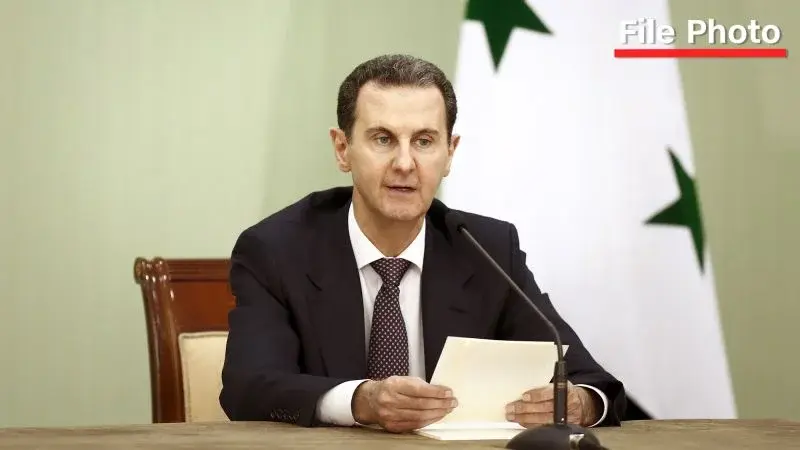
A Damascus court has sentenced ousted Syrian President Bashar al-Assad, his brother Maher, and cousin Atef Najib to death in absentia for war crimes and crimes against humanity. The verdict marks the first conviction against the Assad family since their ouster in December 2024. While Najib was tried in person, Assad and Maher remain in Russia, where they have sought asylum. The ruling aims to provide accountability for the 14-year civil war that killed approximately 500,000 people, though extradition remains a significant diplomatic challenge.
Key points
- The Fourth Criminal Court in Damascus sentenced Bashar al-Assad, Maher al-Assad, and Atef Najib to death for crimes committed during the Syrian civil war.
- Atef Najib, former head of political security in Deraa, was convicted in person for overseeing a crackdown that sparked the uprising, including the torture of teenagers.
- Bashar and Maher al-Assad fled to Russia in December 2024; Syria's new government has requested their extradition, but Moscow has not complied.
- The verdict is the first of its kind under the transitional authorities, establishing a legal precedent for accountability against former regime officials.
- Witness testimony described Bashar al-Assad as the 'highest decision-maker' who used state institutions to facilitate war crimes.
Background
This trial follows the collapse of the Assad regime in December 2024, ending five decades of family rule. The new government, led by President Ahmed al-Sharaa, has initiated a series of trials against former officials to address the atrocities of the 14-year conflict. Previous attempts by opposition figures to pursue Assad in Western courts did not result in convictions, making this domestic ruling a critical step for victims seeking justice.
How outlets are covering it
All three outlets (CNN, BBC, Al Jazeera) confirm the death sentences for Assad, Maher, and Najib. CNN and Al Jazeera emphasize the legal precedent and the role of witness testimony in establishing Assad's responsibility. BBC highlights the emotional impact on victims, such as Nouha al-Masri, who lost a brother in the 2011 crackdown. Al Jazeera notes the verdict may bring 'relief' to Syrians and sets a precedent for other accused officials. All sources agree that Assad and Maher remain in Russia, with extradition being a key unresolved issue.
Why it matters
The verdict represents a symbolic and legal milestone for Syria's transitional government, aiming to end impunity for the Assad regime. However, the practical enforcement of the sentence is complicated by Assad's asylum in Russia, highlighting the ongoing geopolitical tensions between Syria and Moscow. The trial also sets a precedent for future prosecutions of former officials, potentially influencing the broader process of accountability and reconciliation in post-conflict Syria.
What to watch
Syria's new authorities will likely continue to press Russia for the extradition of Bashar and Maher al-Assad. Additional trials of former regime officials are expected, as the transitional government seeks to address the full scope of crimes committed during the civil war. The outcome of these legal proceedings will be closely watched as a measure of the new government's commitment to justice and accountability.
- Former Syrian President Assad sentenced to death in absentia CNN
- Syria court sentences Bashar al-Assad sentenced to death in absentia BBC
- Bashar al-Assad, Atef Najib sentenced to death in landmark Syria trial Al Jazeera
- Syria sentences absent Bashar al-Assad to death over killings and torture Reuters
- Bashar al Assad sentenced to death in absentia by Syrian court for war crimes Sky News
Want the full story? Read the original reporting
Read on CNN