
FlyDubai co-pilot's extremist past and deleted social media raise vetting concerns
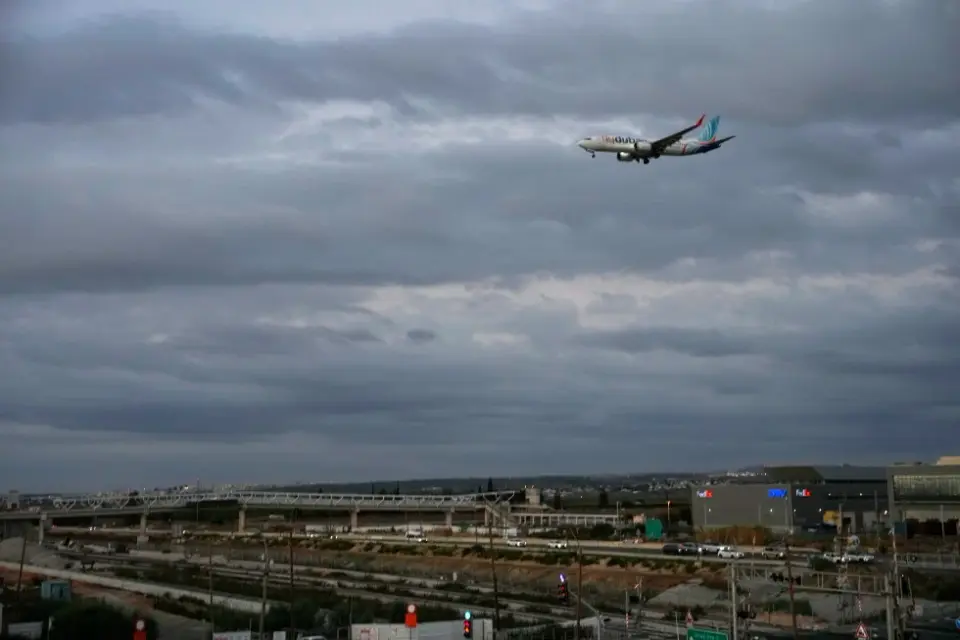
The co-pilot of the FlyDubai flight that crashed into Saudi Arabia was identified as Hamam al-Hammami, an Omani citizen who was previously removed from Oman Air for extremist views. He posted images of al Qaeda leaders on social media before deleting his accounts. The incident highlights gaps in international pilot vetting, as Oman Air and Royal Air Maroc both rejected him for employment despite his subsequent hiring by FlyDubai.
Key points
- Hamam al-Hammami, born in the UAE to an Omani father and Syrian mother, was removed from flight training at Oman Air in February 2025 due to concerns over his radical views.
- Al-Hammami completed a three-month theoretical training period with Royal Air Maroc in 2025 but was not selected for employment, according to the airline.
- CNN reported that al-Hammami posted images of al Qaeda leaders Ayman al-Zawahiri and Humam Khalil Abu-Mulal al-Balawi on LinkedIn and Instagram before deleting the accounts on the day of the flight.
- The UAE attorney-general described the attack as an attempted 'terrorist act' where the co-pilot used an ax to attack the captain and attempt to seize control of the plane.
- Israel's Transportation Ministry stated that its security protocols do not include checking the names of flight crew members for foreign airlines, raising questions about vetting gaps.
Background
The incident occurred on a FlyDubai flight from Dubai to Tel Aviv, which made an emergency landing in Saudi Arabia after the co-pilot attacked the captain. Passengers and crew subdued the attacker, allowing the plane to land safely. The UAE has taken custody of the co-pilot and ordered an investigation. The captain, Smit Machchhar, was badly wounded but managed to unlock the cockpit door, allowing passengers to intervene. The incident has raised concerns about aviation security and pilot vetting, particularly for flights to Israel.
How outlets are covering it
AP News focused on the UAE's official statement describing the attack as a terrorist act and the lack of comment from Oman Air. CNN emphasized the extremist content found on al-Hammami's social media and his previous removal from Oman Air due to radical views. The New York Times highlighted the heroism of the passengers and crew who subdued the attacker, as well as the gaps in Israeli security protocols for vetting foreign airline crew. All three outlets agreed on the basic facts of the incident but differed in their emphasis on the suspect's background and the security implications.
Why it matters
The incident exposes significant gaps in international pilot vetting and aviation security, particularly for flights to Israel. It raises questions about how background checks are conducted across borders and whether airlines are adequately screening their crew for extremist views. The incident also highlights the importance of passenger and crew cooperation in averting disasters, as the actions of the passengers and crew on the FlyDubai flight likely saved many lives.
What to watch
The UAE is expected to continue its investigation into the incident, and the co-pilot may face legal action. Airlines and aviation authorities may review their vetting procedures to prevent similar incidents in the future. The incident may also lead to increased scrutiny of pilot training and employment practices in the aviation industry.
- Ax-wielding FlyDubai co-pilot had been flagged over extremism concerns AP News
- Terrorist images found on Flydubai suspect’s social media CNN
- FlyDubai Co-Pilot Used Crash Ax in Attack, Says U.A.E. WSJ
- How FlyDubai Passengers and Crew Averted Disaster After Pilot Was Stabbed During Flight The New York Times
- Who are the mystery men who stepped in to keep the FlyDubai plane from crashing? Dallas News
Want the full story? Read the original reporting
Read on AP News