
ICJ's historic ruling finds Myanmar guilty of Rohingya genocide, setting precedent for Gaza case
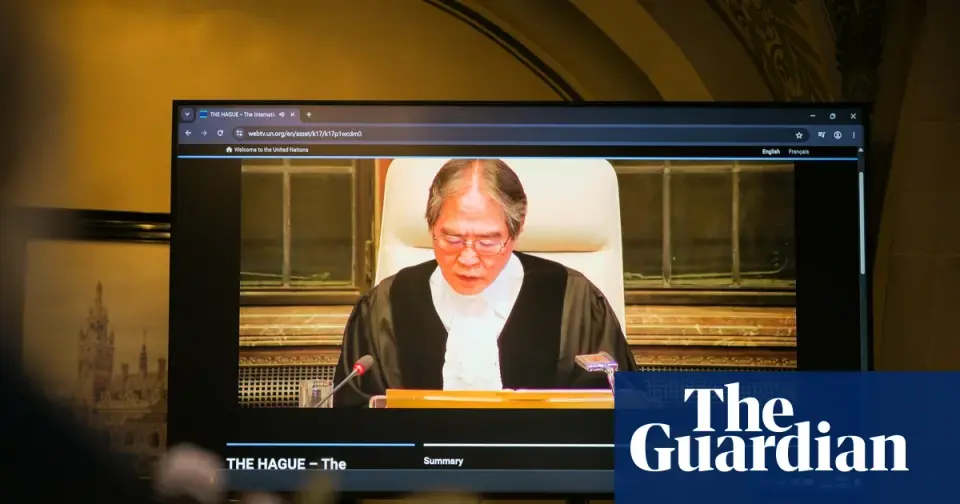
The International Court of Justice (ICJ) ruled on November 19, 2026, that Myanmar committed genocide against the Rohingya minority during its 2017 military crackdown. This is the first time a state, rather than individuals, has been found guilty of genocide under the 1948 Genocide Convention. The 9-6 decision, brought by The Gambia, found that Myanmar's security forces acted with genocidal intent, resulting in over 10,000 deaths and the displacement of more than 700,000 people. The ruling orders Myanmar to provide reparations, including the safe return of Rohingya to their homes and the replacement of damaged property. The verdict has significant legal implications for other pending genocide cases, particularly South Africa's claim against Israel regarding the war in Gaza.
Key points
- The ICJ ruled that Myanmar committed genocide against the Rohingya minority in 2017, marking the first time a state has been found guilty of this crime by an international court.
- The 9-6 decision found that Myanmar's security forces acted with genocidal intent, resulting in over 10,000 deaths and the displacement of more than 700,000 people.
- The ruling orders Myanmar to provide reparations, including the safe return of Rohingya to their homes, the replacement of damaged property, and physical and mental rehabilitation.
- The verdict has significant legal implications for other pending genocide cases, particularly South Africa's claim against Israel regarding the war in Gaza.
- The ICJ's ruling is final and cannot be appealed, but the court lacks direct enforcement power, and Myanmar has denied the allegations.
Background
The ICJ was established in 1945 in the wake of the second world war to re-establish a peacetime international order. The 1948 Genocide Convention formally made genocide a crime under international law, defining it as the committing of any of five acts with 'intent to destroy, in whole or in part, a national, ethnic, racial or religious group.' Prior to this ruling, only individuals had been successfully convicted of genocide in international courts, such as Rwandans and senior military figures in the former Yugoslavia and Cambodia. The case against Myanmar was brought by The Gambia in 2019, and it took seven years to reach this closing stage.
How outlets are covering it
The Guardian emphasizes the emotional relief for Rohingya refugees and the historic significance of the ruling as the first time a state has been found guilty of genocide. Al Jazeera focuses on the legal implications for South Africa's genocide case against Israel, noting that the ICJ's acceptance of evidence beyond explicit written orders from senior military figures could take a similar view in relation to the war in Gaza. Both outlets agree that the ruling sets a significant legal precedent, but they differ in their emphasis: The Guardian highlights the human impact, while Al Jazeera focuses on the legal ramifications for other cases.
Why it matters
The ICJ's ruling is a landmark decision that sets a precedent for holding states accountable for genocide under international law. It provides a legal framework for other pending genocide cases, including South Africa's claim against Israel. The ruling also offers hope to Rohingya refugees and other persecuted populations around the world, as it establishes that a state's intent to commit genocide can be inferred from cumulative patterns, even if it claims self-defense or counter-terrorism as justification. However, the ICJ lacks direct enforcement power, and Myanmar has denied the allegations, which may limit the practical impact of the ruling.
What to watch
The ICJ's ruling is final and cannot be appealed, but the court lacks direct enforcement power. Myanmar is ordered to provide reparations, including the safe return of Rohingya to their homes and the replacement of damaged property, but it is unclear how these orders will be enforced. The ruling may influence other pending genocide cases, including South Africa's claim against Israel, which is expected to take several years to reach a verdict. The ICJ's decision may also affect states that could be held accountable as accessories to Israel's crimes, such as the US and Germany, which have been involved in supporting Israel's military operations in Gaza.
- Friday briefing: What are the implications of the ICJ’s landmark genocide ruling? The Guardian
- What does the ICJ’s Rohingya genocide ruling mean for Gaza? Al Jazeera
- Myanmar rejects UN court's Rohingya genocide guilty verdict as 'unfair' Sky News
- US reacts cautiously to Myanmar genocide ruling as EU praises ‘critical’ role of UN’s top court The Guardian
- World’s top court to rule if Myanmar committed genocide against Rohingya The Guardian
Want the full story? Read the original reporting
Read on The Guardian