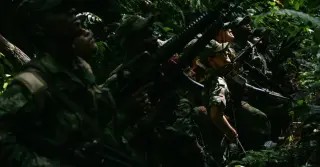
Marking the 10th anniversary of the 2016 peace accord, Colombia faces a mixed legacy. While the FARC disbanded, violence has intensified, humanitarian needs have surged by 40%, and the coca substitution program has largely failed due to state neglect and flawed design.
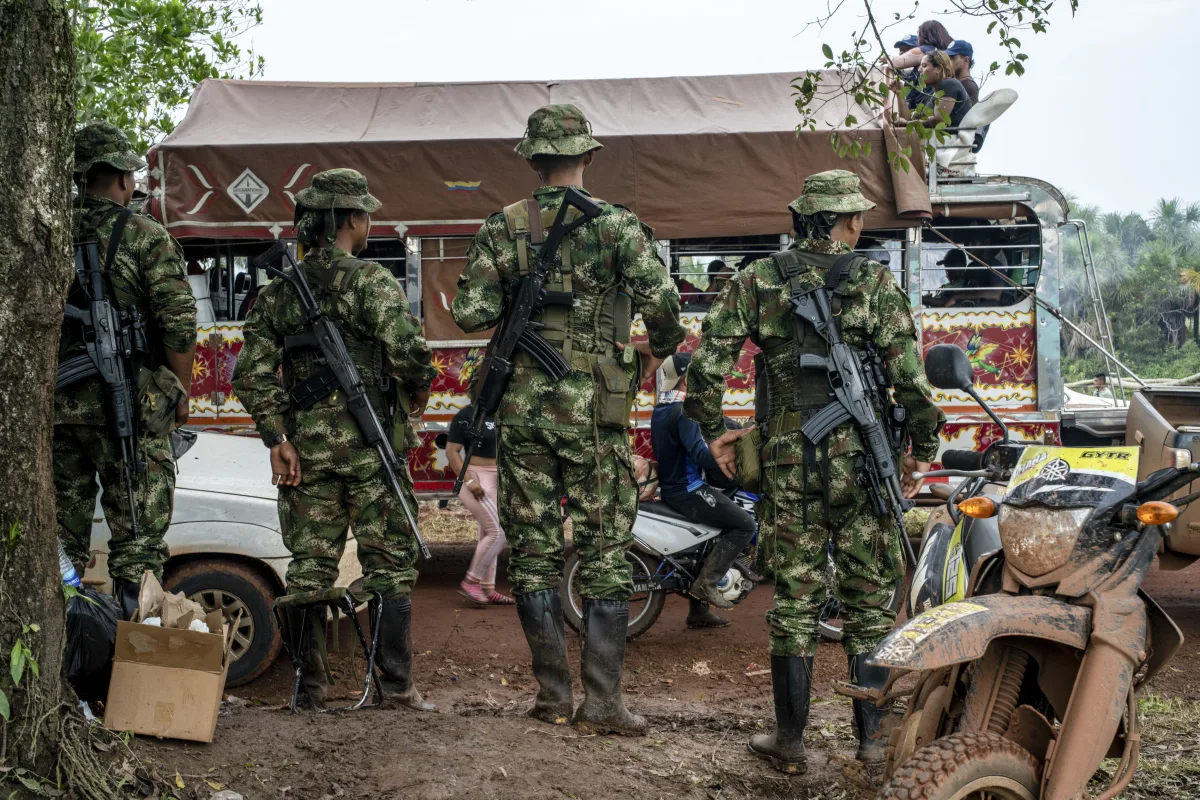
Human Rights Watch reports that armed rebel groups in Colombia are using social media platforms like Meta and TikTok to recruit children. The organization identified dozens of accounts that 'glorify' life in rebel groups, noting that platform algorithms actively promoted this content. A FARC holdout group led by commander Ivan Mordisco is primarily responsible for these recruitment efforts, particularly in the Cauca region. The report highlights that nearly half of all child recruitment cases since 2021 involved Indigenous children, despite them making up only 4% of the population, and that girls accounted for 40% of recruited children. Human Rights Watch is calling on the Colombian government to increase resources for prosecuting recruiters and for social media platforms to create easier reporting mechanisms and preserve evidence for prosecutors.
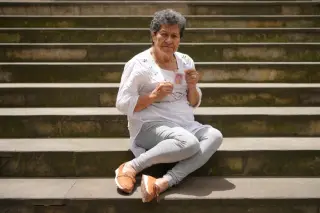
Colombia’s presidential contest is dominated by fear of a relapse into the country’s long war, as candidates propose divergent security approaches—one favoring tough state action and peacemaking with criminal groups, the other pushing a hardline crackdown. Survivors recount the toll of past abuses, including the “false positives” killings and kidnappings, while ongoing violence and a partial ceasefire among armed groups underscore concerns that peace gains could unravel with a change in leadership.
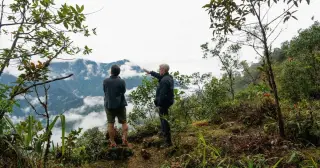
Diego Calderón Franco, once kidnapped by FARC for 88 days, now runs birding tours and has begun introducing former fighters to birdwatching to help them find new livelihoods after the peace deal, illustrating how Colombia’s biodiversity and ecotourism can aid healing in a country still navigating its divided past.
Colombia’s bid for total peace is under pressure as dissident Farc factions, the ELN and other armed groups widen the conflict ahead of the presidential election. Deadly attacks, kidnappings and mass displacement have surged, challenging Petro’s peace initiatives and raising questions about a staged shift back toward conflict. Analysts say the next government will need a careful mix of negotiations and force to manage a highly fragmented security landscape.
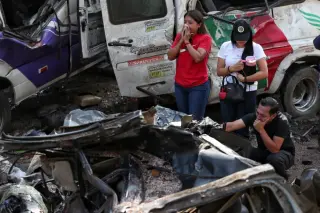
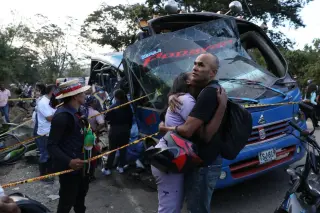
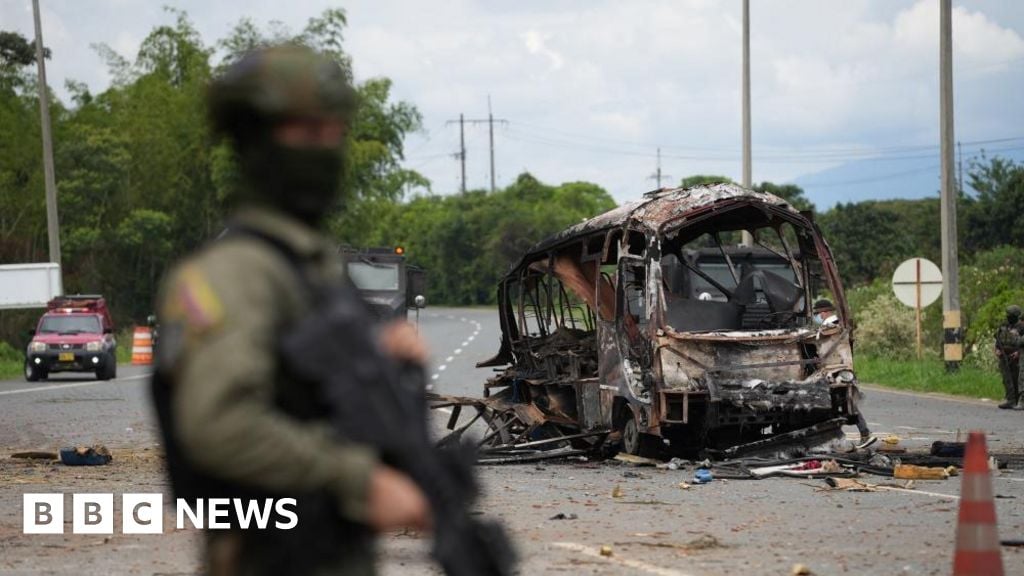
The death toll from a bus bombing on the Pan-American Highway in Cajibio, southwestern Colombia, has risen to 20, with authorities blaming dissident factions of the former FARC rebels amid a broader wave of violence.
A bombing on a bus along Colombia’s Pan-American Highway in Cajibío left 13–14 people dead and about 38–40 wounded, including several minors, with authorities blaming dissident factions of the former FARC rebels; the attack highlights ongoing violence in southwestern Colombia.
Former Venezuelan general Hugo Carvajal pleaded guilty to charges including narco-terrorism, drug importation, and weapons offenses, for his role in partnering with the FARC to flood the U.S. with cocaine and support terrorist activities, with sentencing scheduled for October 2025.
A series of bomb and gun attacks in southwestern Colombia, including Cali, have resulted in at least seven deaths and numerous injuries, with some links to FARC factions, amid escalating violence and recent political tensions.
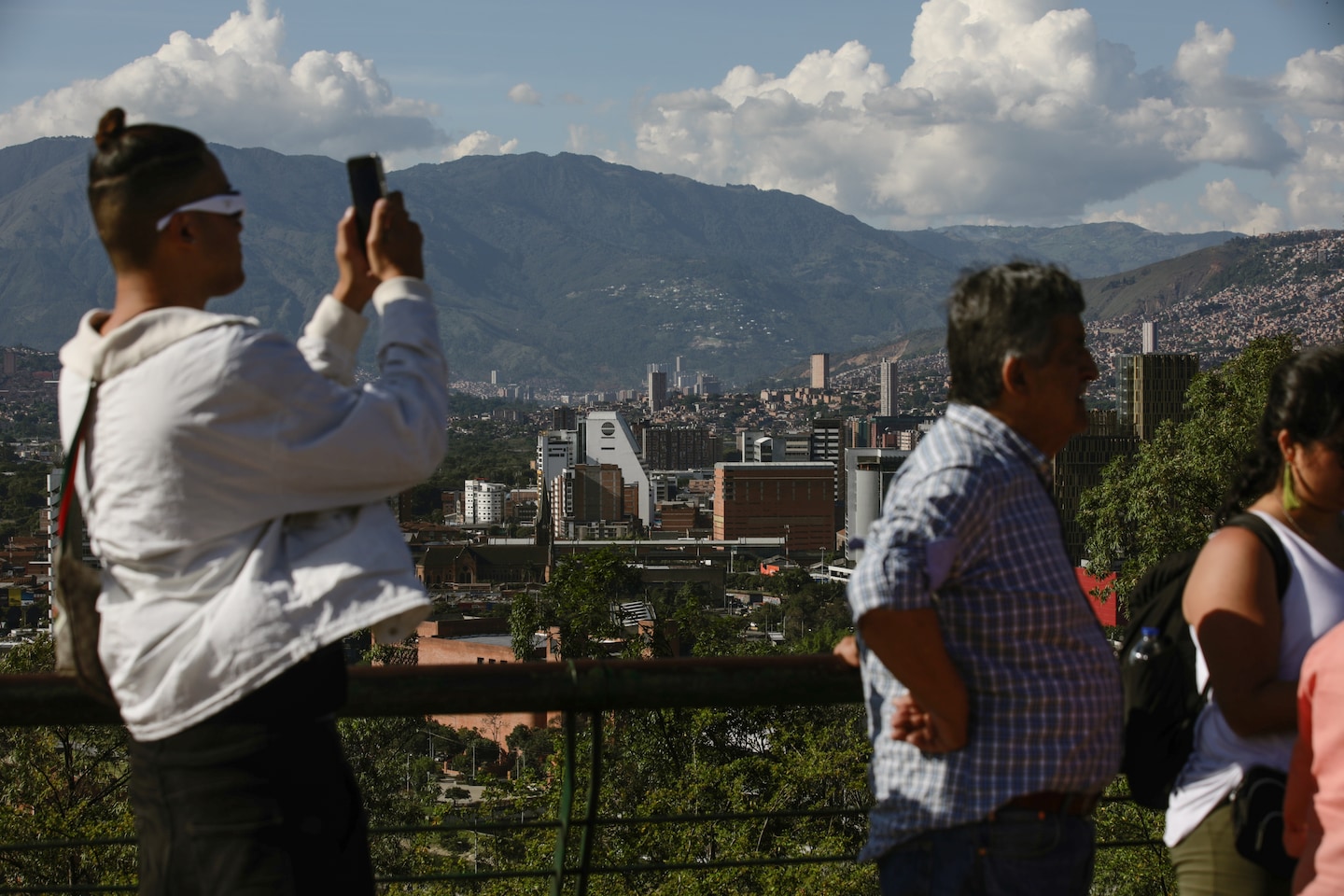
A wave of "suspicious deaths" of U.S. citizens in Medellín, Colombia has raised concerns about safety for tourists, with at least eight Americans killed in November and December. The resurgence of kidnappings in Colombia, once infamous for its kidnapping industry, has been attributed to armed criminal groups seeking to extort protection "taxes" and instill fear in the community. The case of Tou Ger Xiong, a well-known Hmong comedian and activist, who was kidnapped, tortured, and killed, highlights the dangers faced by tourists in the country. The U.S. Embassy in Bogotá has warned about criminals using dating apps to lure victims, and while Medellín is considered a safe city, the increase in tourism has led to a rise in certain criminal activities.
Four children who survived 40 days in the Colombian jungle after their plane crashed were fleeing for their lives from an armed group that forcibly recruited children by threatening violence. The children's escape plane crashed, killing their mother and two other adults and sending the quartet on a traumatic weekslong survival journey in the Amazon jungle. The rescue of the children has provided a rare moment of unified celebration in a deeply divided nation, with broad swaths of society, from left to right, praising the work of the search team.
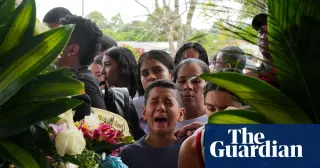
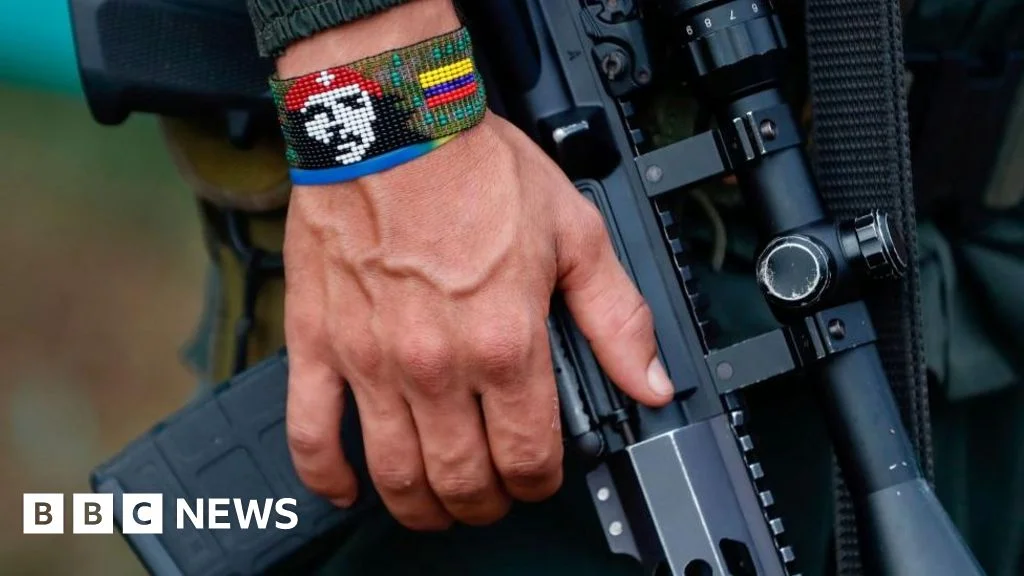
Colombian President Gustavo Petro has suspended a ceasefire with the dissident Farc rebel group EMC-Farc in the four regions where it is most active, following the killing of four indigenous teenagers by the group. The EMC-Farc is a splinter group of the Revolutionary Armed Forces of Colombia (Farc) and is made up of left-wing rebels who refused to lay down their arms when the Farc leadership signed a peace deal in 2016. Indigenous groups have borne the brunt of Colombia's armed conflict, with many of their children abducted or lured away to fight for armed groups.
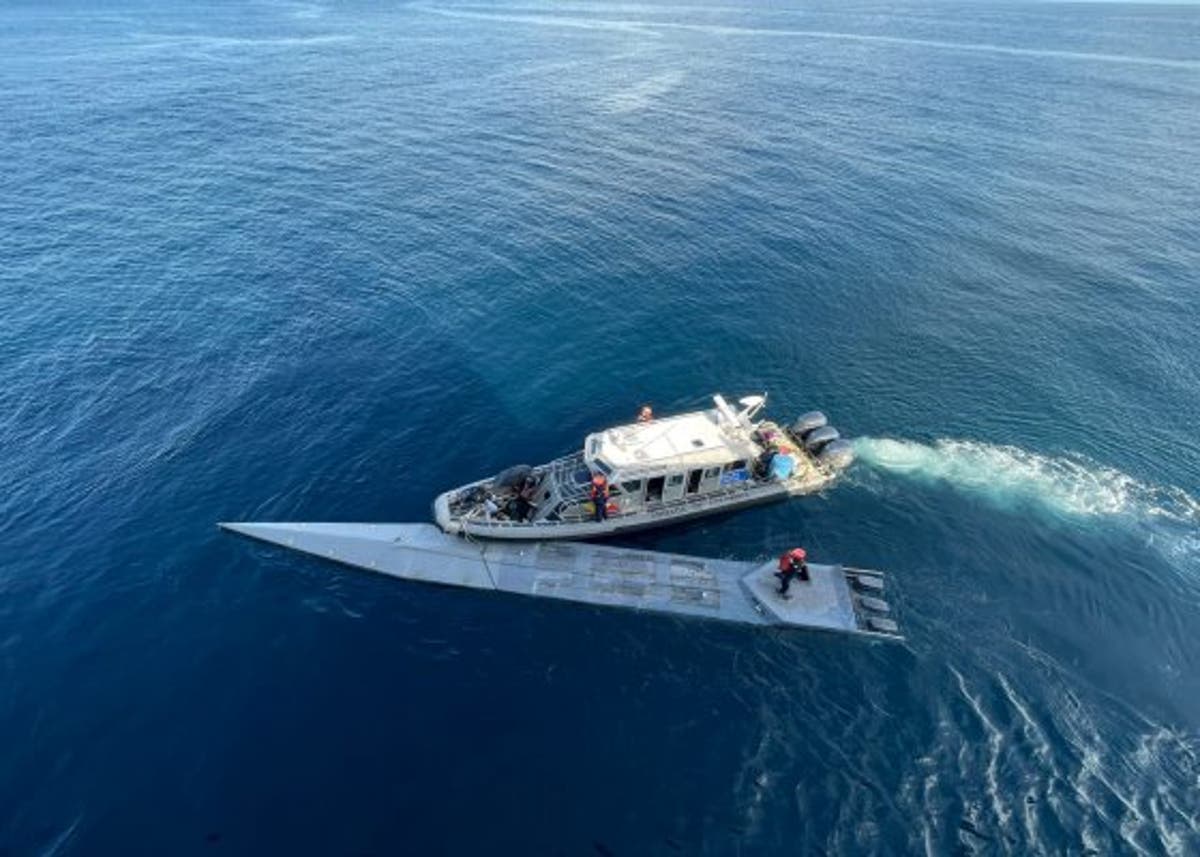
A semi-submersible submarine carrying $87m worth of cocaine, along with two dead bodies and two surviving crew members, was intercepted off the coast of Colombia. The 2,643 kilograms of cocaine inside the sub was bound for Central America. The Colombian Navy will continue deploying all its capabilities to counter the scourge of drug trafficking structures that commit crimes in the Colombian Pacific.