
Planned 7th-Century Industrial Hub Unearthed in Ramat Gan Ahead of Bus Terminal Construction
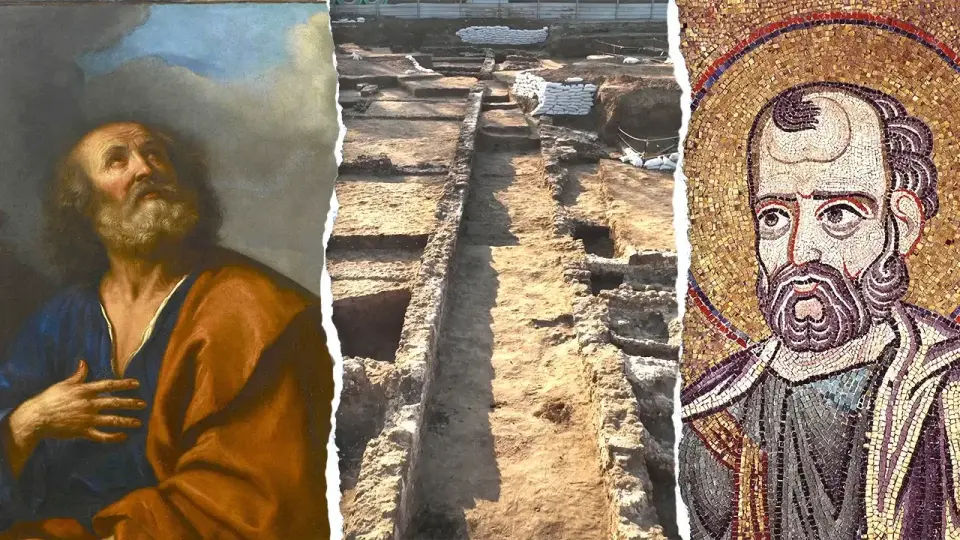
The Israel Antiquities Authority announced the discovery of a large, organized industrial and commercial complex dating to the 7th or 8th century A.D. in Ramat Gan, Israel. Uncovered during excavations for a new bus terminal, the site features planned streets, shops, warehouses, and pottery kilns. Excavation directors stated the findings exceeded expectations, suggesting the complex was engineered with regional authority support and operated for 150 years before being abandoned. Artifacts recovered include bronze tableware, iron tools, coins, and imported glass, offering insights into the trade and economy of the Umayyad and Abbasid periods. The site was later resettled in the 10th century with residential buildings and clay-baking ovens, but was abandoned again in the late 11th century before the Crusader arrival and never inhabited again. This discovery adds to a series of recent archaeological finds in Israel, including marble statues near Binyamina and a tunnel in Jerusalem.
Key points
- The complex was discovered in Ramat Gan near Tel Aviv during excavations for a new bus terminal, announced by the Israel Antiquities Authority in August 2026.
- Dating to the 7th or 8th century A.D., the site corresponds to the Umayyad and Abbasid periods and features straight, intersecting streets lined with shops, warehouses, and plastered industrial facilities.
- Excavation directors Yoav Arbel and Lior Rauchberger noted the complex was carefully planned by engineers, possibly with initiation or funding from regional authorities, and stood near a secondary road branching from a main route connecting Jaffa, Ramla, and Jerusalem.
- Artifacts recovered include bronze tableware and cosmetic implements, iron pickaxe heads, a sickle, numerous nails, dozens of coins, and fragments of local and imported pottery and glass vessels.
- The complex operated for 150 years before being abandoned under unknown circumstances, was resettled in the 10th century with residential buildings and tabuns (clay-baking ovens), and was abandoned again in the late 11th century shortly before the Crusaders arrived, never to be inhabited again.
- The site is located near Jaffa, known as Joppa in biblical times, which appears in accounts involving Jonah and St. Peter, though archaeologists are unsure which religious community (Muslim, Christian, Jewish, or Samaritan) inhabited the site.
Background
Recent archaeological discoveries in Israel have included a Second Temple-era burial cave uncovered during a police operation in Jerusalem's Silwan district in August 2026, as well as 1,700-year-old marble statues found near Binyamina earlier in the summer. These finds, along with the Ramat Gan complex, highlight ongoing archaeological activity in the region, often tied to construction projects or security operations. The Ramat Gan discovery specifically adds to the understanding of trade and economic activity during the Umayyad and Abbasid periods, a time when diverse religious communities coexisted in the region.
Why it matters
The discovery provides a vivid reflection of the culture, trade, and economy of the 7th and 8th centuries A.D. in the region, offering insights into the planning and organization of ancient industrial complexes. The site's location near a major route connecting historic cities like Jaffa, Ramla, and Jerusalem underscores its significance in understanding historical trade networks. The careful planning and potential involvement of regional authorities suggest a level of state or institutional support for economic activities during this period. Additionally, the site's abandonment and later resettlement offer a timeline of human activity and change in the region, contributing to the broader historical narrative of the area.
What to watch
Further analysis of the artifacts and architectural remains may provide more details about the specific community that inhabited the site and the reasons for its abandonment. The Israel Antiquities Authority may continue to study the site to uncover more about the trade and economy of the Umayyad and Abbasid periods. The construction of the new bus terminal in Ramat Gan will likely proceed, with the archaeological findings integrated into the project's planning. Additional research may also explore the connections between the complex and the main road connecting Jaffa, Ramla, and Jerusalem, as well as the role of regional authorities in its construction and operation.
Want the full story? Read the original reporting
Read on Fox News