
Ethiopia's Tigray War Escalates as Regional Rivals Weigh Intervention
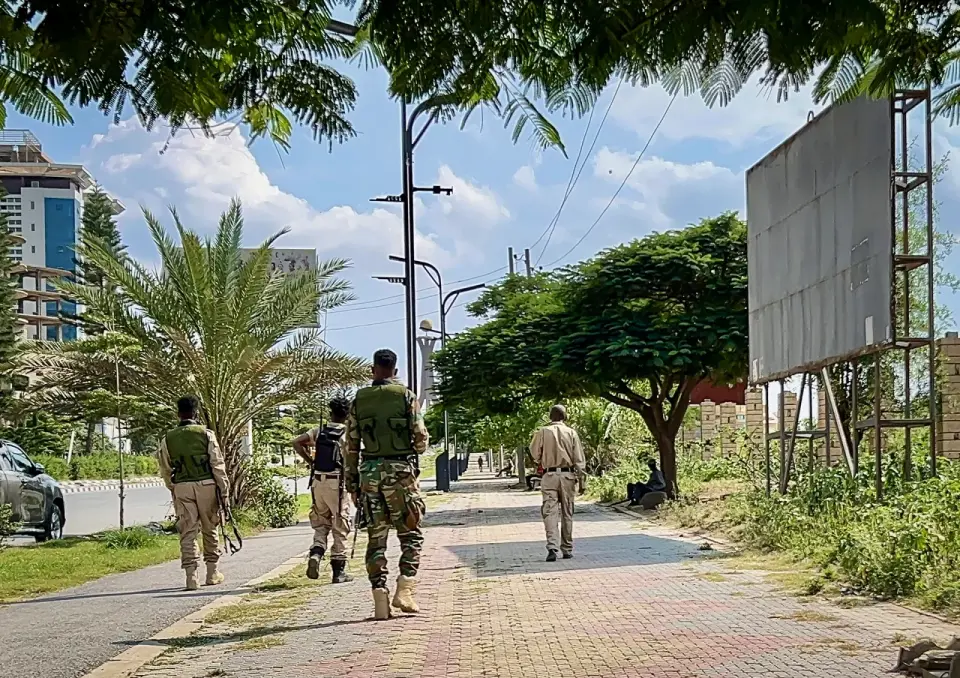
Ethiopian federal forces have captured the Tigrayan capital, Mekelle, after rebel groups withdrew, effectively ending the 2022 Pretoria ceasefire. While the Tigray People’s Liberation Front (TPLF) pledges to continue fighting in rural areas, the conflict risks expanding into a regional war. Neighboring Egypt, Eritrea, Sudan, and Somalia have formed a loose diplomatic bloc to counter Ethiopian ambitions, particularly regarding Red Sea access and the Grand Ethiopian Renaissance Dam. The fighting has triggered a severe humanitarian crisis, with millions facing food insecurity due to drought, blocked aid routes, and looting of relief infrastructure.
Key points
- Federal forces entered Mekelle after TPLF and allied rebels withdrew, citing civilian safety concerns.
- The 2022 Pretoria ceasefire has collapsed, reigniting a conflict that previously killed up to 600,000 people.
- Eritrean troops have reportedly entered northern Tigrayan towns, though Asmara denies supporting the rebels.
- Egypt, Eritrea, Sudan, and Somalia held a summit in Egypt to coordinate against Ethiopian unilateralism.
- A severe food crisis affects 3.9 million people in Tigray due to drought, failed harvests, and blocked humanitarian access.
Background
The 2020-2022 Tigray war ended with the Pretoria Agreement, but implementation stalled, leaving structural issues unresolved. Recent months saw deteriorating relations, with Ethiopia and Eritrea severing diplomatic ties in October 2026. The current conflict follows a pattern where initial federal victories in 2020 were followed by prolonged rebel resistance in mountainous terrain.
How outlets are covering it
Al Jazeera emphasizes the strategic implications for regional rivals, noting that Egypt and Eritrea view Ethiopia's Red Sea ambitions as existential threats. The Guardian highlights the 'polycrisis' nature of the conflict, linking it to broader geopolitical turmoil and humanitarian failures. BBC focuses on the immediate military shift and diplomatic responses, while The New Humanitarian details the catastrophic food crisis and the looting of aid infrastructure in Mekelle. Outlets differ on the likelihood of direct foreign intervention, with some viewing the regional bloc as a diplomatic constraint rather than a military alliance.
Why it matters
The conflict threatens to destabilize the Horn of Africa, potentially drawing in multiple neighboring countries. It exacerbates a severe humanitarian crisis, with millions facing famine due to drought and blocked aid. The regional power struggle over the Red Sea and Nile waters could lead to broader geopolitical tensions, affecting trade routes and security in the region.
What to watch
The TPLF plans to continue guerrilla warfare in rural areas, potentially prolonging the conflict. Regional rivals may increase diplomatic pressure or covert support for rebels to limit Ethiopian gains. Humanitarian access remains critical, with the Mekelle-Semera corridor potentially serving as a lifeline for aid. The outcome will depend on whether the conflict remains contained or expands into a wider regional war.
- Will Ethiopia’s neighbours intervene as Tigray war escalates? Al Jazeera
- The Guardian view on Ethiopia’s return to conflict: civilian catastrophe and a spiralling regional polycrisis | Editorial The Guardian
- Airstrikes and artillery hit north Ethiopia as government and rebels clash, sources say Reuters
- Ethiopian conflict: TPLF forces withdraw from Tigray regional capital Mekelle BBC
- Tigray faces a double catastrophe: War and worsening hunger The New Humanitarian
Want the full story? Read the original reporting
Read on Al Jazeera