Nigeria faces wave of village kidnappings as police report dozens abducted
Police say dozens have been abducted in attacks on Nigerian villages, part of a broader wave of kidnappings and violence by armed groups across the country.
All articles tagged with #armed groups

Police say dozens have been abducted in attacks on Nigerian villages, part of a broader wave of kidnappings and violence by armed groups across the country.

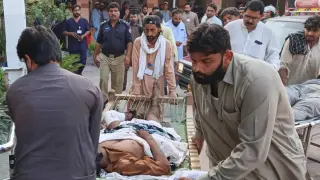
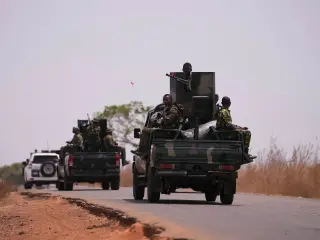
Armed men stormed villages and a mosque in Niger State, Nigeria, abducting dozens of worshippers and residents; police say numbers are unconfirmed but locals report more than 60, with some casualties unverified, and security forces have been deployed to assess and rescue as clashes between Lakurawa and Mahmuda groups highlight a broader pattern of mass abductions in the region.

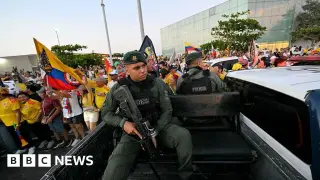
Colombia’s presidential runoff is dominated by escalating violence from illegal armed groups (FARC dissidents, ELN, Clan del Golfo), driving mass displacement and shaping voters’ priorities. Leftist Iván Cepeda advocates negotiated security and social reforms, while outsider Abelardo de la Espriella pushes a hard crackdown and new prisons, a debate intensified by Donald Trump’s endorsement. The outcome will influence Colombia’s security approach and its ties to the United States.

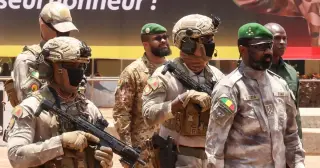
Nearly a week after coordinated attacks by JNIM and the Azawad Liberation Front, Mali’s military government is restructuring and reinforcing security, with Assimi Goita appointed defence minister while remaining president; JNIM and FLA have seized Kidal and threaten Gao, Timbuktu and Menaka, as fighting leaves at least 23 dead and civilians wounded or abducted. About 130 Malian soldiers are reportedly captured in Kidal, and hunger fears rise in besieged areas as humanitarian concerns grow, with UN OHCHR warning of possible abuses and urging protection of civilians under international law while Russia-backed forces regroup.

Venezuela's fragile civil-military alliance is under strain amid political upheaval following Maduro's removal, with various armed groups and factions potentially responding to U.S. pressure with violence or defection, risking a complex and messy conflict.

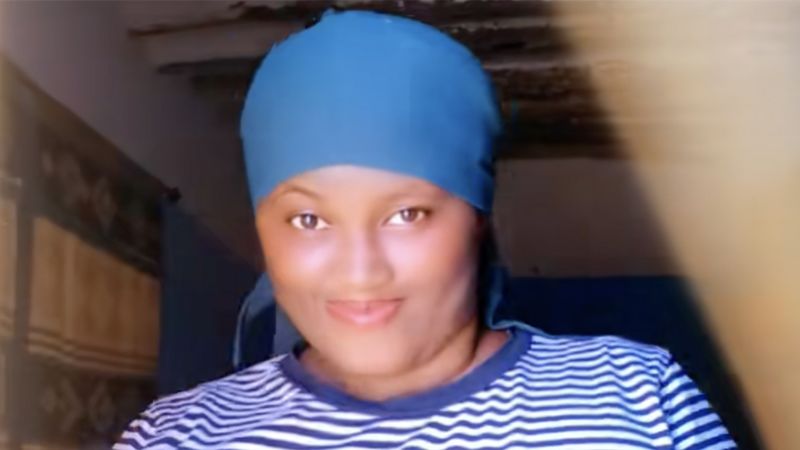
A Malian TikTok influencer supporting the army was abducted and executed by suspected jihadists, amid escalating violence and territorial gains by jihadist groups like JNIM in Mali, which has worsened insecurity and prompted international advisories for nationals to leave Bamako.

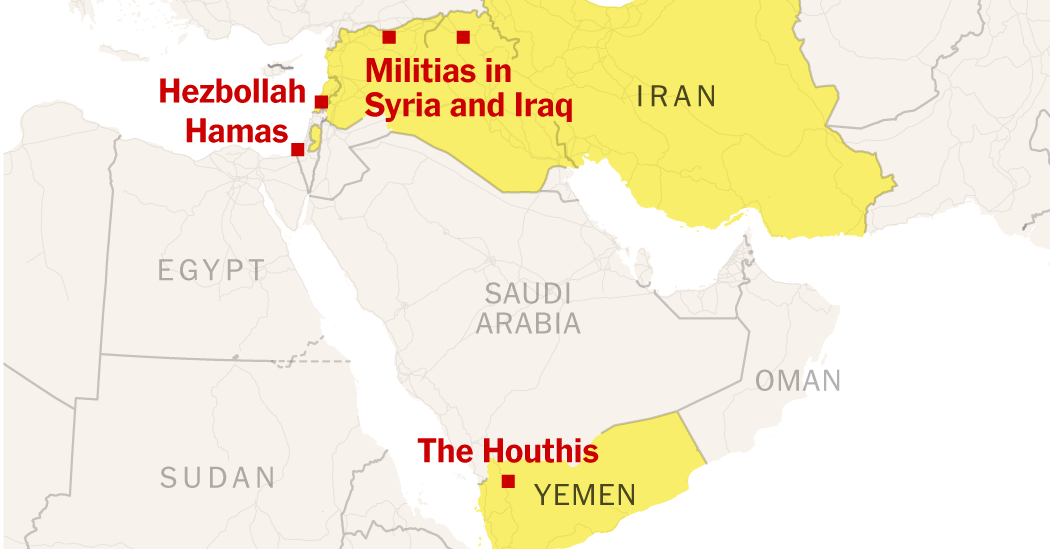
Iran, despite being an outsider in the predominantly Arabic and Sunni Middle East, has managed to project its military power through support for over 20 armed groups. These groups, including Hamas, Hezbollah, the Houthis, Iraqi armed groups, and Syrian armed groups, receive various forms of support from Iran, such as weapons, training, and financial aid. Iran's influence has led to increased tensions with Israel and the United States, with recent conflicts in Gaza and Syria renewing fears of a broader war.

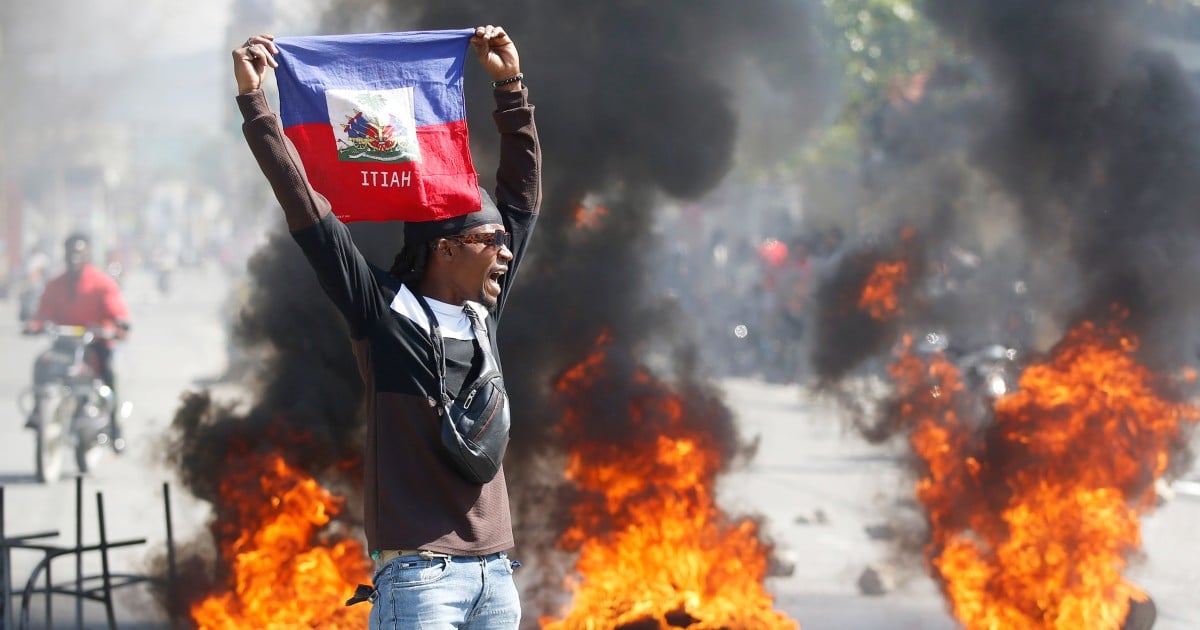
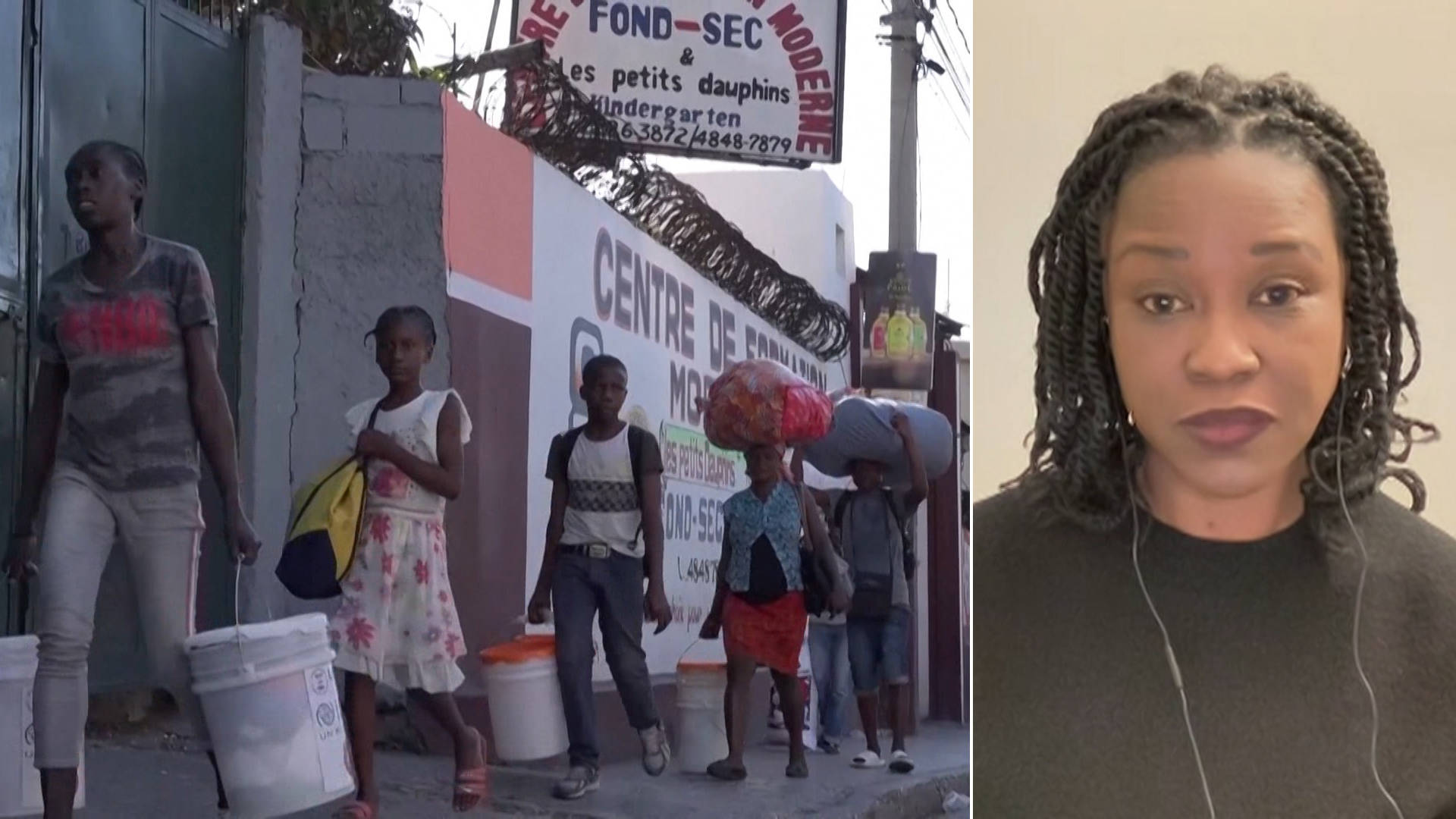
The ongoing violence and political turmoil in Haiti have sparked a debate among Haitians about the necessity of foreign intervention. While some, like Johnny Celestin, believe in Haiti's agency and are against foreign intervention, others, like Monique Clesca, acknowledge the need for international support but emphasize the importance of Haitians leading the efforts. The country's history of destructive foreign intervention, including from the U.S., has fueled skepticism among Haitians. As armed groups continue to escalate violence, the debate over foreign intervention remains contentious, with some advocating for collaboration with foreign actors on Haitian terms, while others, like Jemima Pierre, condemn foreign intervention as a source of Haiti's turmoil.

Armed groups in Haiti attacked several electrical stations, leaving parts of the capital, Port-au-Prince, in darkness by stealing equipment and documents. The country's power company, EDH, reported that four substations and the Varreux Power Plant were "completely dysfunctional" due to the vandalism. The attacks come amid rising political tension and violence, with armed groups escalating murders, rapes, and kidnappings since the assassination of President Jovenel Moïse in 2021. The current crisis adds to Haiti's ongoing recovery from past natural disasters, including the devastating earthquakes in 2010 and 2021.

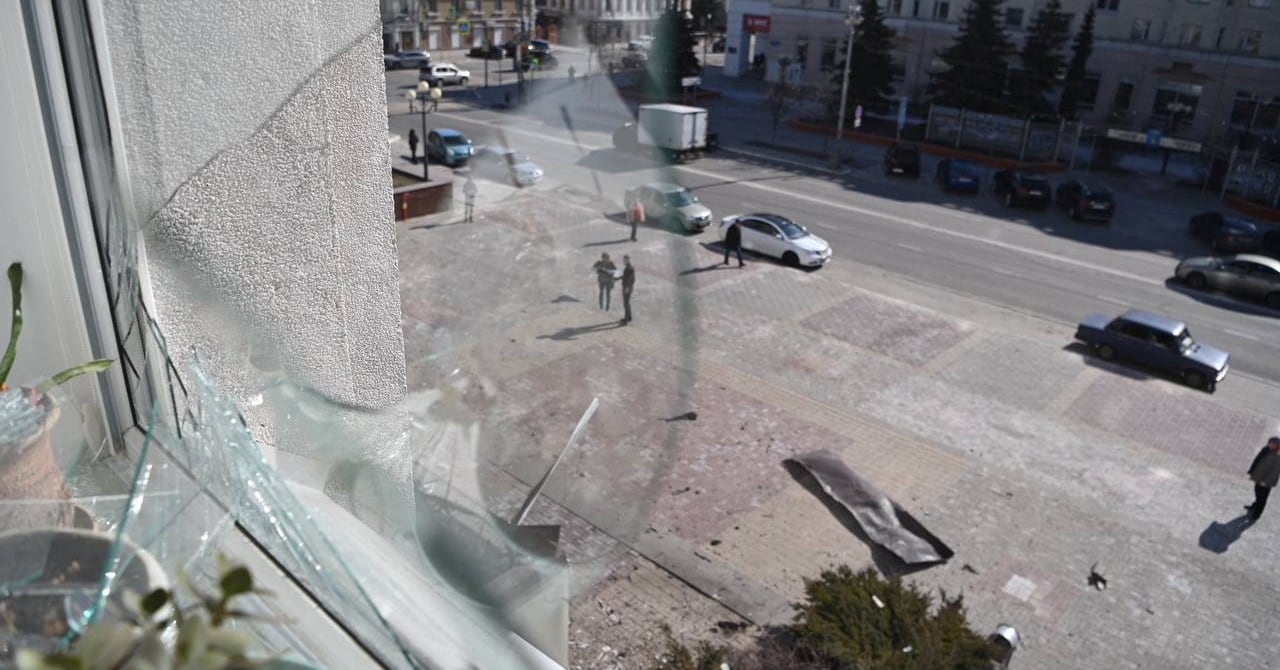
A senior Ukrainian intelligence official stated that armed groups, described as Russians opposed to the Kremlin, have turned two border regions into "active combat zones," while the governor of one of the Russian regions hit by the attacks claimed that hostile troops were no longer present. Three Ukraine-based groups issued statements about armed operations in Belgorod and Kursk regions, urging residents to evacuate for their safety. Russian military bloggers reported Russian paratroops being dispatched to the affected areas, and Russian officials have previously portrayed these groups as puppets of the Ukrainian military and the U.S. Central Intelligence Agency.

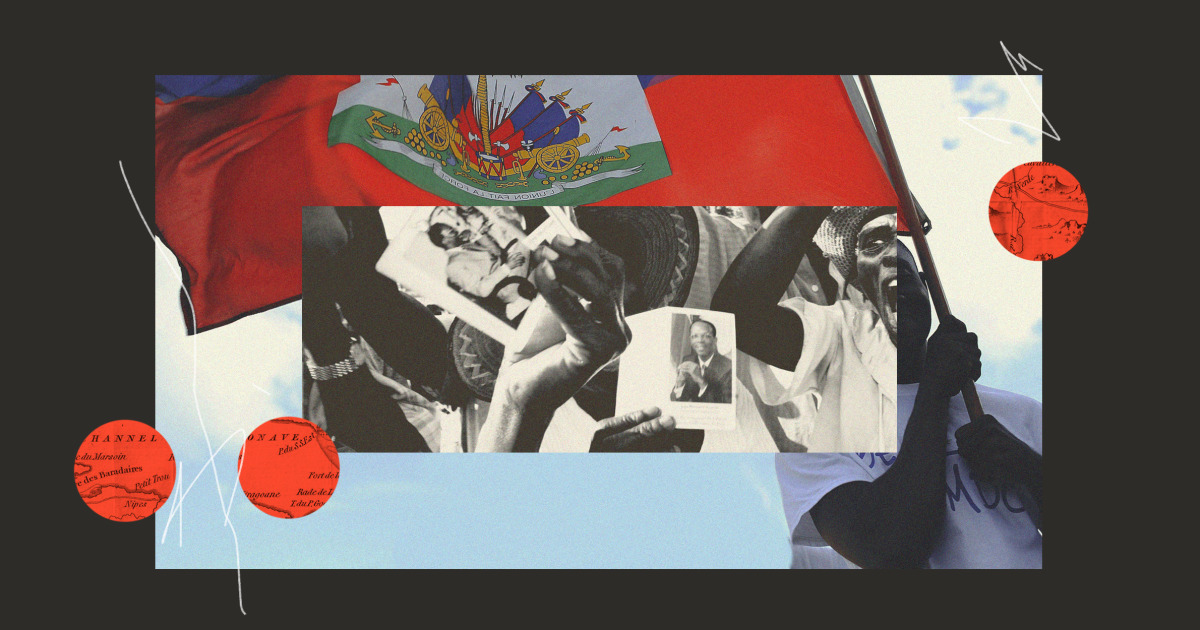
The ongoing crisis in Haiti, marked by violence and political instability, is rooted in the 2004 U.S.-backed coup against the country's first democratically elected president, Jean-Bertrand Aristide. The current unelected Prime Minister Ariel Henry is facing calls for resignation amidst widespread unrest and armed groups. The U.S. military conducted an overnight mission to airlift nonessential staff out of Haiti, while Caribbean leaders have called for an emergency meeting to address the dire situation. The crisis is exacerbated by the involvement of paramilitary forces, former military and police officers, and the funding of armed groups by the Haitian oligarchy.

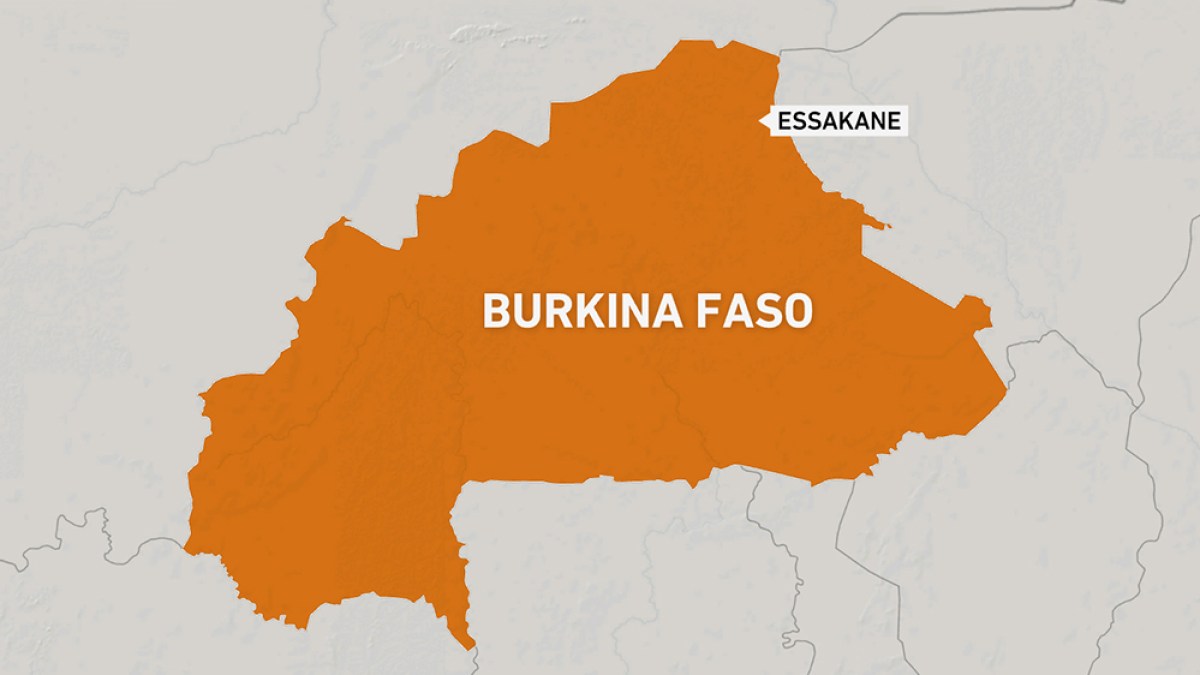
Gunmen attacked a Catholic church in the northern village of Essakane, Burkina Faso, killing at least 15 worshippers during Sunday mass. The attack, labeled as a "terrorist attack" by church officials, left 12 dead at the scene and three others succumbed to their injuries later. The region has been plagued by armed group violence, with some attacks targeting Christian churches and clergy abductions. Burkina Faso's military rulers have struggled to restore peace in the conflict-hit areas, exacerbated by porous borders with Mali and Niger, both facing security crises.

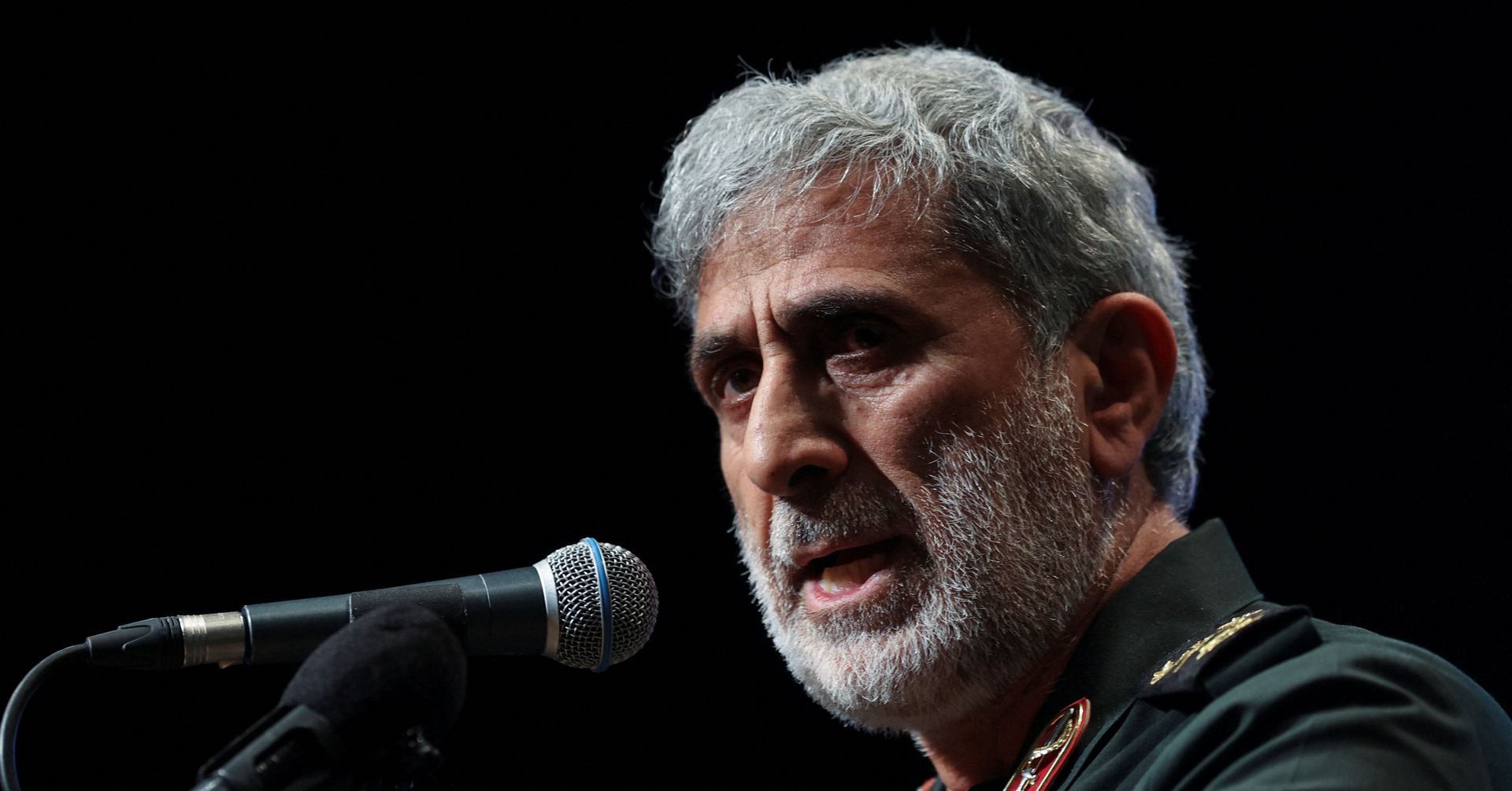
Iran's Quds Force commander, Esmail Qaani, visited Baghdad and met with Iran-aligned armed groups, urging them to halt attacks on U.S. forces to avoid escalation. The pause in attacks allowed talks to resume over the future of U.S. troops in Iraq, with the Iraqi government seeking to prevent the country from becoming a battleground for foreign powers. The U.S. asserts Iran's control over armed groups, while Iran says they operate independently. The lull in attacks may be temporary, as some factions vow to resume operations in response to recent killings.

The UN Security Council has unanimously voted to gradually withdraw its peacekeeping operations in the Democratic Republic of the Congo (DRC) earlier than scheduled, despite ongoing concerns over violence. The decision comes as the DRC prepares for presidential and parliamentary elections, where poverty and insecurity are key issues. Congolese authorities have long accused the UN forces of failing to protect civilians from armed groups. The withdrawal of the 14,000 soldiers from the UN mission, known as MONUSCO, was called for by DRC President Felix Tshisekedi, who is running for re-election.

The Democratic Republic of the Congo is preparing for presidential and parliamentary elections amidst rising tensions and ongoing conflicts with armed groups in the east. Over 120 groups are fighting for land and resources, with some allegedly backed by neighboring countries. Incumbent President Felix Tshisekedi, who came to power in 2019, is seeking a second term but faces criticism for not addressing corruption and failing to distribute the country's vast mineral wealth. His main challenger is Moise Katumbi, a wealthy businessman and former governor. Concerns about transparency and freedom of expression persist, while violence continues in the east. Displaced people and security issues pose challenges to the electoral process.