
Glasgow duo Timorous Beasties celebrate decay and urban grit in new 'Toile Tales' book
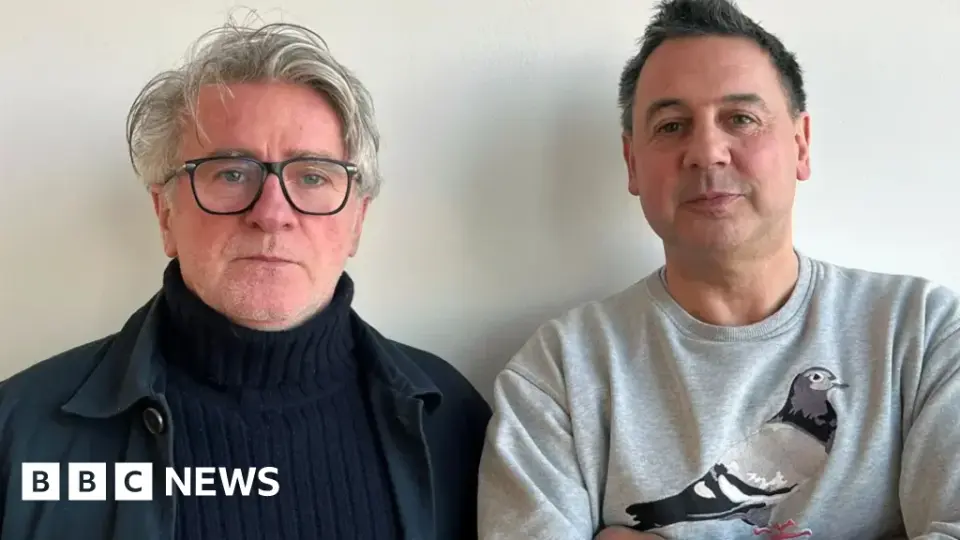
Glasgow-based design studio Timorous Beasties, founded by Alistair McAuley and Paul Simmons in 1984, has built a reputation for subversive textile and wallpaper designs that focus on nature’s darker aspects and social commentary. The duo, who met at Glasgow School of Art, rejects traditional floral motifs in favor of imagery depicting decay, predation, and hidden urban narratives. Their latest project, 'Toile Tales,' features 21 illustrations by Simmons that inspired writer Steven Richardson to create accompanying fables, reversing the usual text-to-image dynamic. The studio, which still uses traditional hand-printing techniques, has produced work for high-profile clients including Kate Bush, the UK Supreme Court, and Royal Bank of Scotland. Despite the rise of digital manufacturing, the founders emphasize that technology is a tool, not a substitute for creativity, and advise emerging designers to remain focused while embracing experimentation.
Key points
- Alistair McAuley and Paul Simmons founded Timorous Beasties in 1984 after meeting at Glasgow School of Art.
- The studio specializes in 'toile' designs that incorporate social commentary and references to Glasgow’s less tourist-friendly areas, such as the Maryhill church and local flats.
- Their new book, 'Toile Tales,' features 21 illustrations that inspired writer Steven Richardson to write fables, a reversal of their typical process.
- Notable clients include singer Kate Bush, for whom they designed album covers, and the Royal Bank of Scotland, which featured their wildlife designs on bank notes in 2016.
- The studio continues to use traditional hand-printing methods, including a printing table from the early years of the business, to maintain independence and quality.
- McAuley and Simmons advise new designers to use digital tools as aids but not as replacements for creativity, encouraging experimentation and resilience against failure.
Background
This story highlights the enduring legacy of a Scottish design studio that has operated for over four decades. While previous coverage in our archive focused on natural beauty in mountain towns, this article contrasts that by exploring how designers find aesthetic value in decay, urban grit, and the 'darker side' of nature. The Timorous Beasties have consistently challenged the conventional 'saccharine' nature of textile design by embedding complex social narratives into their patterns, a practice that predates the current pop culture trend of hidden references.
Why it matters
The story underscores the resilience of traditional craftsmanship in a digital age and the value of subversive artistic approaches in commercial design. By maintaining hand-printing techniques and focusing on unique, narrative-driven imagery, Timorous Beasties demonstrate that creativity and distinctiveness can thrive even in a crowded marketplace. Their success with major clients suggests that audiences and institutions are increasingly receptive to designs that offer depth and social commentary rather than just decorative appeal.
What to watch
The release of 'Toile Tales' may introduce new audiences to the studio’s work, potentially leading to further collaborations in publishing or design. As digital platforms continue to lower barriers for entry, the studio’s advice to young designers to remain focused and experimental may influence the next generation of textile artists. The ongoing impact of global conflicts and environmental laws on their business operations will likely continue to shape their production methods and material choices.
Want the full story? Read the original reporting
Read on BBC