
European aviation faces second wave of hoax bomb threats as 'Male State' denies involvement
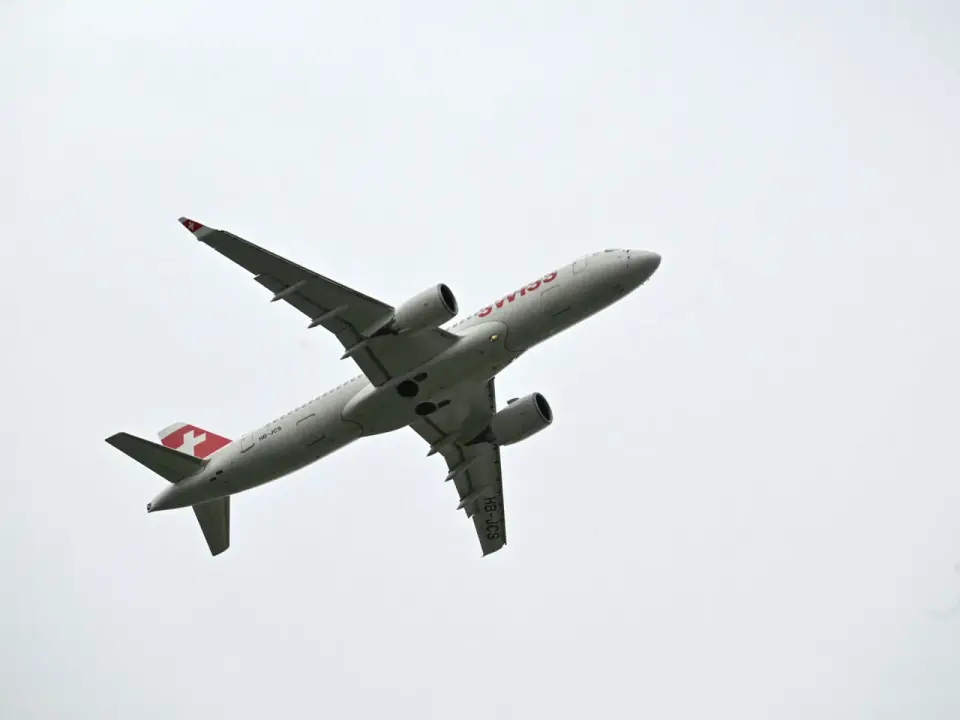
A second major wave of false bomb threats disrupted flights across 16 European countries on November 5-6, 2026, forcing diversions and fighter jet escorts. No explosives were found, but the coordinated nature of the alerts has raised concerns about hybrid warfare. While the UK government labels the incidents 'malicious hoaxes,' the Russian extremist group 'Male State' has denied responsibility, despite being named in initial threat emails sent to Italian airports.
Key points
- At least 17 flights were disrupted by midday on November 6, following a previous wave of 18 incidents on November 5, affecting countries including Italy, Poland, Spain, and Denmark.
- Hungarian authorities scrambled fighter jets three times to escort aircraft, including a WizzAir flight from Brussels to Sofia, while Italian Air Force jets escorted a Finnair plane into Rome.
- Security inspections across all affected aircraft found no explosives or suspicious materials, and no passengers were harmed during the incidents.
- The initial threat email sent to Rome’s Fiumicino airport was written in perfect Italian and referenced the 'Male State,' a Russian extremist group banned in 2021, though the group has since denied involvement.
- Italian Defense Minister Guido Crosetto described the events as part of a 'strategy to increase chaos,' linking them to recent cyberattacks on supermarket refrigeration systems in Europe.
Background
This development follows a series of similar disruptions earlier this week. On November 3, coordinated threats affected flights in Warsaw, Spain, and Bulgaria, while November 5 saw a second major outbreak involving 18 flights. These incidents have prompted EU officials to investigate potential links to hybrid warfare tactics, though no definitive attribution has been made.
How outlets are covering it
Al Jazeera emphasizes the scale of the disruption, noting that threats affected planes from 16 countries and that authorities are treating the alerts as credible enough to require immediate security inspections. BBC focuses on the attribution debate, highlighting that while the 'Male State' group denied involvement via Telegram, Italian media and officials suspect Russian-linked actors. BBC also notes that the threat email originated from an address linked to Colombian health services, adding to the confusion over the source. Both outlets agree that no explosives were found, but Al Jazeera highlights the financial impact, noting that each disruption can cost airlines up to $250,000, while BBC focuses on the political implications of 'hybrid threats' and the potential for further coordinated attacks.
Why it matters
The repeated, coordinated nature of these hoax threats exposes vulnerabilities in European aviation security and raises concerns about state-sponsored or proxy hybrid warfare. The incidents have forced airlines to implement costly security protocols and diverted flights to military bases, disrupting travel and increasing operational costs. As authorities struggle to identify the perpetrators, the events highlight the growing threat of cyber-physical attacks on critical infrastructure in Europe.
What to watch
European authorities are expected to continue investigating the source of the threats, with a focus on determining if the incidents are coordinated or the work of copycats. Airlines may face increased security costs and operational delays as they implement stricter threat assessment protocols. The EU may also review its aviation security frameworks to better handle such coordinated disruptions, while intelligence agencies will monitor for further hybrid attacks targeting critical infrastructure.
- Hoax or bomb threats? What we know about flight disruptions across Europe Al Jazeera
- Wave of Bomb Hoaxes Leaves European Travelers Peeved, Not Panicked The New York Times
- Russian extremist group denies sending hoax bomb threats BBC
- Bomb scare forces diversion of Prague-Rome flight to Venice Reuters
- European air traffic targeted by new threats in at least 3 incidents AP News
Want the full story? Read the original reporting
Read on Al Jazeera