
UK Air Traffic System Glitch Cripples 425 Flights, Sparks Calls for NATS CEO to Resign
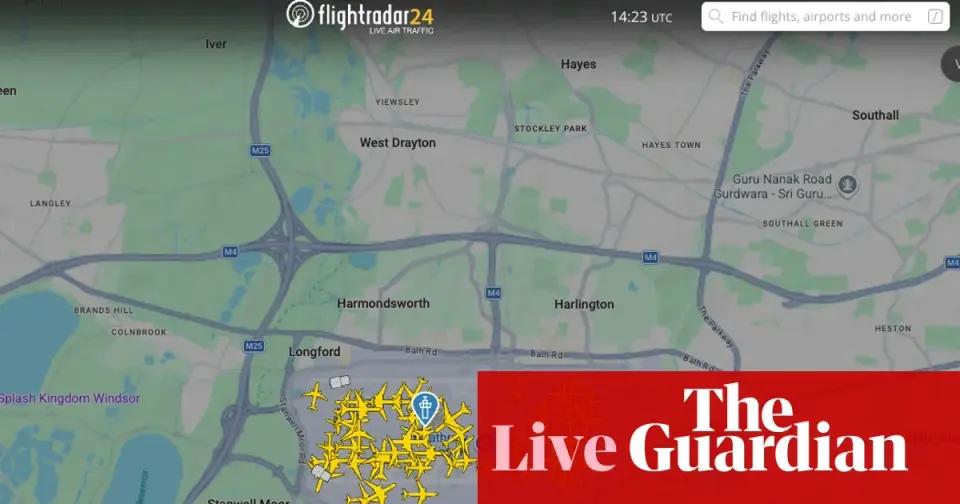
A technical failure in the UK’s National Air Traffic Services (NATS) system caused widespread flight cancellations and delays across major airports on Tuesday. By 5 pm, 425 flights had been cancelled, with Heathrow and Gatwick experiencing the most severe disruptions. NATS confirmed a fix was implemented and the system was 'starting to recover,' but warned that full recovery would take time. Airlines, including Ryanair and British Airways, reported significant delays, with Ryanair citing 65,000 affected passengers. The incident has triggered calls for the resignation of NATS CEO Martin Rolfe, with critics highlighting a pattern of system failures since 2023.
Key points
- NATS implemented a fix for a technical issue affecting flight departures, stating the system is 'starting to recover' but recovery will take time.
- 425 flights were cancelled to and from UK airports by 5 pm, with Heathrow and Gatwick being the most affected.
- Ryanair reported 65,000 passengers delayed, with delays lasting up to 8 hours, and called for NATS CEO Martin Rolfe to resign.
- Passengers reported 'zero communication' from airlines, with some stranded for hours and unable to access food or beverages.
- Transport Secretary Heidi Alexander acknowledged the issue, stating technicians were fixing it and apologizing for the frustration caused to passengers.
Background
This incident follows a pattern of technical failures in UK air traffic control systems, including a major meltdown in 2023. NATS CEO Martin Rolfe had previously defended the system, claiming only four incidents in 12 years, but critics argue that repeated failures indicate systemic issues. The 2026-08-15 archive articles highlight the critical role of air traffic control in preventing near-misses, such as the Phoenix incident where two American Airlines flights shared the same callsign, underscoring the importance of robust ATC systems.
How outlets are covering it
The Guardian and BBC both reported on the scale of the disruption, with the Guardian emphasizing the number of cancelled flights (425) and the BBC highlighting passenger experiences, such as a couple stranded for nine hours on a tarmac. Ryanair, as reported by both outlets, was the most vocal critic, demanding the resignation of NATS CEO Martin Rolfe, citing 'repeated mismanagement' and 'abhorrent failure.' Airlines UK, as reported by the BBC, wrote to the Transport Secretary, calling the incident the 'third major system failure at NATS in three years' and stating that 'this kind of failure simply cannot happen again.' The BBC also noted that Labour MP Tom Hayes called for Rolfe's resignation, while the Guardian reported that Transport Secretary Heidi Alexander apologized for the disruption but did not comment on Rolfe's leadership.
Why it matters
The incident highlights the vulnerability of UK air traffic control systems and the potential for widespread disruption to passengers and airlines. The repeated failures since 2023 raise questions about the reliability and resilience of NATS, as well as the accountability of its leadership. The financial and emotional impact on passengers, including lost holidays and missed connections, underscores the need for improved systems and communication from airlines and air traffic control providers.
What to watch
NATS is expected to continue working with airlines and airports to recover from the technical issue, with full recovery potentially taking until the evening. Airlines are likely to face increased costs due to the disruption, and passengers may seek compensation for cancelled or delayed flights. The incident may lead to further scrutiny of NATS and its leadership, with potential calls for regulatory changes or leadership changes in the air traffic control sector.
- Recovery from UK flight disruption ‘will take some time’, as several airports affected – business live The Guardian
- Flight delays and cancellations at number of UK airports due to air traffic control issue BBC
- Live Airport delays expected due to UK air traffic control issues RTE.ie
- Air traffic control issue disrupts departing flights at major UK airports Reuters
- Full list of affected airports as flight chaos hits UK The Independent
Want the full story? Read the original reporting
Read on The Guardian