
North Korea’s DMZ Fortification: A Sovereign Border, Not a War Prelude
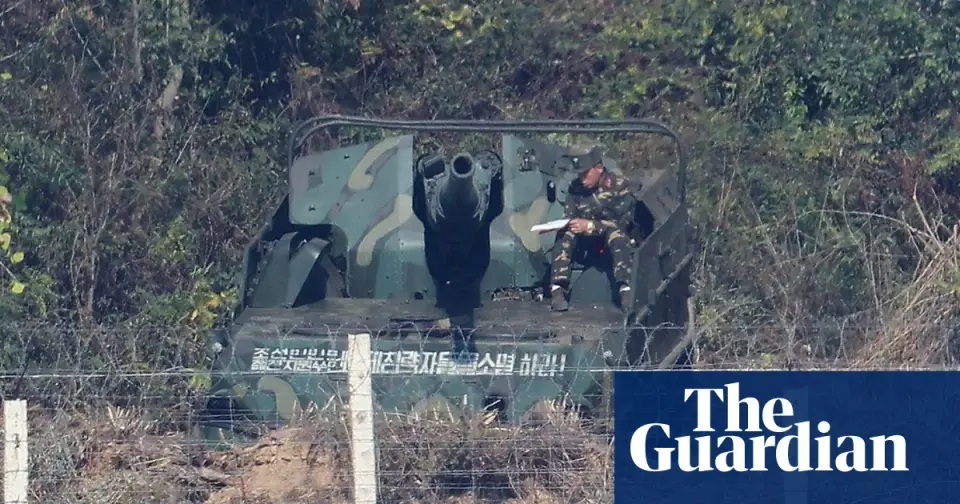
North Korea is transforming the Demilitarized Zone (DMZ) from a temporary buffer into a hardened national border. Since 2024, Pyongyang has laid approximately 960,000 mines and constructed a continuous barrier of wire fencing, tactical roads, and anti-tank obstacles. This physical fortification aligns with a 2023 doctrinal shift that redefined the South as a hostile state rather than a potential reunification partner. Recent incidents, including a September landmine explosion that injured three South Korean soldiers, have escalated tensions, but analysts argue the buildup aims to entrench sovereignty rather than initiate war.
Key points
- North Korea has laid roughly 960,000 mines in the DMZ since 2024, constituting nearly half of the total mines in the area.
- Construction of a continuous physical barrier, including wire fencing and tactical roads, is 40-60% complete and expected to finish by late 2028.
- A September 21 landmine explosion injured three South Korean soldiers; Seoul blames Pyongyang, while North Korea calls it a 'self-staged farce'.
- The 1953 Armistice’s Military Demarcation Line (MDL) is ambiguous, with only about 200 of 1,292 original markers still identifiable.
- North Korea’s 2026 constitutional amendment legally defines its territory as bordered by South Korea, codifying the separation of the two states.
Background
This development follows a series of escalations in late 2026, including North Korea’s launch of 10 short-range ballistic missiles on October 29 and Kim Yo-jong’s threats to resume propaganda loudspeakers. These actions occurred after Seoul notified the UN Security Council of the September mine incident. The current fortification effort is part of a broader strategic pivot away from reunification goals, a shift that began in December 2023 when Kim Jong-un redefined inter-Korean relations as those between two hostile states.
How outlets are covering it
The Guardian and Lowy Institute emphasize that the fortification is a political and legal project to establish sovereignty, not a prelude to war. Lowy Institute notes that the vegetation around the mine blast site suggests the device was laid long ago, undermining claims of an immediate offensive intent. 38 North provides granular details on the physical construction, highlighting the installation of three-layer electrified fencing and new artillery positions near Ganghwa Island. While South Korea views the construction as an armistice violation, the UN Command maintains that fortification does not automatically constitute a breach, requiring case-by-case assessment. The sources agree that the ambiguity of the MDL, with only 200 identifiable markers, is a primary driver of accidental clashes, with North Korean troops crossing the line approximately 50 times in August and September alone.
Why it matters
The militarization of the DMZ signals a permanent end to the possibility of reunification, transforming a temporary ceasefire line into a hardened international border. This shift increases the risk of accidental escalation due to the erosion of communication channels and the ambiguity of the border line. For South Korea, resolving the border dispute may require legal changes to its constitution, which currently claims sovereignty over the entire peninsula, creating a complex diplomatic dilemma between maintaining security and acknowledging North Korea’s de facto sovereignty.
What to watch
South Korea has proposed talks to jointly confirm the MDL and restore military communication channels, but Pyongyang has ignored previous offers. Construction of the border barrier is expected to be completed by the second half of 2028. In the interim, Seoul is likely to expand guard posts and deploy robotic mine-clearing systems to mitigate risks without escalating tensions. The return of propaganda loudspeakers and potential tit-for-tat responses could trigger further incidents if communication channels remain severed.
- Why is North Korea fortifying its border with South Korea? The Guardian
- North Korea Continues Installing New Fencing 38 North
- South Korea to respond firmly to North Korean breaches of border, security aide says Reuters
- Almost a million extra mines on the DMZ – and it’s not about war Lowy Institute
- Foreign Minister Cho Hyun answers lawmakers' questions at National Assembly audit 헤럴드경제
Want the full story? Read the original reporting
Read on The Guardian