
Netanyahu’s ‘Stolen Election’ Claims Face Scrutiny as Israel Awaits Final Vote Certification
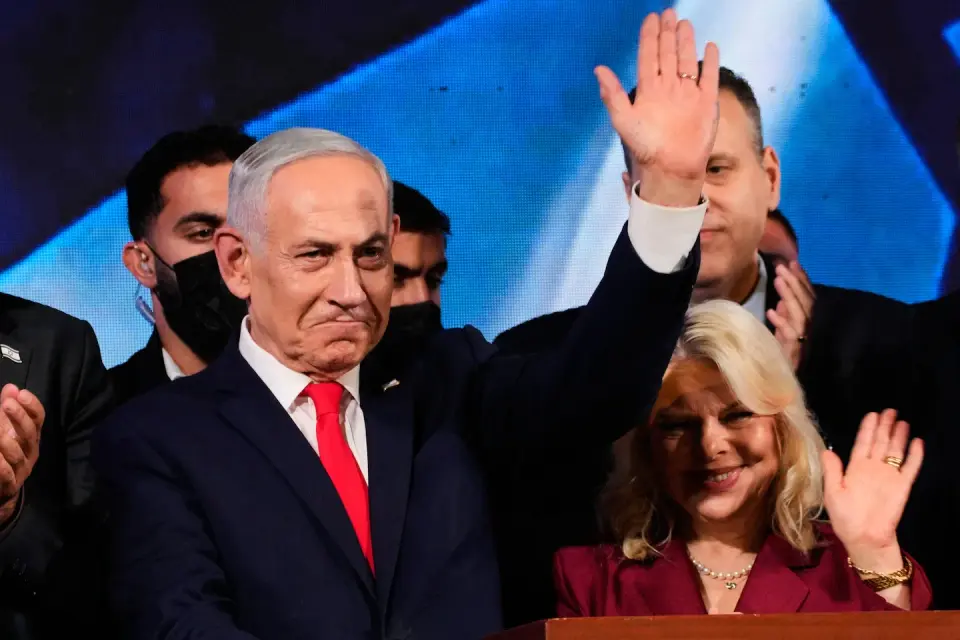
Israeli Prime Minister Benjamin Netanyahu is attempting to delegitimize the October 27 election results by alleging widespread fraud by Arab-led parties, despite official bodies confirming the vote's integrity. While the opposition bloc holds 67 seats and Netanyahu’s coalition holds 53, neither has the 61-seat majority required to govern. A formal investigation into alleged foreign interference has been launched, but critics argue Netanyahu is using these claims to block coalition talks with Arab parties and delay the certification of results.
Key points
- Netanyahu’s Likud party claims the election was stolen by Arab parties, citing the arrest of three Ra'am activists suspected of bribery, though police state there is no evidence of widespread fraud.
- The Central Elections Committee ordered the Shin Bet to investigate alleged foreign funding from entities like Qatar and Turkey, but the agency stated the vote was 'safe and secure' and the probe is narrowly defined.
- Opposition leader Gadi Eisenkot warns that Netanyahu is exploiting the situation to delay the swearing-in of the new parliament, which is scheduled for November 10.
- Arab-led parties won a record 19 seats, making them pivotal to forming a government, as the opposition bloc (67 seats) needs their support to reach the 61-seat majority.
- Netanyahu’s coalition lost 11 seats, leaving it with 53 seats, while the opposition holds 48 seats plus the 19 Arab seats, creating a complex coalition landscape.
Background
This election follows a period of heightened tensions, including Netanyahu’s recent disputes with former US President Barack Obama over land claims and ongoing conflicts in Gaza and the West Bank. The election results have left Israel in a political stalemate, with no clear winner and significant divisions over military service exemptions for ultra-Orthodox populations and the treatment of Palestinians.
How outlets are covering it
The Washington Post and Axios emphasize Netanyahu’s attempt to delegitimize the election results to maintain political power, noting that his claims of fraud lack evidence. AP News highlights the uncertainty surrounding the final results and the potential for a historic alliance between Jewish and Arab parties. The Jerusalem Post focuses on the specific arrests of Ra'am activists and Netanyahu’s direct involvement in the investigation, while also noting the denial by Ra'am party chairman Mansour Abbas of any foreign interference. All sources agree that the election has left Israel in a deadlock, with no bloc securing the necessary majority to govern.
Why it matters
The outcome of this election will determine the direction of Israeli politics, including the potential for a new government that includes Arab parties, which has never happened before. The investigation into foreign interference and the debate over the validity of the election results could have significant implications for Israel’s international standing and its relationships with Arab countries. Additionally, the delay in forming a government could lead to further political instability and potential new elections.
What to watch
The final election results are expected to be certified by November 4, with the new parliament sworn in on November 10. President Isaac Herzog will lead consultations to form a government, and if a government cannot be formed, Israel may face new elections early next year. The investigation into foreign interference is expected to conclude within a week, and the outcome will likely influence the coalition negotiations.
- Netanyahu alleges stolen election as he seeks political survival amid uncertainty The Washington Post
- Netanyahu’s party claims election ‘stolen’ as results show him losing majority AP News
- Netanyahu's chief of staff provided intel. leading to arrests in Ra'am vote bribery case - report The Jerusalem Post
- After losing his majority, Netanyahu tries to delegitimize election results Axios
- Election committee chief instructs Shin Bet to probe suspicion of foreign influence on vote The Times of Israel
Want the full story? Read the original reporting
Read on The Washington Post