
Second Houthi Strike on Riyadh Airport Kills 13, Heightening US Intervention Debate
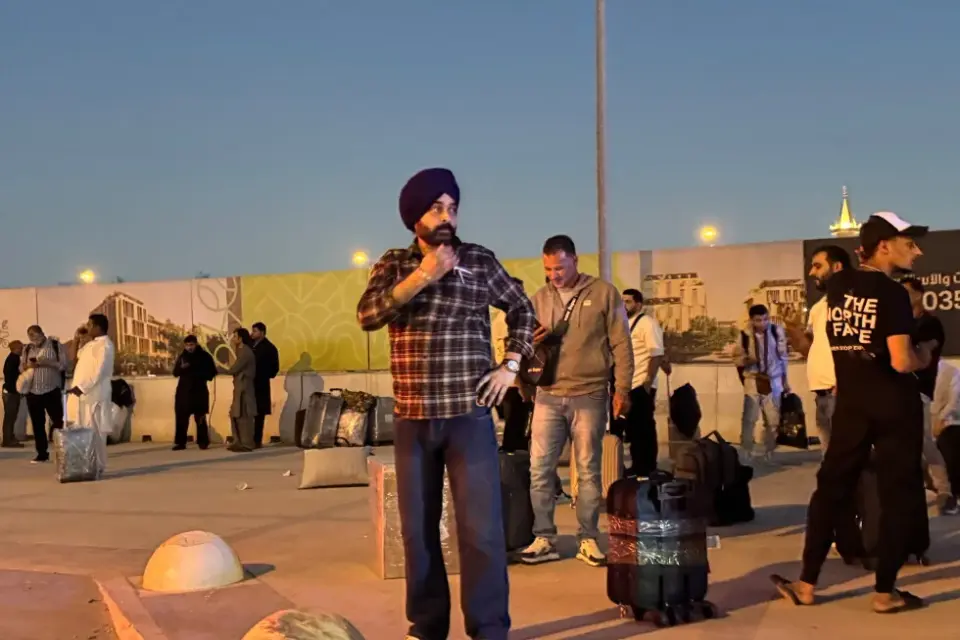
King Khalid International Airport in Riyadh suffered a second strike in two days, killing 13 people and injuring over 300. The Houthis claimed responsibility, targeting Saudi aviation and oil infrastructure. President Trump is weighing direct US military involvement, while global airlines suspend flights and the Saudi-led coalition vows retaliation.
Key points
- A projectile hit Passenger Hall No. 4 at Riyadh’s King Khalid International Airport on Sunday, causing a fire and injuries, following a Saturday strike that killed 13.
- The Houthis claimed responsibility for the attacks, using ballistic missiles, cruise missiles, and drones, and warned airlines to avoid Saudi airspace.
- Victims of the Saturday strike included citizens from Saudi Arabia, the US, Egypt, Jordan, Palestine, Syria, Sudan, and Bangladesh.
- President Trump stated the US is considering joining Saudi military operations against the Houthis, while the UK and other allies condemned the attacks.
- The Saudi-led coalition labeled the strikes a 'war crime' and vowed a strong response, as fighting in Yemen escalates near the Bab el-Mandeb strait.
Background
This escalation follows the collapse of a 2022 ceasefire between the Houthis and Saudi-led forces. Previous attacks on Saudi energy infrastructure and airports in September and early October have already disrupted global oil markets and aviation routes. The current conflict is intertwined with the broader Iran war, with the Houthis acting as a proxy for Tehran.
How outlets are covering it
AP News and CBS News emphasize the human toll, detailing the nationalities of the 13 killed and the 309 injured. BBC highlights the Houthi military strategy, noting the use of mixed missile types and the targeting of Dammam airport and oil facilities. NBC News focuses on the geopolitical implications, particularly Trump’s potential decision to join the fight and the lack of a clear military solution to the Yemen conflict. All sources agree on the severity of the escalation but differ in emphasis: AP and CBS focus on the immediate aftermath and victim details, while NBC and BBC analyze the strategic and diplomatic ramifications.
Why it matters
The strikes on Riyadh’s main airport threaten global aviation routes and energy security. They signal a significant escalation in the Yemen conflict, potentially drawing the US into a new regional war. The disruption of Saudi airspace and oil infrastructure could impact global oil prices and trade routes, particularly through the Red Sea.
What to watch
The US is expected to make a decision on military involvement in the coming days. The Saudi-led coalition is likely to launch retaliatory strikes against Houthi positions in Yemen. Airlines may continue to suspend flights to Saudi Arabia, and the UN may call for a ceasefire. The Houthis have vowed to continue their 'escalating operations' unless Saudi Arabia ceases its support for the Yemeni government.
- Passenger terminal at Riyadh airport is struck again, a day after 12 were killed AP News
- Iran war live: Injuries after new Houthi attack on Saudi Arabia’s airport Al Jazeera
- Saudi Arabia's Riyadh airport hit by second Houthi strike in two days BBC
- Saudi airport struck again a day after deadly attack NBC News
- At least 12 people killed, more than 300 injured in strike on Riyadh airport, Saudi officials say CBS News
Want the full story? Read the original reporting
Read on AP News