
Sanrio Ends Hello Kitty Partnership With Japanese Drama After Chinese Backlash
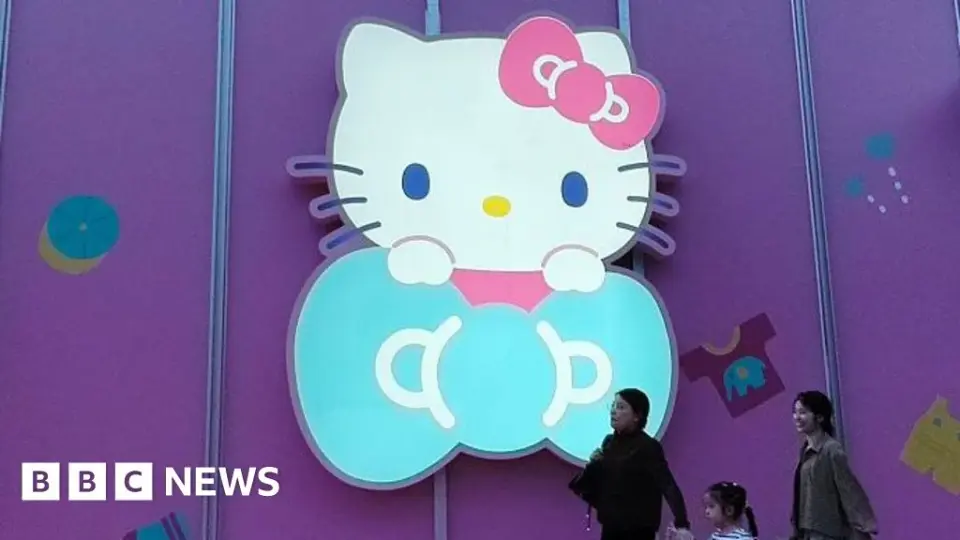
Sanrio, the creator of Hello Kitty, has terminated its merchandise collaboration with the Japanese spy drama 'Vivant' following intense backlash in China. The decision follows criticism from Chinese state media and social users over the show's depiction of torture, which they argued distorted historical realities and conflicted with Sanrio's brand values. The company stated it will strengthen review processes for future partnerships to ensure alignment with its philosophy of harmony.
Key points
- Sanrio ended its collaboration with the TV series 'Vivant' after Chinese state media and social media users criticized the show's depiction of Chinese agents torturing a Japanese spy.
- The controversy involved merchandise featuring Hello Kitty, My Melody, and Cinnamoroll dressed as characters from the drama, which Chinese critics argued contradicted Sanrio's core values of care and connection.
- Sanrio issued an apology, stating the collaboration contained elements inconsistent with its corporate philosophy of fostering harmony, and pledged to strengthen review processes for future projects.
- Chinese state outlet Global Times warned that Sanrio risks losing long-term trust and emotional bonds with Chinese consumers by associating with content they view as anti-China or historically distorted.
- The incident occurs amid strained China-Japan relations, which have deteriorated since Japanese Prime Minister Sanae Takaichi's comments on Taiwan last November, leading to various diplomatic and economic pressures.
Background
This incident highlights the sensitivity of cultural exchanges between China and Japan in the current geopolitical climate. While Sanrio has previously expanded its presence in China, including a partnership with SEGA for Sonic Racing: CrossWorlds in late 2026, the company now faces scrutiny over its content choices. The broader context includes rising tensions in East Asia, where diplomatic friction has led to restrictions on tourism and rare earth exports, making brand reputation a critical asset for Japanese companies operating in the Chinese market.
How outlets are covering it
BBC reports that Sanrio terminated the partnership after determining it conflicted with its core values, emphasizing the company's commitment to harmony and its intention to improve review processes. In contrast, Global Times frames the issue as a moral failure, arguing that Sanrio should not associate with 'Japan's right wing' or content that distorts historical truths regarding Japan's wartime actions. Global Times emphasizes the financial risk to Sanrio, noting that China is a vital market where revenue surged 40% year-on-year in the first half of 2026, and warns that such collaborations damage the brand's credibility. While BBC focuses on the corporate response and apology, Global Times highlights the broader narrative of Japanese pop culture being used for 'cognitive warfare' and the need for brands to uphold historical accuracy.
Why it matters
The episode underscores the increasing intersection of pop culture and geopolitics in East Asia. For global brands like Sanrio, navigating sensitive historical and political narratives is crucial to maintaining market access and consumer trust. The backlash demonstrates that Chinese consumers and state media are vigilant about cultural products that they perceive as disrespectful or historically inaccurate, potentially influencing future collaboration strategies for Japanese entertainment companies seeking to expand in China.
What to watch
Sanrio has committed to strengthening its review processes for all future collaborative projects to prevent similar incidents. The company will likely face continued scrutiny from Chinese consumers and media regarding its brand alignment with pacifist values. Meanwhile, the diplomatic tensions between China and Japan may persist, with potential impacts on other cultural and commercial exchanges. Sanrio's ability to recover its reputation in China will depend on its actions and public statements in the coming months.
- Hello Kitty maker ends collab with Japanese spy drama after backlash in China BBC
- Hello Kitty Owner Sanrio Axes Japan Show Ties After China Furor Bloomberg
- Hello Kitty owner Sanrio scraps Japanese TV show Vivant deal over China backlash South China Morning Post
- Hello Kitty should not dance with Japan’s right wing: Global Times editorial Global Times
- Chinese media say Japan TV show 'Vivant' torture scenes 'stoke hostility' Nikkei Asia
Want the full story? Read the original reporting
Read on BBC