
Third Russia-Africa Summit in Moscow Focuses on Security and Trade Amidst Growing Military Ties
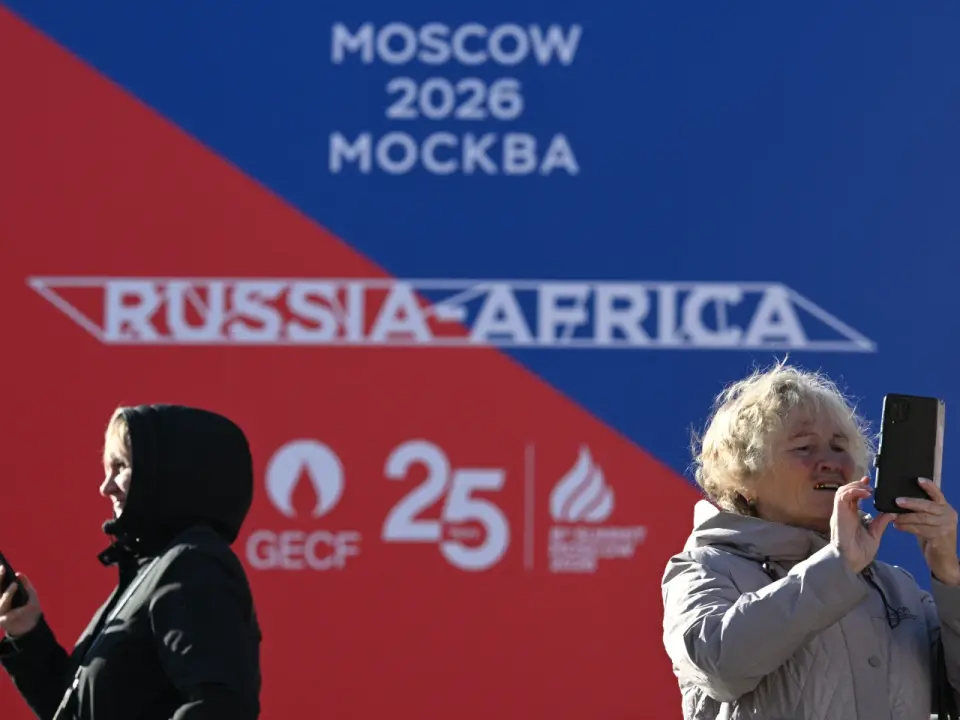
The third Russia-Africa Summit concluded in Moscow on October 29, bringing together leaders from 48 African nations to discuss trade, security, and technology. Chaired by Russian President Vladimir Putin and African Union chair Evariste Ndayishimiye, the two-day event featured over 40 sessions and 100 speakers. While trade between the regions has grown to over $28 billion, analysts note that Russia’s influence in Africa is driven more by security cooperation than commercial exchange. The summit aims to finalize a partnership plan for 2027-2029, though it faces scrutiny over the recruitment of African fighters for the war in Ukraine.
Key points
- The summit, held October 28-29 in Moscow, is the third of its kind, following previous gatherings in 2019 and 2023.
- Delegates from 48 African countries attended, including 22 heads of state, a slight increase from the 17 leaders present in 2023.
- The agenda covers trade, investment, technology transfer, food and energy security, healthcare, and education.
- Russia’s security presence in Africa has expanded significantly, with military missions or troops now present in at least nine countries, up from a few in 2023.
- Trade between Russia and Africa exceeded $28 billion, up from $16.8 billion in 2019, but remains overshadowed by China and the EU.
- A final declaration and a Russia-Africa Partnership Forum plan for 2027-2029 are expected to be adopted at the summit's conclusion.
Background
This event follows the first summit in Sochi in 2019 and the second in 2023. Recent developments in the region include allegations of war crimes by Russian mercenaries in Africa, as detailed in a former Wagner fighter's testimony and an Amnesty International report. The current summit occurs amid broader geopolitical shifts, including changes in EU-Canada relations and ongoing discussions about global energy supplies.
Why it matters
The summit serves as a critical indicator of the evolving relationship between Russia and Africa, particularly as Moscow seeks to counter Western sanctions through increased security and trade cooperation. The expansion of Russian military presence in the continent raises concerns about regional stability and the potential for further conflict. Additionally, the issue of recruiting African fighters for the war in Ukraine has become a diplomatic concern, with human rights organizations urging leaders to address these practices. The outcomes of this summit will likely shape future bilateral agreements and influence the geopolitical landscape in Africa.
What to watch
The summit is expected to conclude with a final declaration and a plan for the Russia-Africa Partnership Forum covering 2027-2029. Analysts suggest that side meetings between African delegations and Russian defense officials may be more significant than the main event, as they could reveal Moscow's plans to expand military ties. The recruitment of African fighters for the war in Ukraine remains a pressing issue, with Amnesty International urging leaders to demand an end to such practices. Future interactions will likely focus on deepening security and trade cooperation, though challenges related to human rights and geopolitical tensions may persist.
- Russia-Africa Summit: What is on the agenda, and why does it matter? Al Jazeera
- Putin woos African leaders, says Russia a better partner than 'colonial' West Reuters
- Russia in Africa: What does Putin hope to achieve? DW.com
- Russia is selling Africa dependence disguised as partnership Al Jazeera
- Putin Courts Africa Leaders at Moscow Summit to Expand Influence Bloomberg
Want the full story? Read the original reporting
Read on Al Jazeera