
Albania positions itself as a low-cost alternative to Turkey for European dental and hair transplant tourism
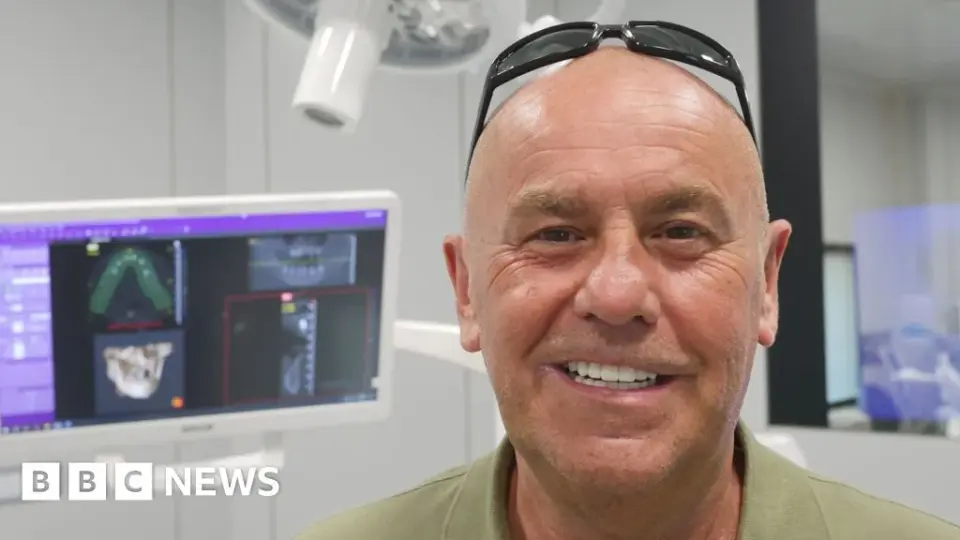
Albania is rapidly developing a medical tourism sector, particularly for dental work and hair transplants, aiming to attract Western Europeans seeking affordable alternatives to Turkey. Tirana alone hosts nearly 400 dental clinics, with prices for implants around €600 per tooth, significantly lower than in the UK or Germany. While the industry is growing due to low costs and improved air connectivity, concerns remain about unregulated operators and the need for government regulation to ensure safety and quality.
Key points
- Tirana has nearly 400 dental clinics, targeting international patients with English and Italian signage.
- Dental implants in Albania cost approximately €600 per tooth, comparable to Turkey but roughly one-fourth the price in the UK, France, or Germany.
- The UK Foreign Office has warned of complications and deaths among British nationals undergoing medical procedures in Turkey, driving some patients toward Albania.
- Albanian Prime Minister Edi Rama acknowledges the government is catching up to the industry's growth, with international arrivals doubling in five years.
- The Albanian Medical Tourism Association has been established to promote standards, though many operators are not yet members.
- Hair transplant clinics, including branches of Turkish brands like Vatanmed, are also expanding in Albania, leveraging the country's scenic appeal for post-procedure recovery.
Background
This development follows a broader trend of European patients seeking cost-effective medical care abroad, with Turkey traditionally dominating this market. Recent safety concerns regarding Turkish medical procedures have prompted some patients to explore alternative destinations. Albania's growing infrastructure and low costs make it a viable competitor, although it lacks the established regulatory framework of larger medical tourism hubs. This shift reflects a broader economic strategy for Albania to diversify its tourism offerings beyond traditional leisure travel.
Why it matters
The rise of medical tourism in Albania could significantly impact the country's economy and healthcare infrastructure, while offering Western Europeans a potentially safer and more affordable alternative to established hubs like Turkey. However, the lack of comprehensive regulation poses risks to patient safety and the industry's long-term reputation. The success of this sector will depend on the government's ability to balance growth with quality control and international standards.
What to watch
The Albanian government is expected to develop an official seal of approval for medical tourism facilities to ensure quality and safety. The Albanian Medical Tourism Association will likely work to increase membership and standardize practices. As air connectivity continues to expand, Albania may see a further increase in international patients, particularly from Italy and the UK, if it can successfully position itself as a reliable and high-quality alternative to Turkey.
Want the full story? Read the original reporting
Read on BBC