
Satellite data reveals 2026 heatwave's deep impact on Europe's glaciers, rivers, and corporate earnings
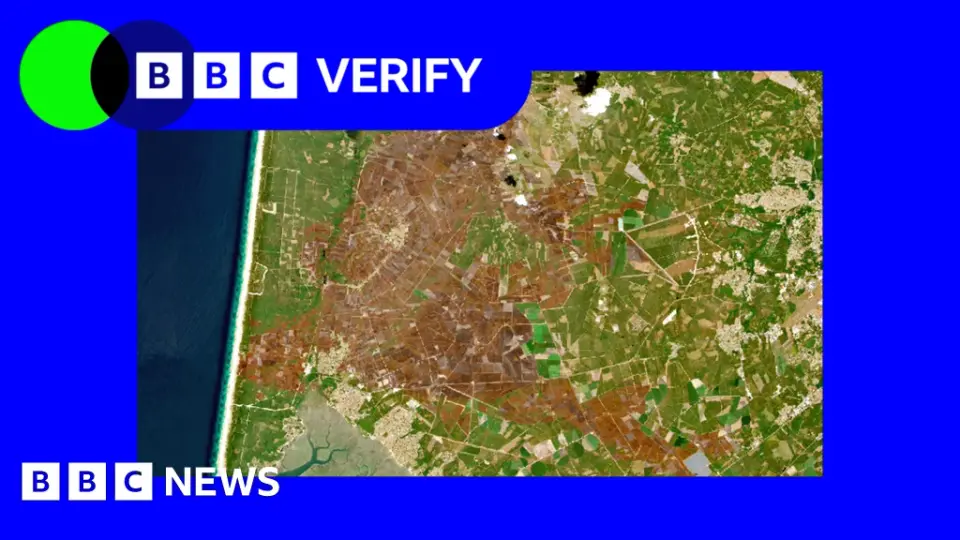
Satellite imagery confirms the 2026 European heatwave has caused severe physical and economic damage. Western Europe recorded its hottest June-to-July period on record, leading to record-breaking wildfires in France, historic low river levels, and accelerated glacial retreat. While some businesses saw a surge in demand for cooling products, others faced operational disruptions, with executives divided on whether this represents a new climate normal or an anomaly.
Key points
- Copernicus confirmed western Europe experienced its hottest June-to-July period on record, driven by persistent high-pressure systems and long-term climate change.
- The Danube River reached its lowest levels in 30 years, exposing a mammoth skeleton in Bulgaria and a sunken World War II warship in Serbia, while forcing nuclear plants in Hungary and Romania to reduce capacity.
- France recorded its worst wildfire year on record, with over 90,000 hectares burned, including a 42,000-hectare blaze in Gironde. Satellite NDVI data showed vegetation stress across 70% of France.
- Alpine glaciers, including the Rhône Glacier in Switzerland, retreated by at least 50 meters compared to the previous year, with experts warning of accelerated melting due to reduced winter snow cover.
- European companies mentioned extreme weather on a record 10% of earnings calls. Demand for fans and air conditioning surged, but businesses faced disruptions from drought and heat, with some executives calling 2026 a 'tipping point'.
Background
This summer follows a pattern of escalating extreme weather events in Europe, including the July 2026 evacuations in France and Spain and the August 2026 photo essays documenting widespread drought. The European Centre for Disease Prevention and Control had also warned in July that hotter summers were increasing risks for foodborne and mosquito-borne infections, highlighting the broader public health implications of the climate crisis.
How outlets are covering it
BBC Verify and Copernicus emphasize the physical and environmental devastation, using satellite data to document the scale of glacial retreat, river drought, and vegetation stress. The Financial Times focuses on the economic ripple effects, highlighting how companies are adapting to or suffering from the heat, with a notable divide between those viewing it as a permanent shift and those dismissing it as an anomaly. CNN's coverage was largely inaccessible due to a technical error, but its title suggests a focus on the combined economic impact of extreme weather and geopolitical conflict.
Why it matters
The 2026 heatwave is not just a weather event but a stress test for Europe's infrastructure, agriculture, and economy. The visible, long-term damage to glaciers and rivers, combined with the immediate economic disruptions, underscores the urgent need for climate adaptation and mitigation. The debate among business leaders about whether this is a 'new normal' or an aberration will likely shape future investment and policy decisions across the continent.
What to watch
Authorities and businesses will continue to monitor the impact of the heatwave, particularly on agriculture and energy production. The debate over whether 2026 represents a new climate baseline will likely intensify, influencing corporate strategies and government policies. Further satellite data and economic reports will provide a clearer picture of the long-term consequences of this extreme summer.
- Europe's scorched landscapes seen from space after summer heatwaves BBC
- Europe's heatwaves expose insurance gap as business losses mount Reuters
- Heat Is Hammering Europe, Again. Here’s What That Looks Like. The New York Times
- Europe’s economy faces a one-two punch from extreme weather and war CNN
- European companies count the costs and gains of extreme heat Financial Times
Want the full story? Read the original reporting
Read on BBC