Food Waste-Derived Beads Crack the Code on Low-Energy CO2 Capture
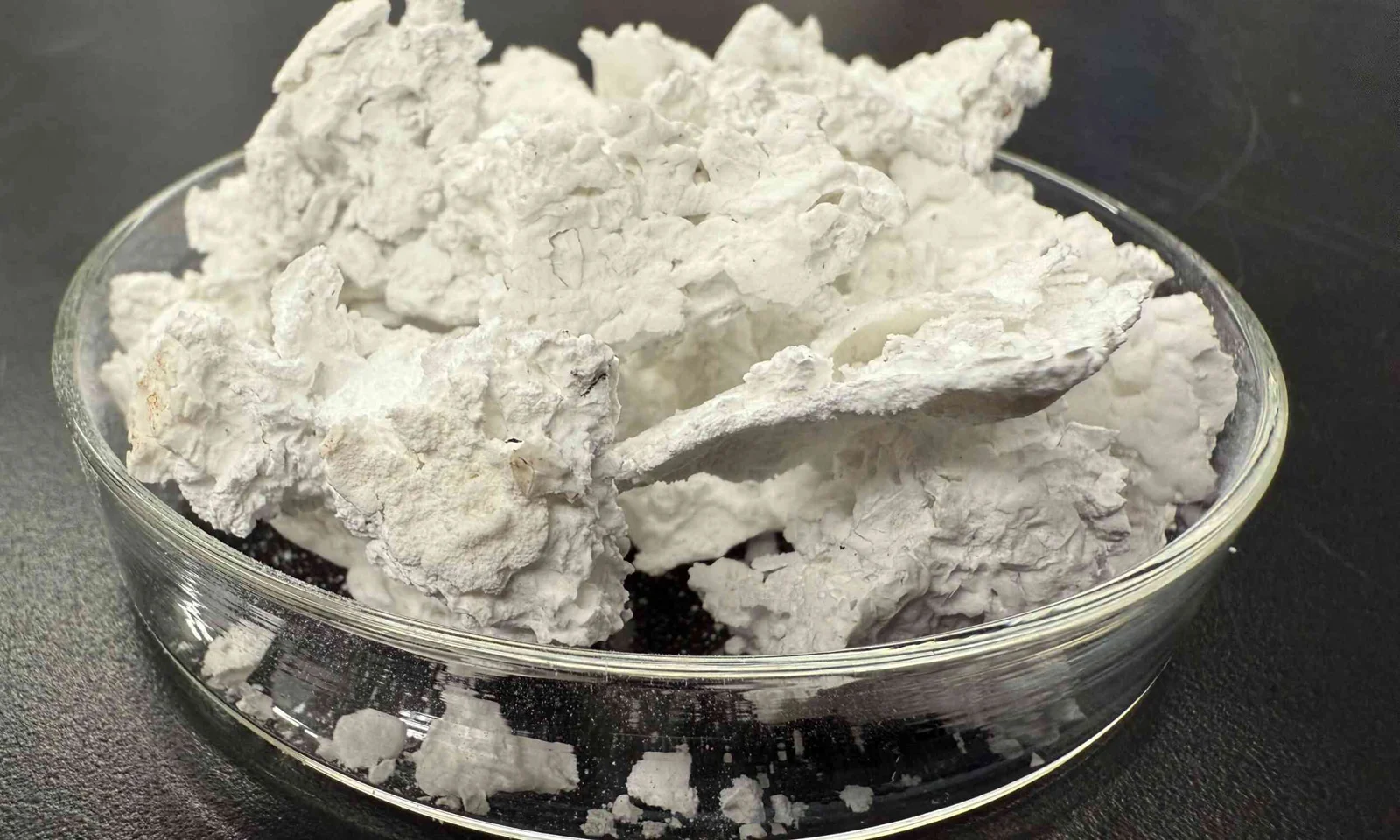
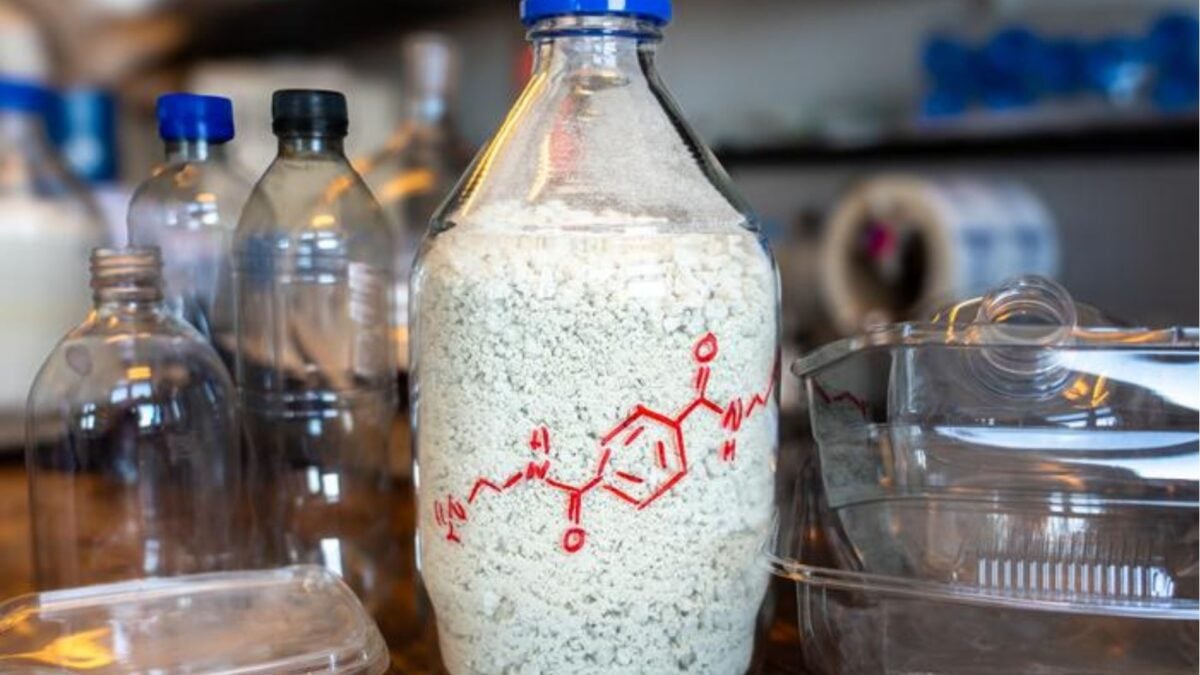
ETH Zurich researchers turned dairy and tofu waste into amyloid fibril–based beads that, when combined with potassium hydroxide, form porous spheres capable of absorbing CO2 from ambient air. In tests, 97 milligrams of CO2 were captured per gram of material; a kilogram could capture about 100 grams in a single cycle. CO2 is released by a simple spray of mild acid and base at room temperature, enabling reuse with little energy input. The beads are designed for a circular economy—they’re non-toxic, food-grade, and could be repurposed or biodegraded after use. A life-cycle analysis suggests lower environmental pollution than existing DAC methods. Scaling up remains to be proven, and cost per ton of CO2 removed is yet to be determined, but researchers are optimistic about industrial applicability.