
Puerto Rico’s Water Crisis Deepens as Drought and Infrastructure Failures Force 48-Hour Rationing
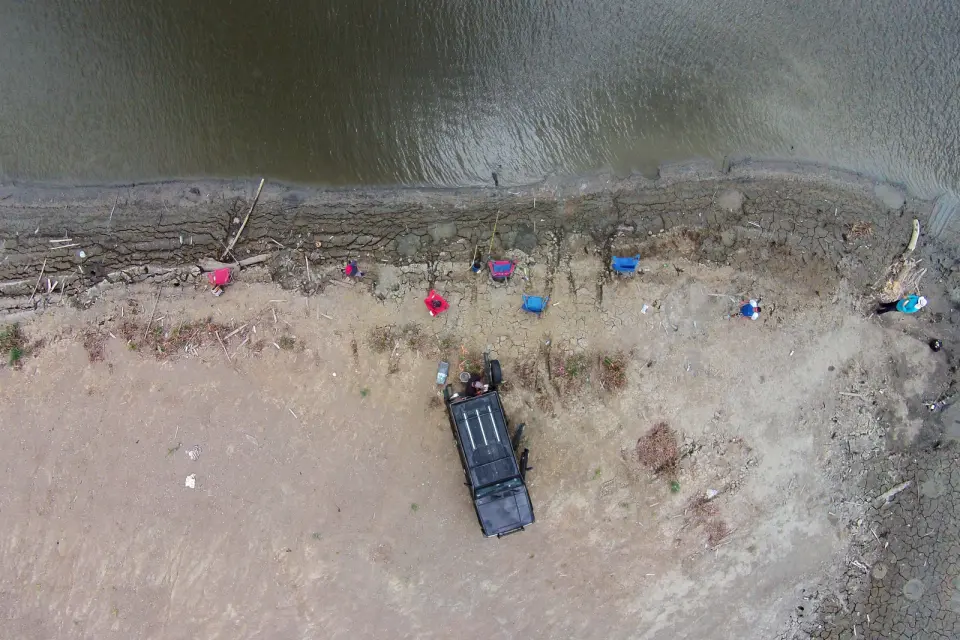
Puerto Rico is facing a severe water crisis, with over 500,000 people in San Juan and surrounding areas experiencing rotating 48-hour water outages. Governor Jenniffer González declared a state of emergency in late July as reservoir levels dropped critically low. The crisis stems from a combination of extreme drought, high temperatures, and decades of deteriorating infrastructure, including significant water leaks and sediment buildup in reservoirs. While FEMA is sending water trailers, residents are struggling to cope, and the government faces criticism for poor communication and management.
Key points
- Over 500,000 people in seven of Puerto Rico’s most populous municipalities are affected by rotating 48-hour water outages, with San Juan being the epicenter.
- Seventy-two percent of Puerto Rico’s land area is experiencing drought, exacerbated by high temperatures and a lack of rain in key reservoir areas like Carraízo.
- The crisis is compounded by decades of poor infrastructure maintenance, with approximately 65% of potable water lost to leaks or unbilled, and reservoirs losing capacity due to sediment from Hurricane María.
- FEMA is sending water trailers to assist, but the government faces criticism for lack of communication and mismanagement, leading to a strike by unionized employees of the Puerto Rico Aqueduct and Sewer Authority.
- While more households now have cisterns compared to 2015, this is not a viable solution for many urban residents due to cost and space constraints, and cistern filling can create demand spikes that reduce system pressure.
Background
This crisis echoes the 2015 drought, which also caused prolonged rationing and disrupted daily life. However, the current situation is worsened by extreme heat and climate change, which has shifted precipitation patterns toward the western part of the island. Previous efforts to address infrastructure issues have been hindered by fiscal crises and failed privatizations, leaving the Puerto Rico Aqueduct and Sewer Authority in a state of chronic instability.
How outlets are covering it
Yale Climate Connections emphasizes the long-term systemic failures, including decades of poor maintenance and mismanagement by the Puerto Rico Aqueduct and Sewer Authority, as well as the impact of climate change on rainfall patterns. NBC Connecticut highlights the human impact, focusing on the struggles of elderly residents and the efforts of the Puerto Rican community in Connecticut to raise awareness and provide aid. USA Today focuses on the federal response, noting the involvement of FEMA and the establishment of a 'drought committee' and 'interagency support plan,' while also pointing to the ongoing lawsuits against the water authority for chronic outages.
Why it matters
The water crisis in Puerto Rico highlights the urgent need for improved infrastructure and climate adaptation strategies. The failure to implement preventive measures outlined in the 2024 Climate Change Mitigation, Adaptation, and Resilience Plan has left the island vulnerable to extreme weather events. This crisis not only affects daily life but also raises broader questions about the sustainability of water management in the face of climate change.
What to watch
The water rationing program is expected to continue for several weeks, as below-normal rainfall and above-normal temperatures are forecasted through October. There is no clear timeline for when the rationing will end. The government is working to improve communication and coordination, but the lack of legislative action on preventive planning remains a significant concern.
- What you need to know about the water crisis in Puerto Rico Yale Climate Connections
- One Puerto Rico condo building, 10 families, no water npr.org
- Puerto Rico is rationing water amid historic drought Reuters
- Connecticut's Puerto Rican community spreads awareness amid growing water crisis on the island NBC Connecticut
- Federal agencies involved in Puerto Rico water crisis response USA Today
Want the full story? Read the original reporting
Read on Yale Climate Connections