
Climate Action Tracker warns world on track for 2.7C warming, breaching 1.5C limit in years
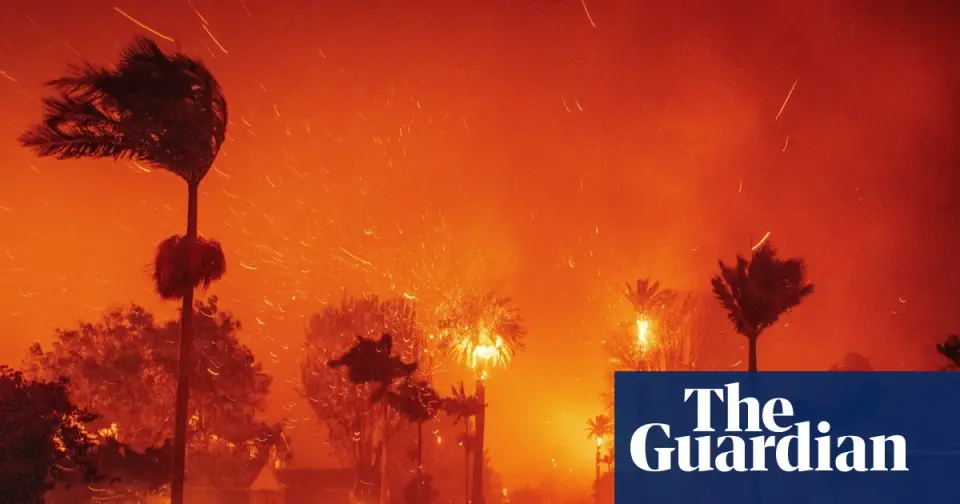
Analysis by Climate Action Tracker indicates the planet is heading toward an 'irrecoverable overshoot' of temperature thresholds, with current policies projecting 2.7C of warming by 2100. The 1.5C limit agreed upon a decade ago is expected to be breached within a few years, potentially triggering intolerable climate impacts and runaway effects. While clean energy investment has doubled and electric car use is rising, experts warn that governments are moving too slowly, with some nations like the US, Canada, and New Zealand slowing their climate action. Even if all existing pledges are fulfilled, warming would still reach 1.9C by century's end.
Key points
- Current policies project global average temperatures will rise by 2.7C by 2100, up from 2.6C in last year's analysis.
- The 1.5C threshold is set to be breached in just a few years, a point scientists warn will make climate impacts intolerable for many regions.
- UN Secretary-General António Guterres stated that the looming overshoot should compel governments to quickly phase out fossil fuels.
- Even in the most optimistic scenario where all long-term pledges are met, the world would still warm by 1.9C by 2100.
- Clean energy investment is now double that of fossil fuels, and electric car use is soaring, but overall progress is deemed insufficient.
- Lead author Sarah Heck noted that countries including the US, Canada, and New Zealand are slowing their climate action to a 'staggering level'.
Background
This warning arrives as COP31 opens in Antalya, Turkey, amid a backdrop of record heat. Recent WMO reports confirm 2026 is on track to be among the warmest years on record, with global temperatures averaging 1.47°C above pre-industrial levels. A strengthening El Niño is expected to intensify these trends into 2027. Additionally, a recent study in Nature found that by 2025, all 46 IPCC regions had already reached 90–94% of the warming expected at a 1.5°C global average, highlighting that local impacts are already severe even before the global average threshold is breached.
Why it matters
The analysis highlights a critical juncture where inaction could lead to insurmountable economic damages, rising mortality from heat, and climate-driven disasters that societies cannot adapt to. While some progress in clean energy offers hope, the gap between current policies and the necessary reductions remains vast. The potential for 'runaway climate change' beyond 1.5C underscores the urgency for immediate and decisive policy shifts to avoid catastrophic outcomes for billions of people.
What to watch
Governments are expected to face pressure at the ongoing UN climate talks in Antalya to accelerate fossil fuel phase-outs and strengthen emission reduction targets. The coming months will likely see intensified scrutiny on countries slowing their climate action, while the impact of the strengthening El Niño will be monitored for its contribution to global temperature spikes and extreme weather events in 2027.
Want the full story? Read the original reporting
Read on The Guardian