climate-crisis3 min read
Climate Action Tracker warns world on track for 2.7C warming, breaching 1.5C limit in years
12 days ago•Source: The Guardian
View original source
The latest climate crisis stories, each synthesized from multiple sources with added background and context.

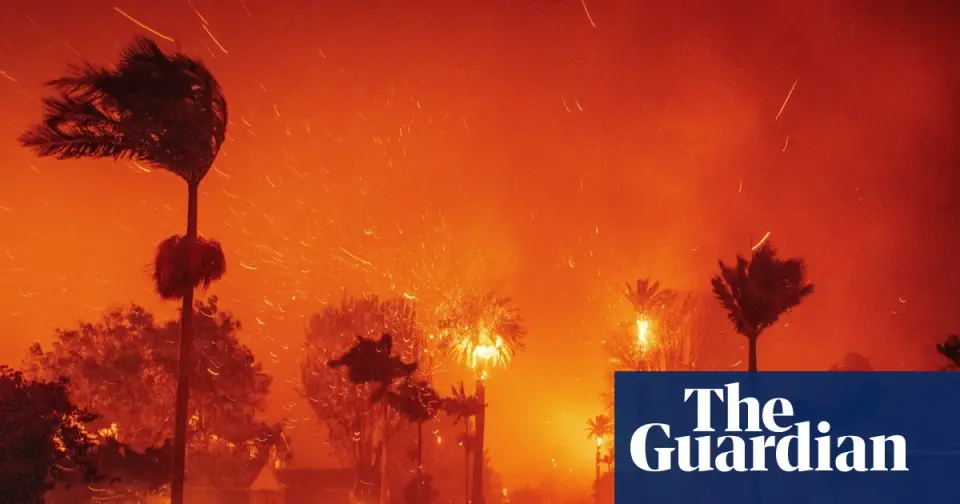
Swedish activist Greta Thunberg has returned to UN climate talks for the first time since 2021, arriving at COP31 in Antalya, Turkey, to condemn the proceedings as hypocritical. She warned that current political and economic systems prioritize profit over human survival, urging leaders to protect the planet rather than sacrifice the global majority. Her return follows a year of severe climate disasters and an energy shock caused by the US-Israel war on Iran. While the summit focuses on global electrification, host nation Turkey simultaneously celebrated the discovery of new oilfields, highlighting the tension between climate goals and fossil fuel expansion.
Al Jazeera•2 months ago
Al Jazeera•2 months ago
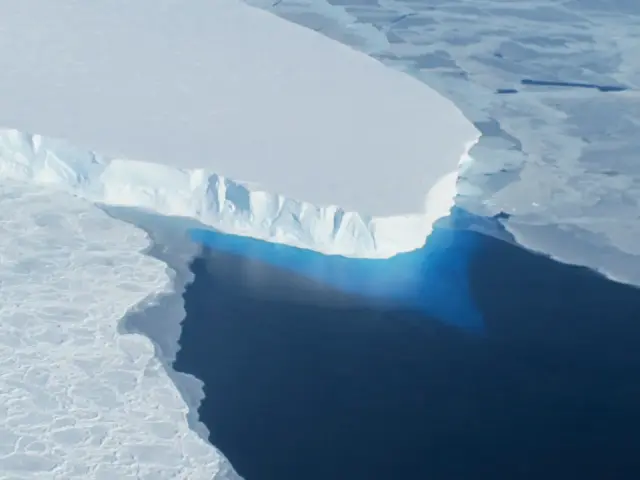
The UN Environment Programme has declared that exceeding the 1.5C global warming threshold is now unavoidable, shifting the focus from prevention to managing the consequences of 'overshoot.' The report warns that even the most optimistic scenarios predict at least 1.8C of warming, which could cause severe ecosystem loss, food production declines, and rising sea levels. While some nations and activists argue this signals a failure to act, the report advocates for an 'overshoot, peak, and decline' pathway involving rapid emissions cuts and carbon removal to potentially return temperatures to 1.5C by the end of the century.
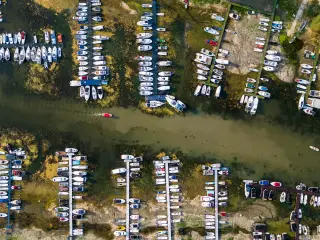
Satellite imagery and official data confirm that Europe is experiencing severe drought conditions, with major rivers reaching historic low levels. The Loire, Rhine, Danube, Po, and Garonne have all shown significant reductions in water volume and vegetation cover. In England, July was the driest on record since 1836, with 71.3 percent of the country officially in drought. These conditions have halted shipping on the Rhine, reduced nuclear power capacity in Hungary, and caused widespread browning of urban green spaces in cities like London and Vienna.
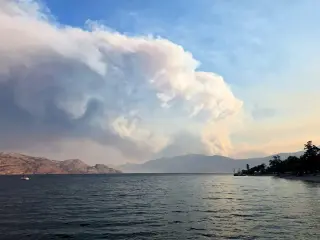
The Bald Range wildfire has triggered a state of emergency and mandatory evacuations in British Columbia’s Summerland district. Approximately 12,000 residents were ordered to leave as the fire spread rapidly, causing power outages and water safety warnings. International firefighting teams are supporting local efforts, with 1,500 personnel currently deployed across the province.
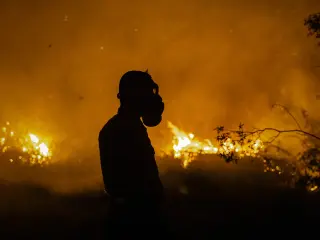
The World Meteorological Organization (WMO) has issued a stark warning that a rapidly intensifying El Nino event is set to dominate global weather patterns through 2026 and into 2027. Central Pacific sea-surface temperatures are projected to exceed 2.9 degrees Celsius above normal, a level that scientists describe as historically unprecedented for this stage of the cycle. UN Secretary-General Antonio Guterres characterized the event as 'inside the house and turning up the heat,' arguing that it is amplifying existing climate change impacts. The WMO forecasts severe consequences, including heatwaves, droughts, and floods, across Africa, Europe, Asia, and the Americas. While the phenomenon is natural, its interaction with human-induced warming is creating 'uncharted territory' for global weather systems, prompting urgent calls for immediate action on fossil fuel expansion and enhanced early-warning systems to protect vulnerable populations.
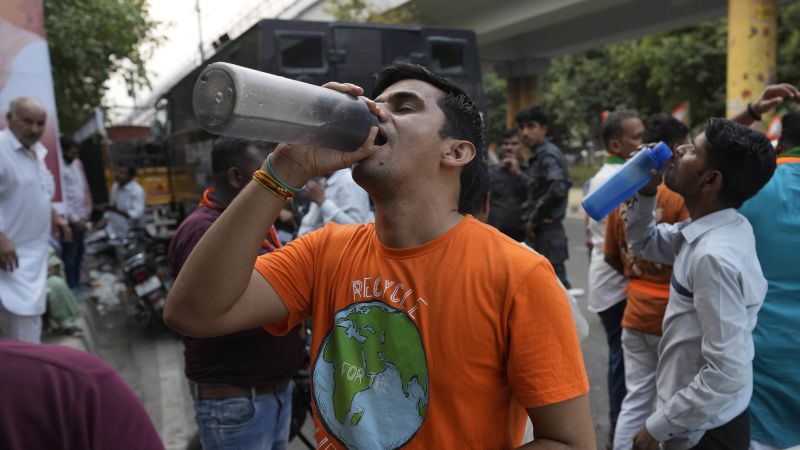
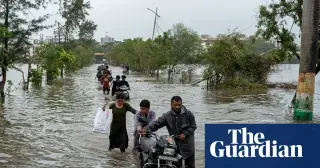
Delhi's poorest residents are suffering the worst effects of a severe heatwave, with temperatures reaching a record 49.9 degrees Celsius. The extreme heat has exacerbated water shortages, forcing the government to ration water deliveries. Many, like mother-of-six Poonam Shah, struggle to secure enough water for their families, while others, such as street vendors, must work in the scorching sun to survive. The crisis highlights the urgent need for climate adaptation strategies to protect vulnerable populations.

Researchers have found that the carbon emissions generated during the first two months of the Gaza war exceeded the annual carbon footprint of over 20 climate-vulnerable nations, with U.S. cargo planes flying military supplies to Israel accounting for nearly half of the emissions. The destruction of renewable energy projects in Gaza has further exacerbated the climate crisis, impacting water and food security, as well as the health sector. The targeting of water and food supplies has been cited as evidence of genocidal intent, and the long-term climate impacts of war need to be considered alongside the immediate environmental destruction.
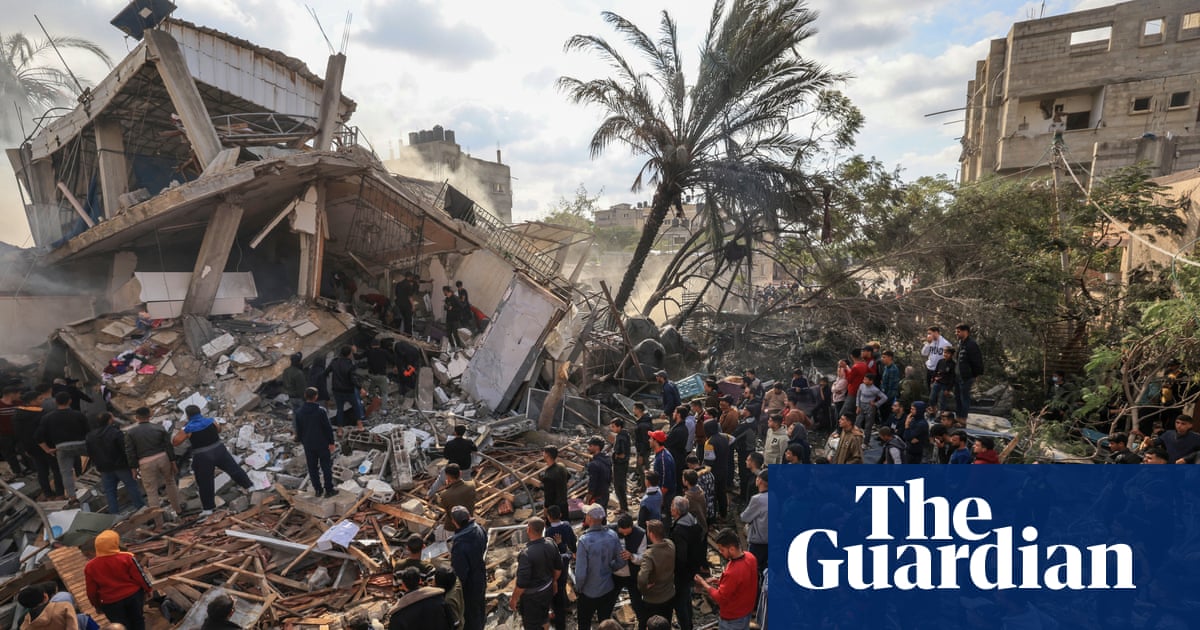
Research reveals that the emissions from Israel's military operations in Gaza during the first two months of the war generated more carbon dioxide than the annual footprint of over 20 climate-vulnerable nations. The study estimates that the carbon cost of the conflict is equivalent to burning at least 150,000 tonnes of coal, with the majority of emissions attributed to Israel's aerial bombardment and ground invasion. The environmental impact of the conflict exacerbates the global climate emergency and poses significant challenges for the region's future, including widespread death and destruction, infrastructure damage, and unprecedented human suffering.
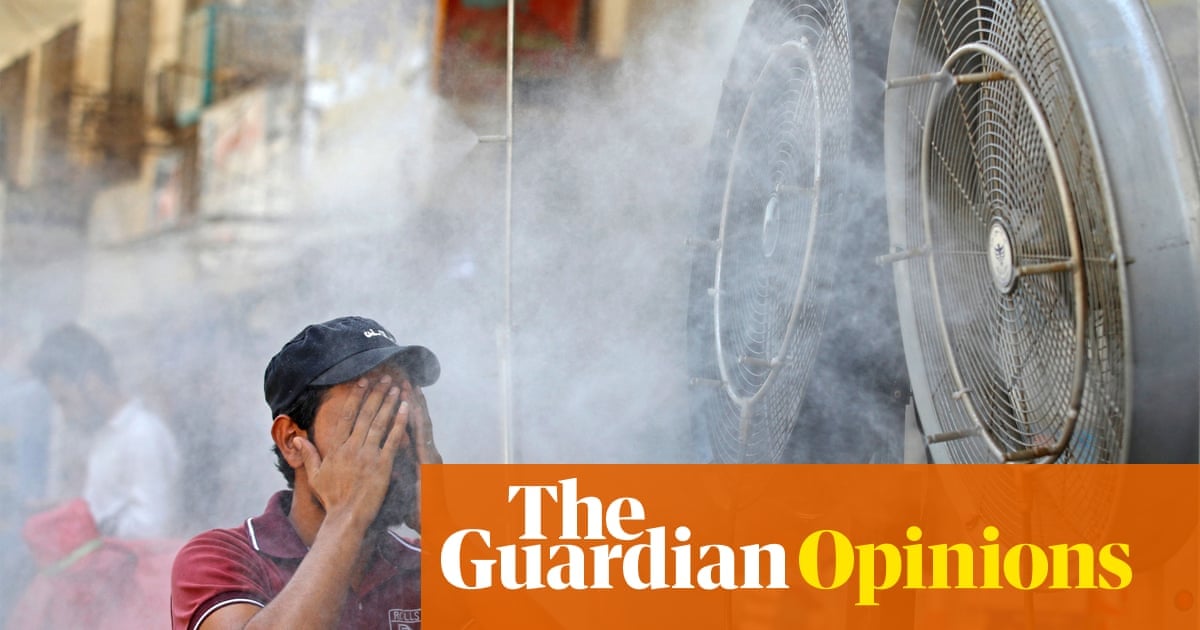
The climate crisis is characterized by a triple inequality: the disparity in responsibility for causing the problem, the disparity in experiencing its impacts, and the disparity in available resources for mitigation and adaptation. The regions most affected by global heating, such as sub-Saharan Africa, are expected to experience rapid population growth but contribute the least to emissions. The poorest and most vulnerable bear the brunt of the crisis, while the rich drive a productive system that destabilizes the environment. The article emphasizes the need for a loss and damage fund to compensate countries most affected by climate change and calls for a comprehensive energy transition and inclusive sustainable development models to address the triple inequality.
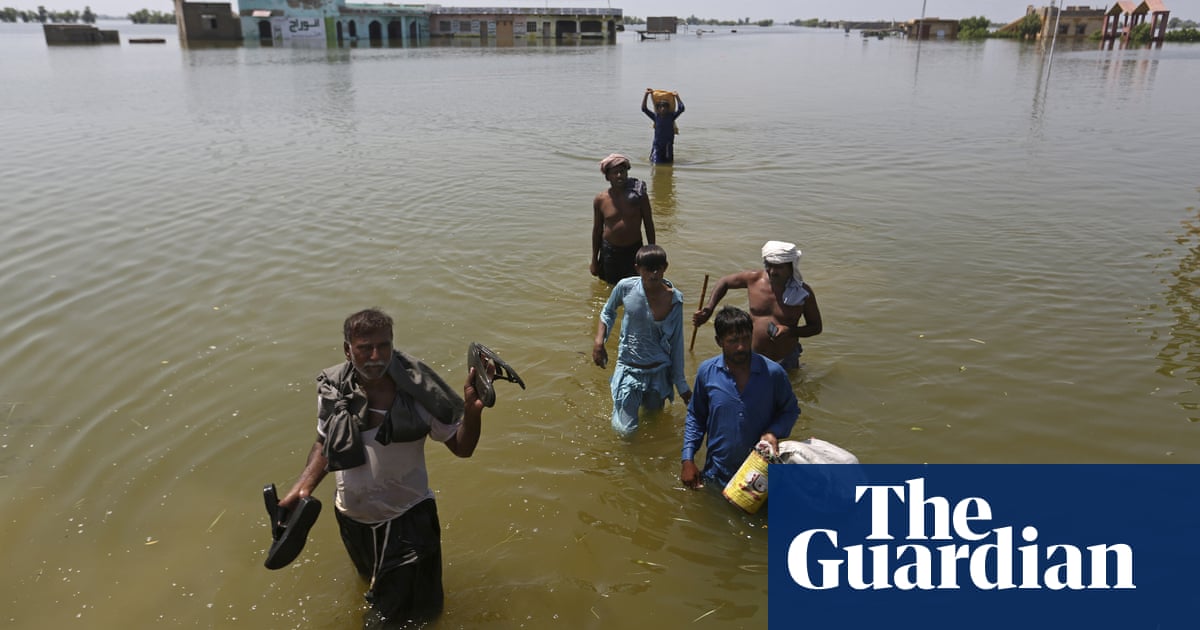
A UN report warns that the world is "woefully" unprepared for the escalating impacts of the climate crisis, with international funding for climate adaptation falling short. The report estimates that between $215bn and $387bn per year is needed for climate adaptation in poor and vulnerable countries alone, but funding actually fell by 15% in 2021. Rich nations pledged $40bn by 2025, but more action is needed. The report emphasizes the cost-effectiveness of adaptation measures and the need to limit future compensation through a loss and damage fund. Every country is underprepared for climate impacts, making adaptation a "matter of survival." The UN Secretary-General calls for action to close the adaptation gap and deliver climate justice, including taxing the windfall profits of the fossil fuel industry.
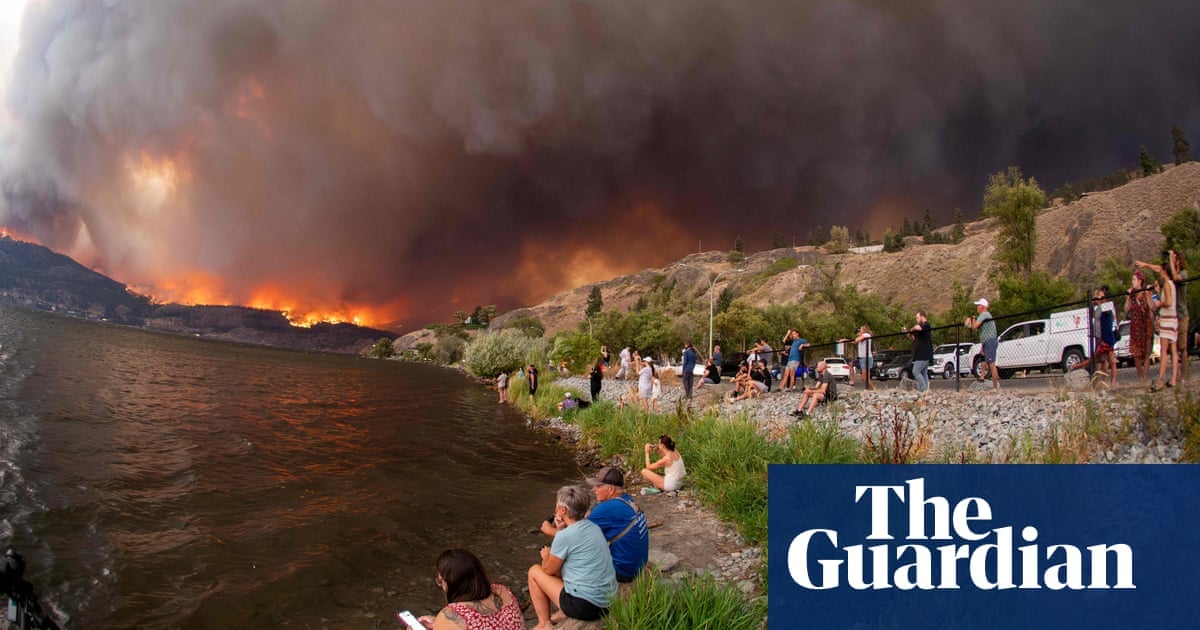
The climate crisis has resulted in extreme weather events that have cost an estimated $16 million per hour over the past 20 years, according to a new study. Storms, floods, heatwaves, and droughts have caused significant damage and loss of life, with global heating exacerbating their frequency and intensity. The study, which calculated the increased costs directly attributable to human-caused global heating, found an average annual cost of $140 billion from 2000 to 2019. However, the figures are likely to be underestimated due to a lack of data, particularly in low-income countries. The study's findings could be used to determine funding for a loss and damage fund established at the UN's climate summit in 2022 and aid in faster delivery of funds for recovery from extreme weather disasters.