
Brazil unveils voluntary fossil fuel roadmap ahead of COP31, drawing criticism for lack of binding timelines
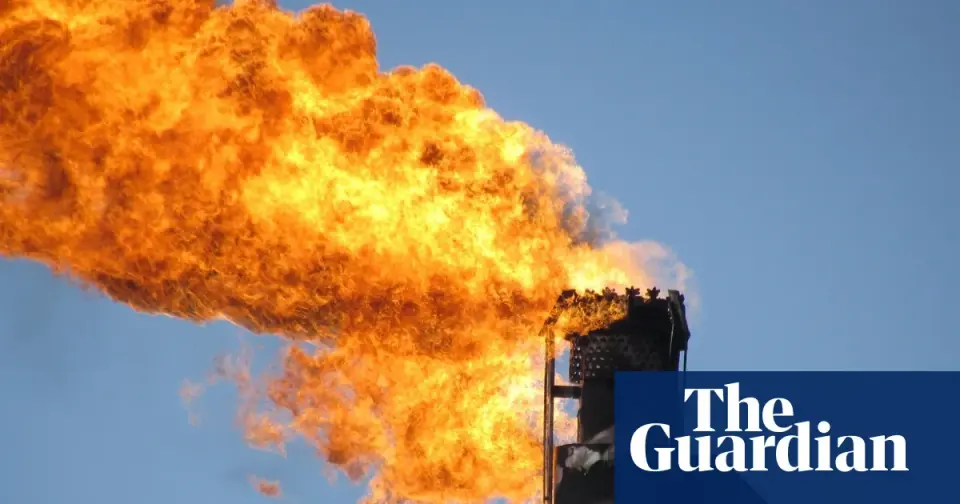
Brazil has released the first global roadmap for phasing out fossil fuels, aiming to shift UN climate talks from negotiation to implementation. The document is voluntary and non-binding, lacking specific deadlines, which has drawn criticism from climate scientists who argue it fails to define the pace of change needed to meet Paris Agreement targets. While the roadmap emphasizes a 'just and orderly' transition, it contrasts with more prescriptive national plans developed by a coalition of willing nations outside the UN framework.
Key points
- Brazil published the world's first global roadmap for transitioning away from fossil fuels on Tuesday, ahead of the COP31 summit in Antalya, Turkey.
- The roadmap is voluntary, non-binding, and contains no specific deadlines or benchmarks, leaving countries to diagnose their own dependence on fossil fuels and select appropriate policy levers.
- Key recommendations include urgently cutting gas flaring and venting, reducing fossil fuel subsidies, and expanding renewable energy generation.
- A separate roadmap addresses deforestation, estimating that $300 billion annually will be needed for forests by 2030, compared to the current $85 billion available.
- The initiative follows the COP30 summit in Belém, where a compromise was reached to produce these roadmaps after disputes over fossil fuel pledges in the final resolutions.
- Brazil’s President Luiz Inácio Lula da Silva won a fourth term recently, following a period where deforestation rates fell by approximately 70% under his administration.
Background
This development follows the COP30 summit in Belém, Brazil, last November, where a bitter dispute over fossil fuel pledges led to a compromise to produce roadmaps. The release coincides with recent scientific findings indicating that human-driven fossil fuel emissions reversed a natural glacial trend that began 2,000 years ago, highlighting the urgency of climate action. Additionally, previous analyses have noted that carbon capture and storage technologies, often cited as cornerstones of climate policy, have historically underperformed compared to theoretical promises, underscoring the need for direct fossil fuel phaseouts.
How outlets are covering it
The Guardian reports that Joeri Rogelj, a professor at Imperial College London, criticized the Brazilian roadmap for lacking a clear timeline or key benchmarks, arguing it falls short of indicating the pace of change required to limit global warming to 1.5C. In contrast, André Corrêa do Lago, Brazil’s president of the COP30 summit, defended the document as a tool for implementation, emphasizing that different countries have different rhythms for transition and should focus on their specific circumstances. The Priestley Centre for Climate Futures notes that while the Brazilian roadmap is non-prescriptive, a separate 'coalition of the willing' formed at the Santa Marta conference in April produced more specific national roadmaps, including those from Germany, France, and the Netherlands. This highlights a divergence between the voluntary, broad guidance of the UN framework and the prescriptive, plurilateral approaches of willing states.
Why it matters
The roadmap marks a shift in UN climate diplomacy from negotiating new agreements to implementing existing targets, aiming to accelerate the global energy transition. By providing a framework for countries to assess their fossil fuel dependence and identify policy levers, it seeks to bridge the gap between political ambition and practical action. However, the lack of binding commitments and specific timelines raises questions about its effectiveness in driving the rapid decarbonization needed to meet Paris Agreement goals, particularly as geopolitical divisions continue to hinder universal consensus on fossil fuel phaseouts.
What to watch
The roadmap is expected to be taken up by ministries of finance, transportation, energy, and infrastructure in various countries to guide implementation. The outcomes of the Santa Marta conference, including national roadmaps from willing states, will be carried forward to COP31 in Antalya, Turkey, this month. The incoming Australian President of Negotiations, Chris Bowen, has invited input from the Colombian and Dutch ministers to integrate Santa Marta’s results into the COP31 process. Türkiye, as the COP31 host, is focusing on clean-energy transitions through its Action Agenda, aiming to increase electricity’s share of final energy demand from 23% to 35% by 2035.
- Brazil publishes first global ‘roadmap’ for phasing out fossil fuels The Guardian
- Brazil wraps up COP30 with fossil fuel, forest roadmaps, urging shift from talks to action Reuters
- COP30 Presidency Roadmap COP30 Brasil Amazônia
- Brazil Puts Forward Global Plan to Wean World Off Fossil Fuels Bloomberg.com
- Climate multilateralism, geopolitics, and the transition away from fossil fuels Priestley Centre for Climate Futures
Want the full story? Read the original reporting
Read on The Guardian