
Second Wave of European Supermarket Freezer Hacks Spills Into Germany
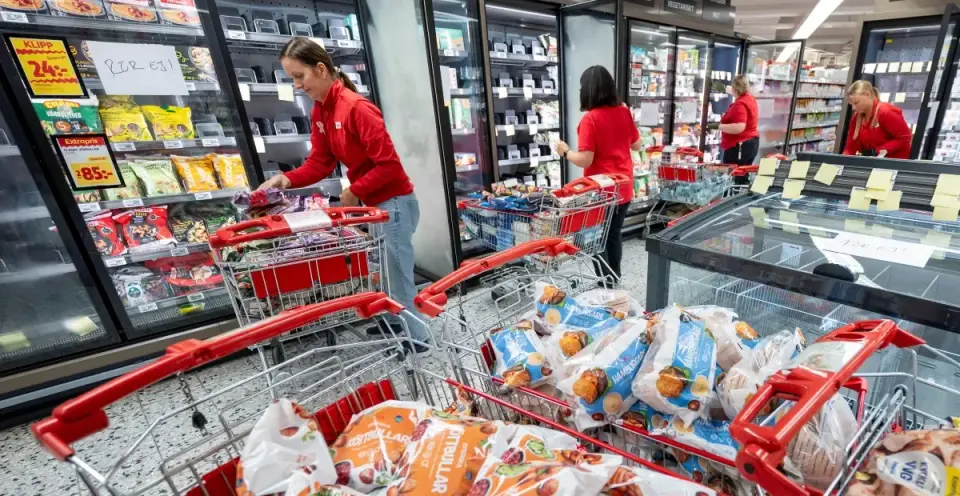
A second wave of cyberattacks has targeted refrigeration systems in supermarkets across Europe, including Germany, Belgium, and Sweden, causing temperatures to spike and spoiling millions of euros worth of food. The incidents exploit vulnerabilities in legacy internet-connected controllers, prompting EU crisis meetings and highlighting critical infrastructure security gaps.
Key points
- German police are investigating cyberattacks in Lower Saxony, Bavaria, and the West Palatinate, where temperatures in freezers rose to between 30 and 50 degrees Celsius.
- A supermarket owner in Lilienthal, Germany, reported losing over 360,000 euros in spoiled goods after systems were remotely disabled.
- The attacks affect major chains including Delhaize in Belgium, ICA and Coop in Sweden, and SuperValu in Ireland, following a similar incident in France in October.
- EU Agriculture Commissioner Christophe Hansen described the attacks as a targeted attempt to disrupt food supply, though he noted current supply security remains stable.
- Experts attribute the breaches to outdated firmware, default passwords, and end-of-life controllers from manufacturers like Danfoss and Copeland, rather than AI or zero-day exploits.
Background
This incident follows a major cyberattack in October 2026 that targeted hundreds of French supermarkets, causing temperatures to spike to over 50 degrees Celsius and resulting in tens of millions of euros in losses. Previous coverage noted that the October attack exploited known vulnerabilities in remote control modules, with French cybersecurity authorities warning that the threat could be ongoing. The current wave represents an expansion of these attacks to additional European nations, including Germany, which was not prominently featured in the initial October incident reports.
How outlets are covering it
While The Verge and BBC focus on the immediate impact on major chains in Belgium and Sweden, AP News and Yahoo highlight the broader geographic spread, including Germany, Ireland, and Italy. AP News emphasizes the technical debt involved, noting that attackers used default passwords and end-of-life firmware rather than advanced AI techniques. Yahoo provides specific financial losses in Germany, such as the 360,000 euro loss in Lilienthal, and notes that a Belgian refrigeration provider identified the systems were remotely switched to defrost mode. BBC reports that Delhaize lost 100,000 euros in one branch alone. All sources agree that no group has claimed responsibility, but they differ in emphasis: The Verge highlights the food supply chain risk, while AP and Yahoo focus on the legacy technology vulnerabilities and the lack of AI involvement.
Why it matters
The expansion of these cyberattacks to Germany and other European countries underscores the vulnerability of critical infrastructure reliant on legacy IoT devices. The financial losses and potential for food spoilage highlight the real-world impact of poor cyber hygiene in industrial systems. The EU's response, including crisis meetings and the activation of the European Cyber Crisis Network, signals a growing recognition of the need for coordinated security measures across member states to protect essential services from such attacks.
What to watch
National authorities in affected countries, including Germany, France, and Italy, are continuing investigations to identify the perpetrators and the specific vulnerabilities exploited. The EU is expected to issue further guidance on securing legacy industrial systems, while retailers may accelerate updates to their refrigeration controllers. Experts anticipate increased scrutiny of IoT security in critical infrastructure, with potential regulatory changes to address the risks posed by end-of-life devices connected to the internet.
- More European supermarkets are getting their freezers hacked The Verge
- European supermarket fridges got hacked. Again. Here’s what to know AP News
- German supermarkets also hit in cyberattacks on refrigeration units Yahoo
- Supermarket fridge attack is just the start, says UK cybersecurity chief Reuters
- Shop freezers in seven European countries hit by cyber-attack BBC
Want the full story? Read the original reporting
Read on The Verge