
climate-policy6 min read
Fossil Fuel Coalition Pivots to Tuvalu After Colombia Exits
9 days ago•Source: AP News
View original source
The latest climate policy stories, each synthesized from multiple sources with added background and context.
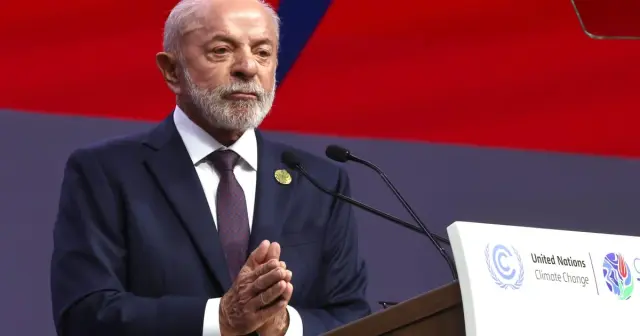
At the COP31 climate summit in Antalya, Turkey, Brazilian President Luiz Inácio Lula da Silva received a hero’s welcome, overshadowing the U.S. midterm elections. Lula’s recent re-election victory over Flavio Bolsonaro is seen as critical for maintaining Amazon deforestation protections, which have reached 40-year lows under his administration. While U.S. Democrats won majorities in the House and Senate, their candidates focused on affordability rather than climate, limiting their impact on the summit. U.N. Secretary-General António Guterres urged nations to end fossil fuel addiction, highlighting the urgent need for global climate action amidst rising emissions and extreme weather events.
The Washington Post•2 months ago
Politico•6 months ago
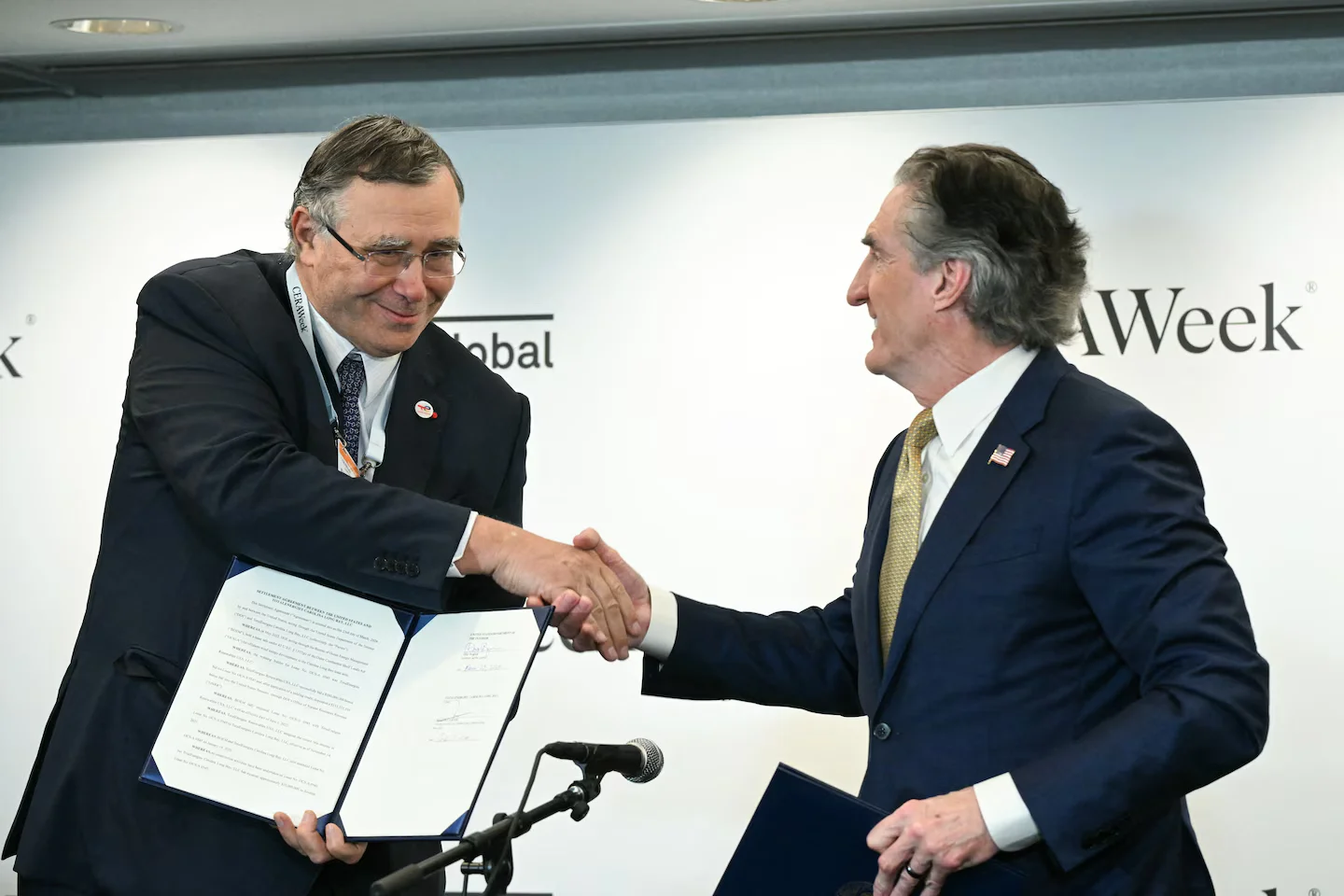
The Interior Department announced a $1 billion settlement with TotalEnergies to stop development of two offshore wind farms off New York and North Carolina, directing the funds toward oil and gas projects amid national-security concerns.
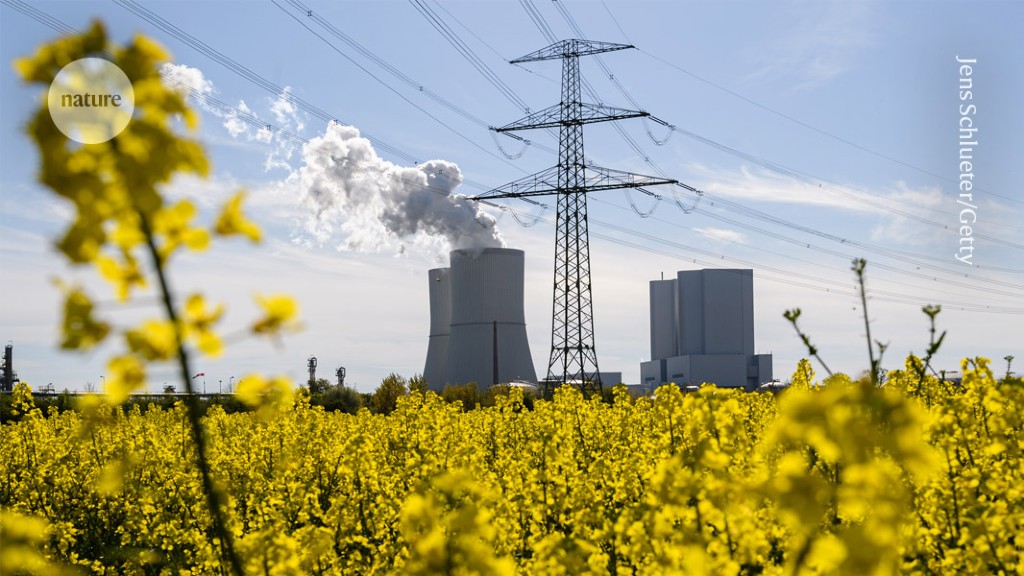
The European Commission has announced a bold climate target to reduce net greenhouse-gas emissions by 90% compared to 1990 levels by 2040, drawing mixed reactions from scientists. While the goal is seen as ambitious, concerns have been raised about its heavy reliance on unproven technologies like carbon removal and the potential impact of political shifts in EU member states. Researchers emphasize the need to prioritize cutting fossil fuels and meeting existing 2030 targets, while also stressing the importance of adaptation measures to address the current and future impacts of climate change.
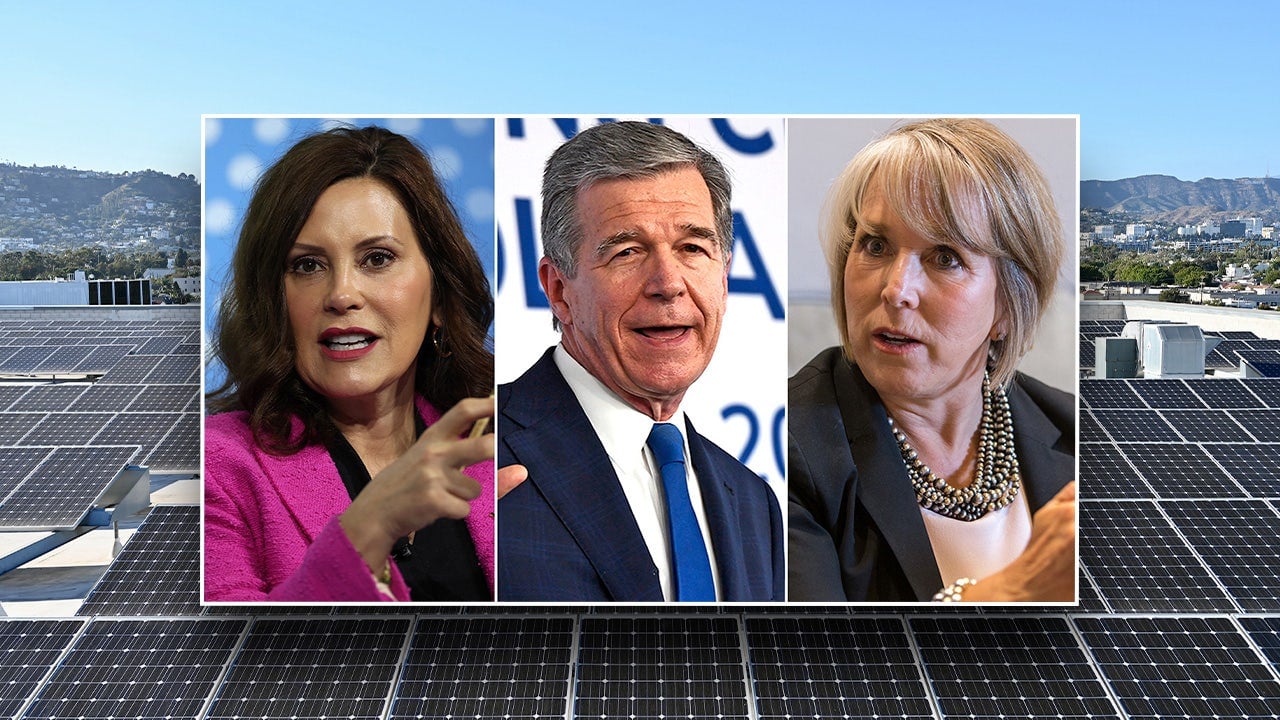
The United Nations Foundation has been quietly funding climate change policies in Democratic state government offices across the U.S., wiring millions of dollars to state governors and agencies, often funding state officials' salaries. The funding, which is part of the U.S. Climate Alliance initiative, has raised concerns about the influence of global activists on public policy and the accountability of government officials. The initiative's co-chairs, Govs. Jay Inslee and Janet Mills, have highlighted coordinated actions taken by member states, including aggressive electric vehicle mandates and bans on natural gas hookups for new construction.
The US Supreme Court's potential overturning of the Chevron deference, a legal principle giving deference to federal agencies' interpretations of ambiguous laws, could significantly hinder the Biden administration's climate regulations and embolden legal challenges from fossil-fuel trade groups. Without Chevron deference, agencies would be more cautious in their interpretations of environmental laws, making it difficult for the administration to pursue its climate change agenda. This could lead to increased legal uncertainty and hinder progress in addressing climate change.
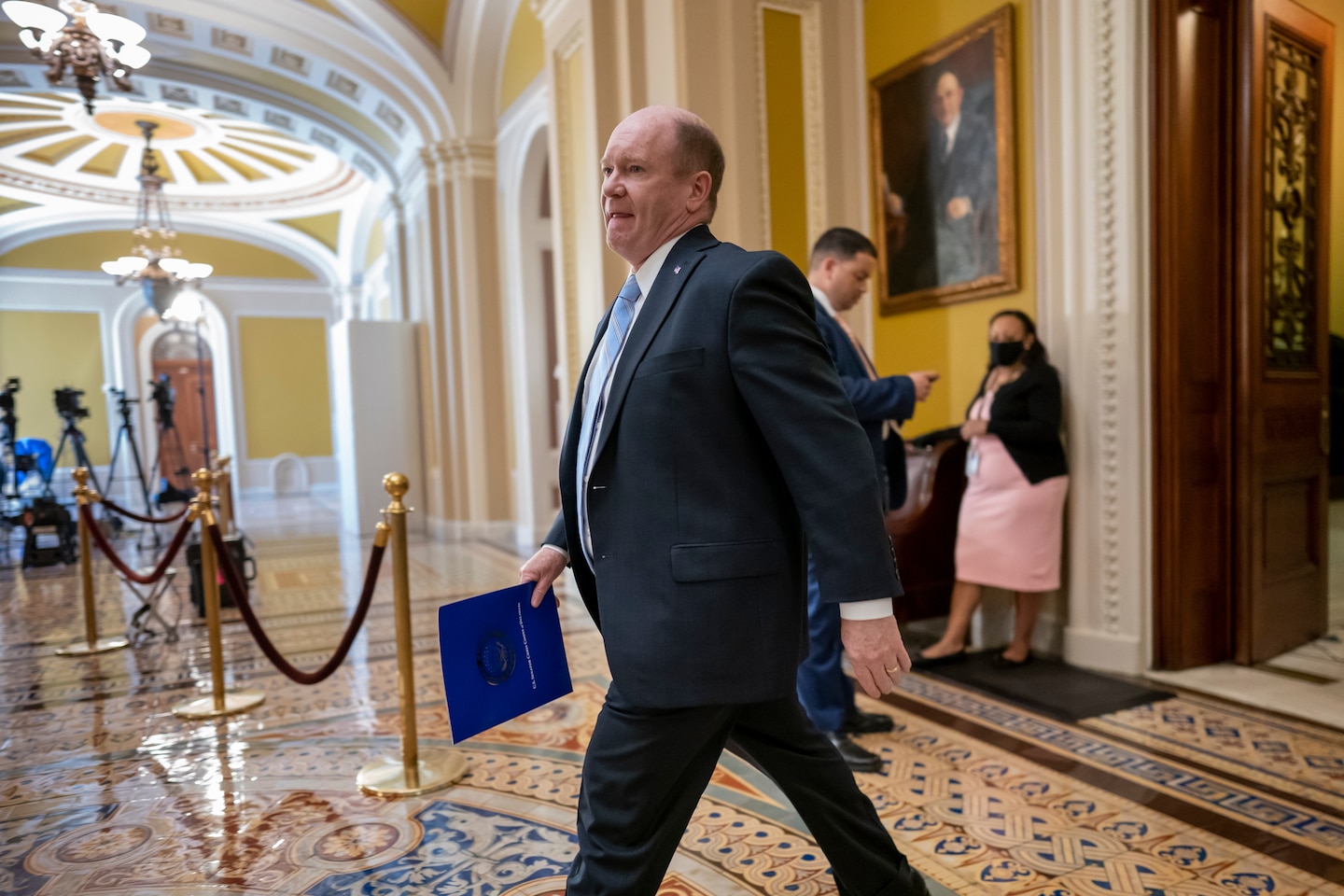
Senators Christopher A. Coons and Kevin Cramer will introduce a bipartisan bill that would lay the groundwork for America's first carbon border tax, which would impose fees on iron, steel, and other imports from countries that are not significantly reducing greenhouse gas emissions. The bill would require the Energy Department to study the emissions intensity of certain products produced in the United States and in certain countries. The goal is to use trade to advance American manufacturing and disadvantage dirty or high-emissions products, ultimately putting effective pressure on China, Russia, and India to dramatically reduce their emissions.