
COP31 Ends in Historic Deadlock as Oil States Block Fossil Fuel Language
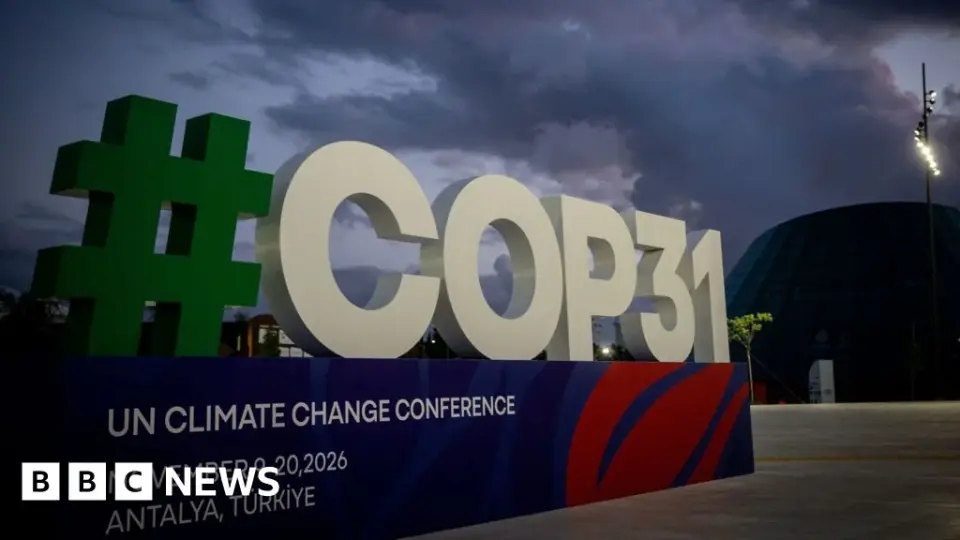
The 2026 UN climate conference in Antalya, Turkey, concluded without a final consensus agreement, marking the first major failure since 2009. The breakdown occurred after oil-producing nations blocked explicit references to phasing out fossil fuels, while vulnerable nations rejected the lack of concrete financial commitments for climate adaptation.
Key points
- The Antalya Pact failed to pass due to a lack of consensus among over 190 countries, with the US absent from the negotiations.
- The final draft omitted any mention of fossil fuels, a phrase that had been included in the 2023 Dubai agreement, leading to rejection by the EU, UK, and small island states.
- Developing nations criticized the agreement for lacking specific figures for adaptation finance, despite a prior commitment to triple funding by 2035.
- The talks were the longest in UN history, extending into overtime, and were described by some delegates as being 'hijacked' by oil states.
- Despite the failure, 164 other agenda items were agreed upon, including a just transition framework and carbon credit funds for adaptation.
Background
The 2026 UN climate conference (COP31) began in Antalya, Turkey, with analysis highlighting five common tactics used by nations to obstruct meaningful progress without formally rejecting agreements. These include citing affordability to avoid funding commitments, relying on future technology to delay emissions cuts, diluting binding language, failing to deliver pledged aid, and bypassing consensus through procedural shortcuts. The conference runs from November 9 to 20, with observers noting that critical decisions often occur in closed-door sessions where smaller delegations lack influence.
How outlets are covering it
BBC and CNN emphasize the historic nature of the failure, noting it is the first major breakdown since 2009. CNN highlights the 'worst ever COP' characterization by Mohamed Adow of Power Shift Africa. The New York Times focuses on the bitter clash between nations seeking to wind down fossil fuels and those aiming to prolong it. Euronews highlights the EU's rejection of the final deal. All sources agree on the central issue being the omission of fossil fuel language and the lack of concrete financial commitments.
Why it matters
The failure of COP31 to reach a consensus agreement raises serious questions about the ability of the international community to address the climate crisis. The breakdown in negotiations over fossil fuels and climate finance highlights the deep divisions between oil-producing nations and those seeking to phase out fossil fuels. The lack of concrete financial commitments for adaptation could leave vulnerable nations without the resources they need to cope with the impacts of climate change.
What to watch
The next COP is scheduled to take place in Ethiopia in 2027. Countries will need to reconvene and attempt to make forward progress on the issues that were not resolved at COP31. The failure of COP31 may also lead to increased pressure on governments to take action outside of the formal COP process, such as through the 'Action Agenda' mentioned in the BBC article.
- Five takeaways from the failed climate talks COP31 BBC
- COP31 climate talks fail to reach deal amid fossil fuel and money rows BBC
- Global climate summit collapses as countries fail to agree on moving away from fossil fuels CNN
- COP31 Talks Collapse in Turkey in a Clash Over Fossil Fuels The New York Times
- Europe Today: COP31 talks collapsed over omission of fossil fuels Euronews.com
Want the full story? Read the original reporting
Read on BBC