
climate127.195 min read
Arctic Permafrost Thaw Reshapes Global Climate Projections
9 days ago•Source: AP News

The latest climate stories, each synthesized from multiple sources with added background and context.

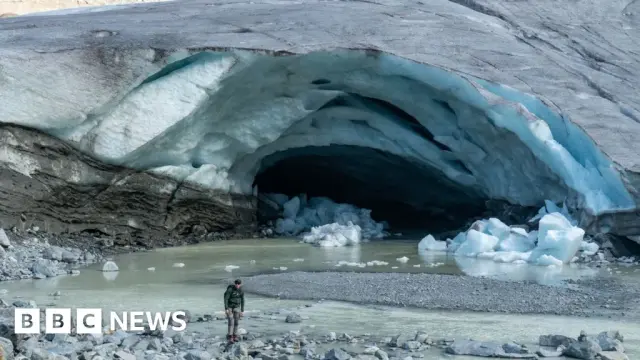
Switzerland lost 20% of its glacial ice since 2021, with 2026 marking a record-breaking year of melt. Scientists warn that rapid ice loss threatens water supplies and hydropower, while some small glaciers have already disappeared.

A planetary-scale Kelvin wave, triggered by a record-breaking El Niño, is approaching California. This slow-moving pulse of warm water is expected to raise sea levels by up to a foot, compounding existing marine heatwaves and erosion risks. Governor Gavin Newsom has declared a state of emergency to prepare for potential flooding and storm surges through winter 2027.
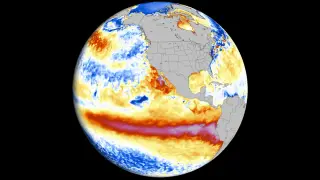
The 2026-2027 El Niño event is on track to become the strongest in recorded history, with peak ocean temperature anomalies projected to exceed 4.1°C in the Niño 3.4 region. This unprecedented strength is driven by record-breaking westerly wind bursts and a massive subsurface Kelvin wave that has deepened the thermocline by over 80 meters in some areas. The event is expected to peak in November or December, triggering a stationary atmospheric wave pattern that will dominate global circulation through spring. Forecasters predict a split-flow winter across North America, with milder conditions in the north and an active storm track in the south, while Europe faces above-average temperatures. The rapid intensification has already set record wind anomalies, surpassing the 2015-2016 event in speed and strength.
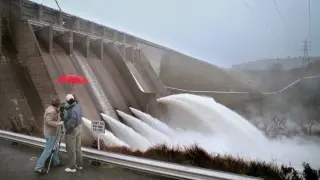
The 2026 El Niño event has broken historical temperature records in the eastern Pacific, with sea surface anomalies reaching 3.8°C above normal in the Niño 3 region. This unprecedented warmth, occurring months before the typical peak, is already reshaping global weather patterns, including a hyperactive Pacific hurricane season and a likely wet winter for California.
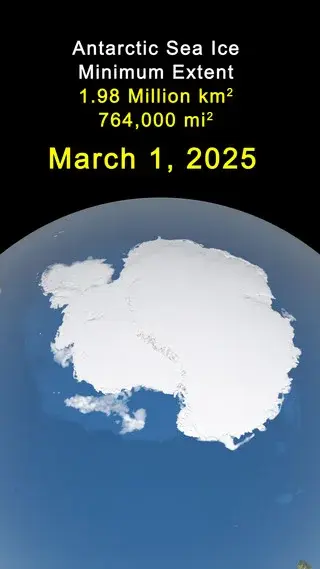
Arctic sea ice reached its annual minimum extent on September 12, 2026, covering 4.6 million square kilometers. This figure ties 2008, 2010, and 2025 for the 10th-lowest recorded minimum since satellite observations began in 1978. While the extent has plateaued in recent years due to increased cloud cover, it remains significantly lower than historical averages, with the last 20 years accounting for the 20 lowest minimums on record.
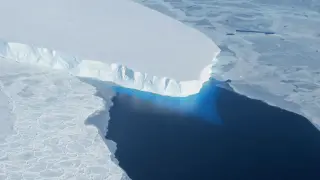
A new study combining 42 satellite surveys shows Earth’s polar ice sheets have lost 12.5 trillion tons of ice since the 1970s, contributing to a 31.4 millimeter rise in global sea levels. The majority of this loss is driven by faster glacier flow into the ocean rather than surface melting.
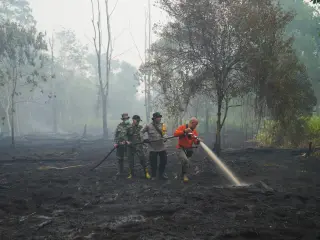
A new report by the Climate Impact Lab projects that the current 'super El Niño' will cause approximately 451,000 excess heat-related deaths globally between June 2026 and February 2027. The event has already broken temperature records, with Pacific sea surface temperatures reaching 3.05C above average, exceeding the 2015 record. Scientists warn that this phenomenon, amplified by human-caused climate change, is acting as a 'postcard from the future,' previewing conditions expected within two decades. The highest mortality risks are concentrated in the Global South, particularly in Nigeria, Indonesia, and the Sahel region, where infrastructure is less resilient. Experts urge immediate emergency measures, including heat warnings and cooling centers, to mitigate the crisis.

A new study projects that the current record-breaking El Niño will cause approximately 451,000 additional heat-related deaths globally between June 2026 and February 2027. The event, which has already shattered temperature records, is amplifying the effects of human-caused climate change. Developing nations in the Global South, particularly in Africa and Asia, face the highest mortality risks due to limited access to cooling infrastructure and healthcare. While the El Niño is a natural phenomenon, its unprecedented intensity is driven by a warmer baseline climate, leading to severe droughts, wildfires, and food insecurity. Experts urge immediate emergency measures, including heat warnings and cooling centers, to mitigate the crisis, warning that current conditions may become the new normal within two decades.
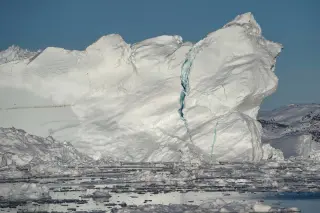
A new study shows ice from Greenland and Antarctica is flowing into the ocean faster, with Jakobshavn Glacier calving about 41 billion metric tons of icebergs annually and overall polar ice loss reaching into the trillions of tons, contributing to rising sea levels.
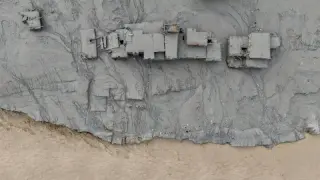
A World Weather Attribution team says Nepal’s devastating August flood was not caused by a single event but by a cascade of climate‑driven factors: a Langtang Lirung rock–ice collapse likely weakened by a 2015 earthquake, thawing permafrost and glacier melt that increased water and rock pressure, and unusually warm regional conditions that intensified slope destabilization. July–August temperatures are about 1.5°C warmer locally and annual temperatures around 2°C higher, with the zero-degree line rising in the Himalayas. The flood roared more than 20 miles downstream, killing at least 1,300 and leaving more than 5,000 missing. The scientists say human‑caused climate change preconditioned the disaster and warn that current early‑warning systems couldn’t have foreseen it; cutting fossil fuel pollution is needed to avert more such events.
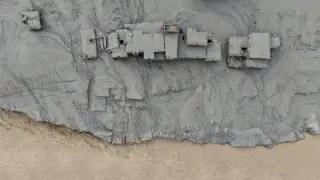
A World Weather Attribution analysis found Nepal’s August flood was not caused by a single event but by a cascade of processes intensified by human-caused climate change: warming temperatures, thawing permafrost, glacier thinning around Langtang Lirung, and meltwater that fed a rapidly advancing flood after a monumental rock-ice avalanche. A 2015 earthquake may have preconditioned the slope, and record fall snow plus a very warm July–August period (regional temperatures ~1.5°C warmer in summer, ~2°C annually) amplified melt. The combined factors produced an unprecedented Himalayan disaster, with at least 1,300 dead and thousands missing, and scientists say even early warning systems would have limited lead time. They stress urgent fossil-fuel reductions to reduce future risk.