
Panama Threatens to Block COP31 Deal Over Missing Fossil Fuel Exit Strategy
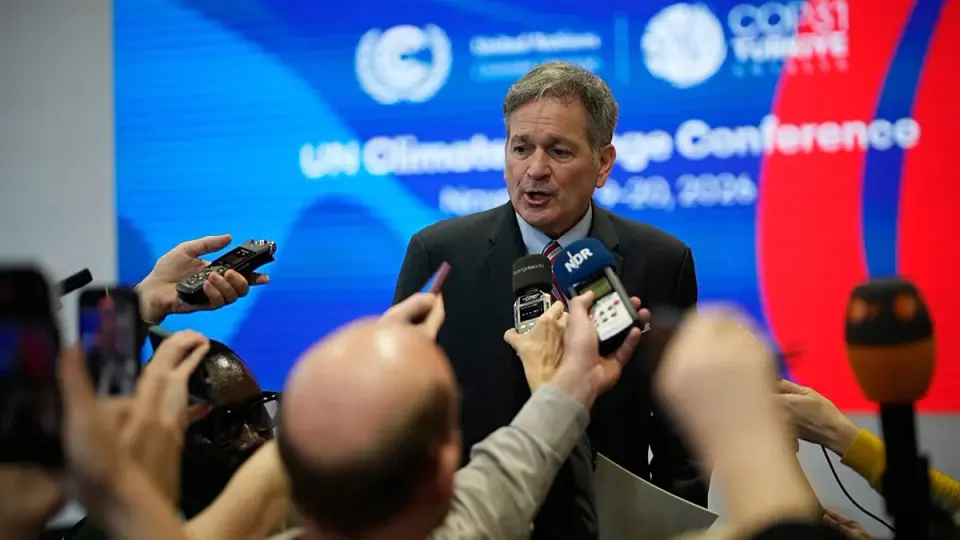
COP31 in Antalya, Türkiye, faces a potential deadlock as Panama threatens to block the final agreement over the removal of fossil fuel transition language. The draft deal, which dropped references to phasing out oil and gas, has drawn sharp criticism from developing nations and experts, while agribusiness lobbying and finance disputes further complicate negotiations.
Key points
- Panama’s environment minister Juan Carlos Navarro stated his country would formally object to any final decision lacking a satisfactory outcome on oil production caps and scientific integrity.
- The latest draft deal removed all mentions of fossil fuels, reversing progress made at COP28 in Dubai, where the transition away from fossil fuels was first included.
- Experts warn the summit risks becoming a 'ghost COP' with no tangible results, as major fossil fuel producers allegedly undermine emissions cuts.
- A target to increase global electricity demand to 35% by 2035 is in the draft, but critics fear it lacks explicit requirements for clean energy sources.
- Climate finance for adaptation remains contentious, with developing nations seeking $120 billion, while rich nations offer minimal support.
Background
Previous UN climate summits, such as COP30 in Belém, saw the transition away from fossil fuels erased from final deals due to resistance from exporting nations. At COP28 in 2023, fossil fuels were mentioned for the first time, marking a significant shift in language. Recent national roadmaps by France, Germany, and the Netherlands reflect growing momentum for independent exit strategies outside UN frameworks.
How outlets are covering it
Euronews highlights Panama’s strong stance against 'complacent' language and the global 'petroleum mafia,' while The Guardian emphasizes the frustration of developing nations and the lack of progress on adaptation finance. DeSmog focuses on the influence of 260 food sector lobbyists, including meat and fertilizer industries, arguing that their presence has stalled agriculture-related climate action. All sources agree on the draft’s weakness but differ in emphasis: Euronews and The Guardian focus on fossil fuel language, while DeSmog highlights lobbying impacts on food systems.
Why it matters
The failure to include fossil fuel transition language in COP31 could set back global climate goals, as fossil fuels are the primary driver of climate change. The deadlock risks undermining international cooperation and leaves developing nations without adequate financial support for adaptation. Additionally, the influence of agribusiness lobbying threatens progress on methane and food system reforms, exacerbating climate impacts on vulnerable populations.
What to watch
Negotiations continue into the weekend, with a new draft expected after a 'divan' meeting. Countries are working on compromises, but a breakthrough is unlikely. The Fossil Fuel Non-Proliferation Treaty Initiative and other coalitions may push for alternative agreements if the UN process fails to deliver meaningful outcomes.
- Why one tiny country could dictate the outcome of COP31 Euronews.com
- World ‘held hostage by oil mafia’, says Panama minister at Cop 31 The Guardian
- Fossil fuel lobbyists are trying to derail climate action once again at COP31. Can they be stopped? The Conversation
- Fertiliser, Big Meat and Biofuels Industry Among 260 Food Sector Lobbyists at COP31 DeSmog
- 'Carbon-negative' Panama Takes On Oil Powers At UN Climate Summit Barron's
Want the full story? Read the original reporting
Read on Euronews.com