
Ten Years After Paris: Emissions Rise Despite Policy Gains
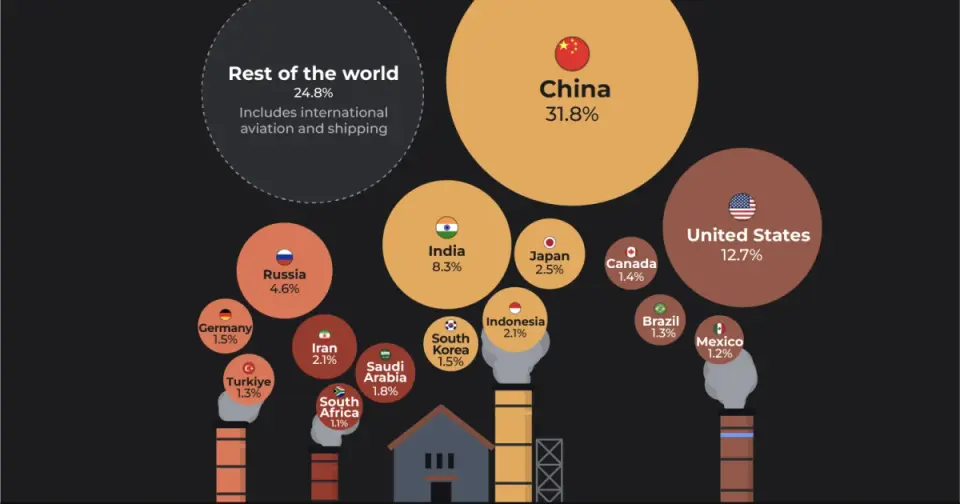
A decade after the Paris Agreement entered into force, global emissions remain 9% higher than in 2016, and the 1.5C warming limit is no longer achievable. While the treaty spurred clean energy growth and slowed the rate of emissions increase, current policies still project 2.6C of warming by 2100. The UN Environment Programme has declared the 1.5C goal lost, shifting focus to minimizing overshoot. COP31, opening shortly after the anniversary, emphasizes electrification targets to accelerate the transition.
Key points
- The Paris Agreement, adopted in 2015 and effective since November 4, 2016, binds 194 parties to limit warming to well below 2C and pursue 1.5C.
- Global temperatures exceeded 1.5C above pre-industrial levels for the first time in 2024, with 2023-2025 being the hottest three-year period on record.
- UNEP stated in October that the chance of keeping warming to 1.5C without overshooting has been lost, citing increased risks from floods and heatwaves.
- Global emissions are 9% higher than in 2016, though the rate of growth slowed from 1.8% annually pre-2015 to 0.7% post-2015, according to OECD data.
- China, the US, and India account for over half of global annual emissions, with China’s emissions rising alongside those of India and Indonesia.
- Clean energy investments are now nearly double fossil fuel investments, but cuts have been insufficient to meet Paris goals.
Background
In October 2026, UNEP’s Emissions Gap Report declared the 1.5C target unachievable, shifting the goal to limiting peak warming to 1.7-1.8C by mid-century. This followed earlier reports highlighting the US withdrawal as a key factor worsening projections. The current anniversary review builds on these findings, assessing the decade-long impact of the treaty on global climate policy and emissions trajectories.
How outlets are covering it
Al Jazeera emphasizes the failure to meet 1.5C targets and the rising emissions from major economies like China and India. The OECD highlights that while emissions growth slowed, the Paris Agreement has been perceived by experts as meaningful in raising ambition and coordination, with 40 countries reducing emissions while growing GDP. Yahoo’s analysis notes that some countries, like the UK and Germany, achieved significant per capita emissions cuts through policy, while others saw reductions due to economic shifts. The Global Government Forum, though largely obscured by technical content, suggests progress is 'clearly insufficient' despite whole-of-economy approaches. Outlets differ on the degree of success: Al Jazeera and UNEP focus on the failure to meet targets, while the OECD and Yahoo acknowledge policy-driven reductions in specific nations.
Why it matters
The Paris Agreement’s decade marks a critical juncture where climate policy has driven clean energy expansion but failed to prevent rising emissions. The loss of the 1.5C goal underscores the urgency of COP31’s electrification targets and the need for accelerated fossil fuel phase-outs. Without sustained global cooperation, the gap between pledges and actual emissions will widen, increasing climate risks worldwide.
What to watch
COP31 will focus on implementation, with a proposed global electrification target to increase electricity’s share of final energy demand to 35% by 2035. Countries will need to translate commitments into measurable progress, with emphasis on accelerating clean energy transitions and energy efficiency. The next Global Stocktake will assess collective progress, and UNEP’s new 1.8C peak scenario will guide future policy adjustments.
- Ten years of the Paris Agreement: Has the world kept its climate promises? Al Jazeera
- Paris Climate Agreement Signatories Cutting Emissions The Most Yahoo
- Has global co-operation helped curb emissions? Insights from trends and expert views OECD
- Paris Agreement supporting whole-of-economy approaches to climate policymaking, but progress ‘clearly insufficient’ Global Government Forum
- Global climate policy progress slows, emissions targets harder to reach Sustainable Views
Want the full story? Read the original reporting
Read on Al Jazeera