
Amnesty International Accuses M23 and Rwanda of War Crimes via Mineral Trafficking
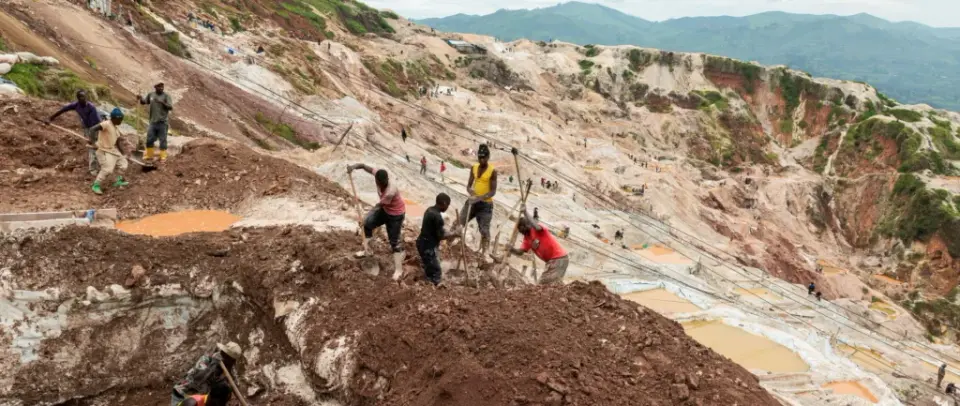
Amnesty International released a briefing accusing the Rwanda-backed M23 group of committing war crimes against artisanal miners in the eastern Democratic Republic of Congo. The report details summary killings, torture, and forced labor at gold and coltan mines in North and South Kivu. It alleges that Rwandan authorities and officials facilitate the trafficking of these minerals across the border, profiting from the plunder. Amnesty calls for a halt to mineral purchases from Rwanda until concrete evidence proves the end of illicit trafficking.
Key points
- Amnesty International documented 18 summary killings of miners at the Rubaya and Lomera sites, including beatings, shootings, and abductions.
- The report details torture, arbitrary detention in shipping containers and underground cells, and forced recruitment of miners into M23 military training.
- Evidence shows gold and coltan are trafficked from DRC to Rwanda via boats and established smuggling routes, with Rwandans present at mining sites.
- Amnesty International argues these actions may constitute the war crime of pillage and calls on the African Union and international actors to hold perpetrators accountable.
- The organization urges companies to stop buying minerals from Rwanda or its refineries until the government provides proof that illicit trafficking has ceased.
Background
This report highlights the ongoing conflict in eastern DRC, where control over mineral-rich areas drives violence. Previous market analyses noted global gold price surges and increased central bank buying, but this briefing focuses on the human rights abuses and illicit supply chains behind the extraction of these critical minerals in conflict zones.
Why it matters
The findings link global demand for critical minerals to severe human rights violations and potential war crimes in the DRC. If verified, the involvement of Rwandan authorities and the trafficking of minerals to Rwanda could trigger international legal accountability and disrupt supply chains for electronics and other industries.
What to watch
Amnesty International is calling on the US, EU, and African Union to enforce stricter oversight and halt mineral purchases from Rwanda. The organization expects pressure on Rwandan officials to end their role in the abuses and to provide concrete evidence that trafficking has stopped.
- DRC: M23 fighters abused miners and trafficked gold and coltan to Rwanda Amnesty International
- Amnesty accuses M23 of abuses amounting to war crimes at Congo mines AP News
- Amnesty accuses M23 rebels of killings and abuses at Congo mines africanews.com
- Amnesty alleges 18 miner executions by M23 in DR Congo APAnews - Agence de Presse Africaine
- Congo-Rebels-Crimes Dayton Daily News
Want the full story? Read the original reporting
Read on Amnesty International