The European Union will invest €200 million in Greenland over the next two years to deepen economic ties and develop its digital connectivity, clean energy (hydropower), and sustainable mining of critical minerals, reinforcing EU-Denmark-Greenland relations amid renewed US interest under Donald Trump. The move accompanies NATO Arctic Shield exercises and a broader EU Arctic strategy that earmarks €530 million for Greenland in the next budget.
Despite years of anti-EV rhetoric, the Trump administration unveils about $3 billion for domestic mineral projects (graphite, magnets, silicon anode material) and related loans/stakes to strengthen U.S. battery supply chains, a move officials frame as national security-driven and beneficial to EV makers and defense tech. The initiative complements existing programs with commitments to companies like Westwater Resources, Sila Nanotechnologies, Lithium Americas, and Niron Magnetics, and could accelerate domestic EV production as mineral independence becomes a policy focus.
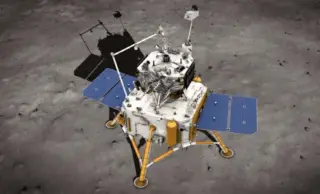
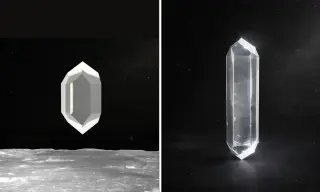
Two new minerals identified in microscopic lunar grains from China’s Chang’e 5 mission—magnesiochangesite-(Y) and changesite-(Ce)—offer fresh insights into the Moon’s formation and cooling, showing regional magma crystallization differences and extending lunar volcanism dating to about 2.03 billion years ago.
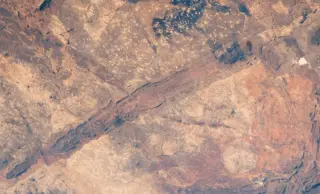
NASA imagery highlights the 2.5-billion-year-old Great Dyke of Zimbabwe—a massive lopolith rich in platinum, gold, nickel and other minerals. Spanning about 342 miles with widths of 2–8 miles and hills up to 1,500 feet, it preserves Earth’s deep history while underpinning a major mining region.
Chinese scientists have identified two previously unknown lunar minerals, magnesiochangesite-(Y) and changesite-(Ce), from Chang'e-5 samples. Both belong to the merrillite group and were officially approved by the International Mineralogical Association, marking a continuation of China’s lunar mineral discoveries. The ultra-rare, micrometer-scale crystals—found in Oceanus Procellarum material and a lunar meteorite—reveal unique crystal structures not seen on Earth and offer new insights into the Moon’s magmatic history and potential rare-earth resources for future in-situ utilization. Scientists used a suite of advanced instruments to confirm the minerals’ composition and structure, underscoring the complexity of lunar soil and its geological diversity.
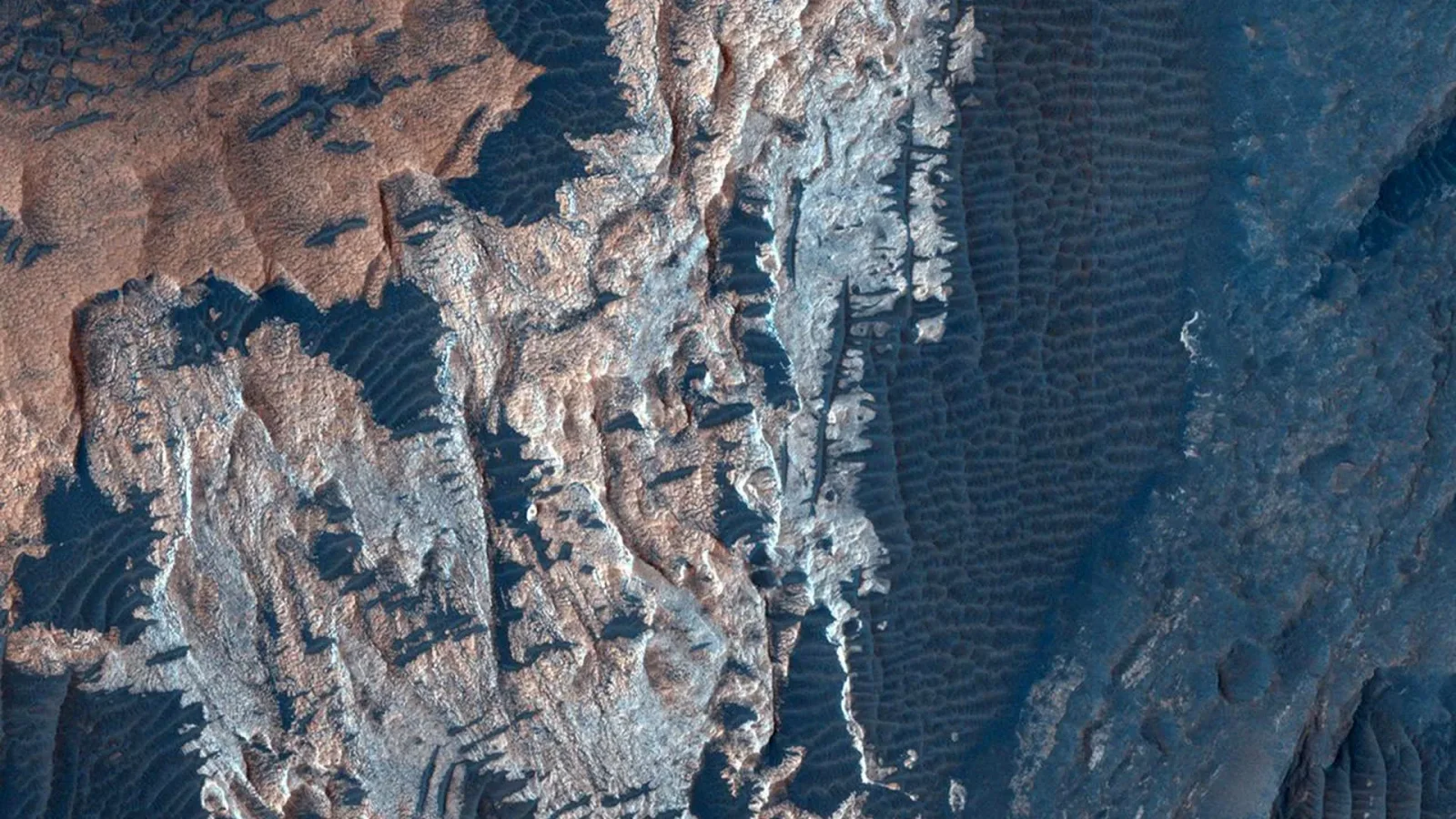
Scientists analyzing Martian sulfate deposits near Valles Marineris combined laboratory heating experiments with orbital data to identify ferric hydroxysulfate, a potentially new mineral that forms when hydrated ferrous sulfates are heated in the presence of oxygen; its spectral signatures and layered occurrence imply past warmer, wetter conditions and geothermal activity on Mars, though Earth verification is needed to officially recognize it as a new mineral.
A thought experiment imagines the US–Israel–Iran crisis unfolding in a world powered largely by wind, solar and batteries. In this renewables-dominated system, energy is more domestically produced, transportation is electric, and heating relies on local renewables, muting the oil-price spike and inflation seen today. The immediate macro shock would be weaker, with oil still traded but less central to daily energy use; electricity would largely continue, and household bills would be more stable. Geopolitics would shift from controlling oil chokepoints to managing diversified, distributed grids and supply chains for minerals like lithium, cobalt and rare earths, which could create new chokepoints in processing hubs and semiconductor plants. Community consent and stronger environmental standards would give local actors greater leverage over projects. Overall, decarbonisation could yield greater energy resilience and geopolitical stability, but energy security would still be contested, now around minerals and domestic grid resilience rather than a single strait like Hormuz.
A Nautilus study of shed caribou antlers and bones from Alaska’s Arctic National Wildlife Refuge found that about 86% of the 1,567 shed antlers bore gnaw marks, mostly by caribou themselves, while 44% of bones showed gnaw marks by carnivores or rodents. The researchers conclude that female caribou chew antlers to access minerals such as calcium and phosphorus to support pregnancy, nursing, and the winter, effectively seeding essential nutrients at calving grounds and across their migratory landscape.
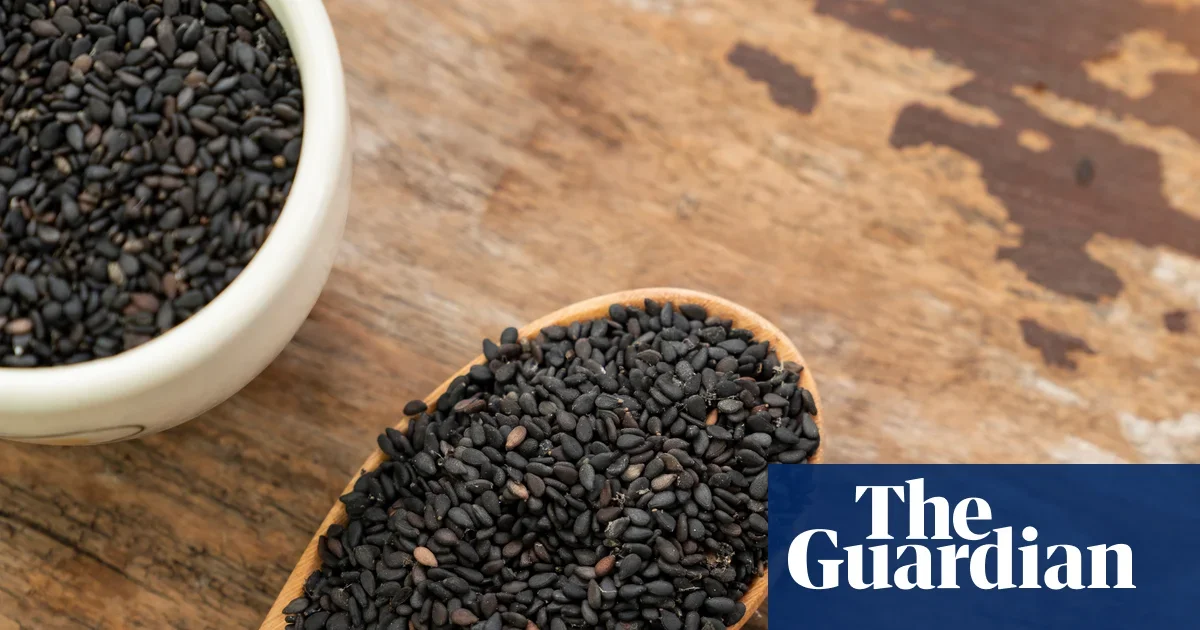
Black sesame is becoming popular in the US, praised for minerals like calcium, magnesium, phosphorus, potassium, and zinc that support bone, heart, and immune health. A 2025 review hinted that about 10 g daily for eight weeks may modestly improve blood sugar and cholesterol, but benefits aren’t guaranteed. Calories vary by form (about 60 cal per tablespoon for whole seeds; tahini ~90 cal), and black sesame tends to have more minerals and fiber than lighter varieties. It’s generally safe in a balanced diet, but can affect blood pressure meds or anticoagulants, and sesame allergies are relatively common in the US. Oxalates/phytates can affect digestibility, so soaking seeds can help. Also note that lignans in sesame are phytoestrogens with modest, uncertain effects on menopause or cancer risk. Use by grinding or toasting and sprinkling on foods; remember to enjoy sesame as part of a diverse mix of seeds rather than a miracle superfood.
The United States is pressing its G7 partners and other major economies to accelerate cutting reliance on China for rare earths and other critical minerals, citing strategic and market risks. Treasury Secretary Scott Bessent plans to push the issue with finance leaders, while China’s grip has already seen export restrictions that heighten Western supply concerns. A recent Australia deal aims to ease Beijing’s control via an $8.5 billion project pipeline, but there is currently no joint action expected, with progress described as ongoing but not solved.
To age gracefully, adults over 50 should focus on adding key vitamins and minerals like magnesium, B vitamins, calcium, vitamin D, omega-3s, and zinc to their diet, preferably after consulting with a healthcare professional, to support bone health, immune function, and overall well-being.
Canada has announced a C$6.4 billion initiative to boost its mineral sector, aiming to strengthen its position in the global race for critical resources amid increasing competition with China.
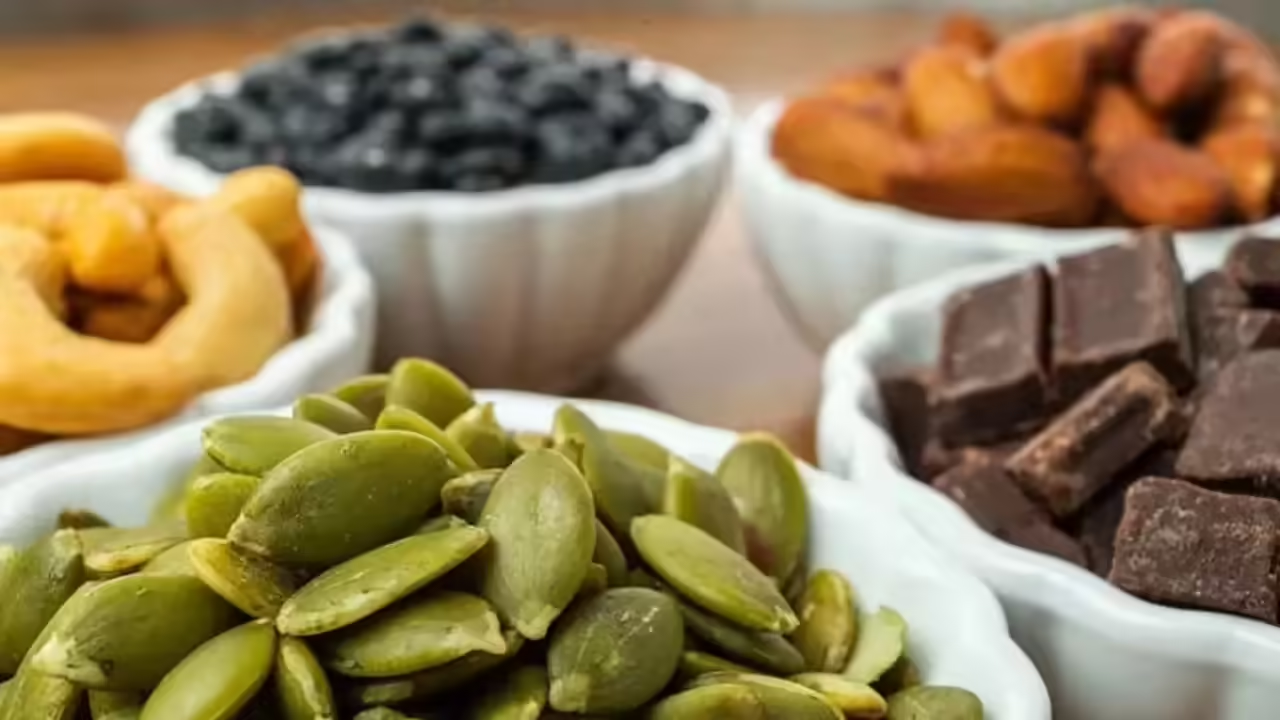
Magnesium is an essential mineral vital for various bodily functions, yet many people lack sufficient intake due to processed foods. This article reveals 10 surprising natural food sources of magnesium beyond common options like spinach and almonds, offering practical ways to boost magnesium intake naturally.
Certain nutrients like copper, iron, vitamin D, B12, and folate may help slow down or prevent premature graying of hair by supporting melanin production and hair follicle health, though dietary changes should be discussed with a healthcare professional.
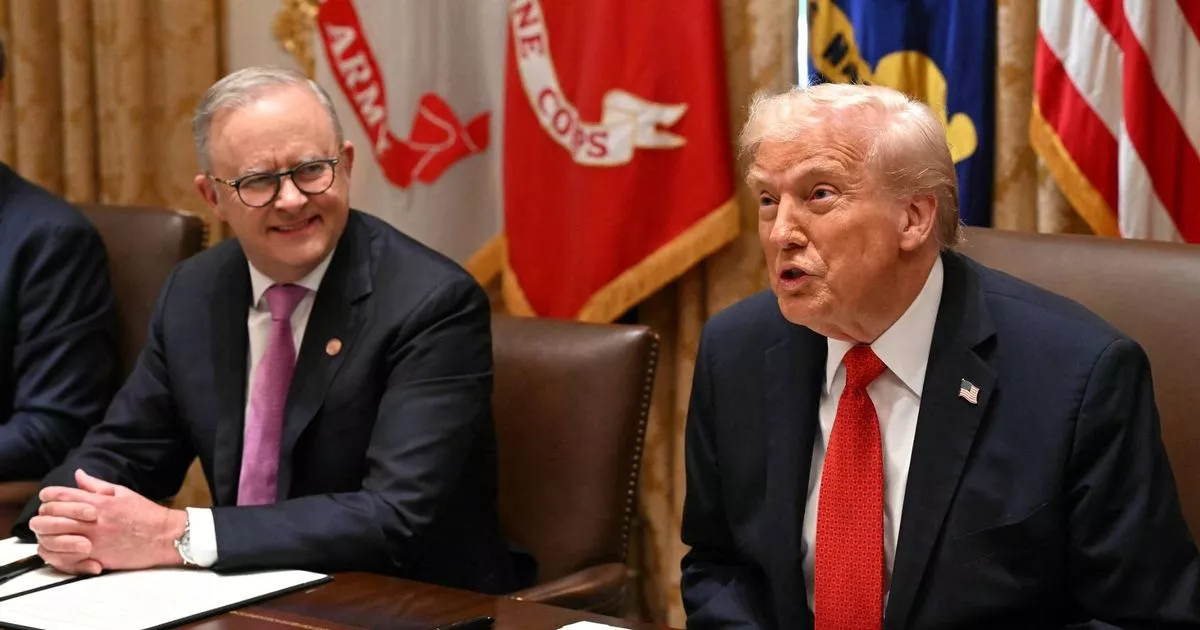
During a meeting with Australian Prime Minister Albanese, Donald Trump had a tense exchange after learning he was sitting near Australia's ambassador, Kevin Rudd, who had previously called him a 'village idiot.' The discussion focused on strengthening US-Australia cooperation on critical minerals amid China's increasing control over rare earth supply chains, with Trump threatening tariffs and export controls on China.