
Kordofan Displacement Surges Past 200,000 as Drone Strikes Target El-Obeid Infrastructure
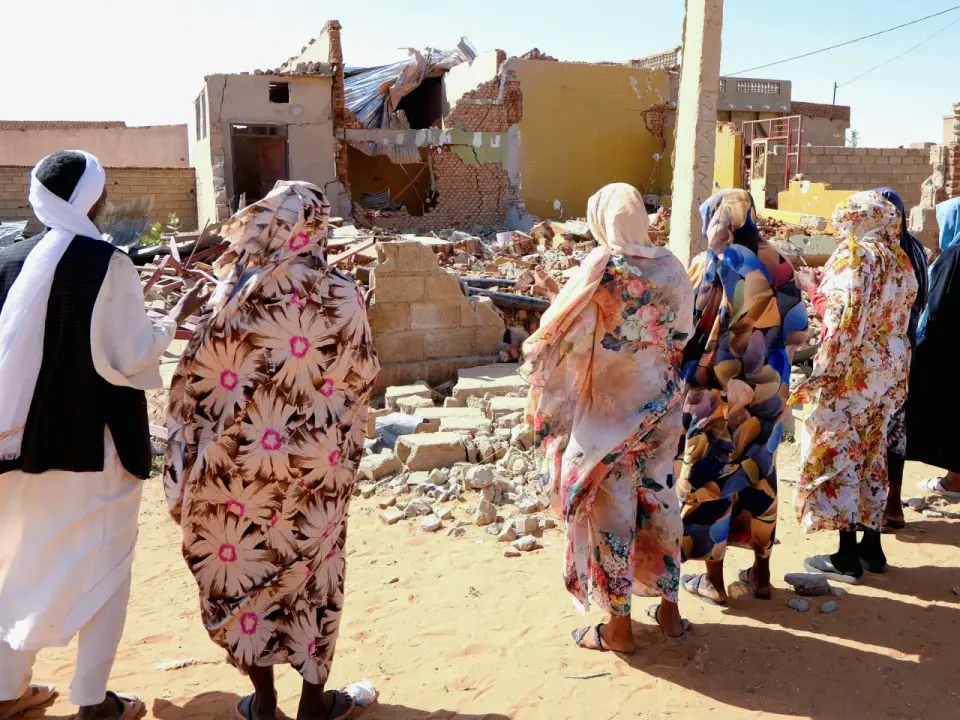
Over 200,000 people have been newly displaced in Sudan’s Kordofan region due to intensified fighting and drone attacks on critical infrastructure in el-Obeid, according to the UN. The crisis is compounded by seasonal flooding in North Darfur, with the IOM warning that families are losing access to water, electricity, and healthcare. El-Obeid’s population has swelled to an estimated 3.4 million, up from 750,000 pre-war, as the RSF maintains positions south and west of the city.
Key points
- The UN’s International Organization for Migration (IOM) reported that over 200,000 people have been newly displaced in Kordofan since late 2025, with displacement in Sheikan district surging 25% over eight months.
- RSF drone attacks on el-Obeid’s main power transformer have knocked out electricity, disrupting water pumping, hospital operations, and phone lines.
- Seasonal flooding in North Darfur’s Tawila area has damaged nearly 1,350 homes and displaced over 1,000 families, compounding the crisis.
- El-Obeid’s population has grown from 750,000 to an estimated 3.4 million, with nearly 39,000 children arriving in the city in the first half of 2026, according to Save the Children.
- The broader Sudan conflict, which began in 2023, has killed at least 59,000 people and displaced 14 million, with 8.6 million internally displaced and 4.2 million fleeing to neighboring countries.
Background
Sudan’s war, which erupted in 2023 amid a power struggle between the Sudanese army and the Rapid Support Forces (RSF), has caused one of the world’s largest displacement crises. Previous coverage noted renewed tensions in Ethiopia’s Tigray region, but the current crisis in Kordofan is driven by sustained RSF attacks and infrastructure damage. The UN has warned that 33.7 million people in Sudan require humanitarian assistance, with the combined impact of conflict, infrastructure damage, and flooding stretching families beyond their limits.
Why it matters
The destruction of critical infrastructure in el-Obeid, including power and water systems, threatens the survival of millions of displaced people and exacerbates a humanitarian crisis that is already among the world’s worst. The surge in displacement and the influx of children into the city highlight the severe long-term consequences of the conflict on Sudan’s population and regional stability.
What to watch
The IOM and other UN agencies are likely to continue monitoring the displacement crisis and calling for increased humanitarian aid. The RSF’s continued attacks on el-Obeid and nearby villages may lead to further displacement and infrastructure damage. Seasonal flooding in North Darfur could worsen the humanitarian situation in the coming weeks, requiring additional emergency response efforts.
- Over 200,000 people newly displaced in Sudan’s Kordofan as fighting rages Al Jazeera
- Sudan war: 200,000 newly displaced as fighting and floods intensify UN News
- 5,000 displaced people arrive in capital of Sudan’s Blue Nile state: Medical group Anadolu Ajansı
- Sudan humanitarian crisis: When roads become impassable, help cannot wait care.org
- Sudan: More Than 200,000 People Displaced Since Eruption of Blue Nile Fighting Arab News PK
Want the full story? Read the original reporting
Read on Al Jazeera