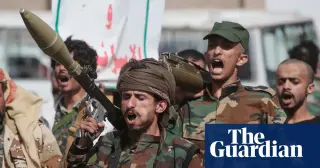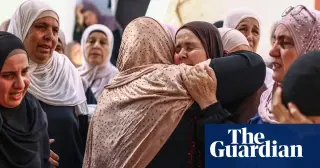
Prime Minister Benjamin Netanyahu announced Israel would intensify its strikes on Hezbollah, and the IDF launched attacks across Lebanon—including the Bekaa Valley—after declaring the war on Hezbollah; despite a ceasefire extension, fighting continues with ten Israeli soldiers killed, more than 400 Lebanese killed, and over a million people displaced as Israel widens its campaign beyond the south.
AP reports that cartel violence, drone surveillance, and security crackdowns are driving a hidden displacement crisis in Mexico, forcing families to flee their homes and creating mounting humanitarian challenges amid evolving government responses.
In Port-au-Prince’s Cité Soleil, residents protested for police protection after weekend gang clashes drove hundreds from their homes, with reports of killings and arson as hospitals evacuated and the U.N.-backed force works to quell the violence.
Armed gang clashes in Port-au-Prince force hundreds to flee their homes, scattering families along the road to Toussaint Louverture airport as authorities and aid groups scramble to respond.
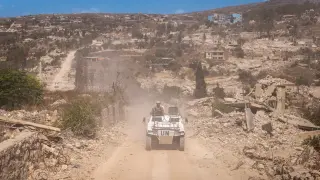
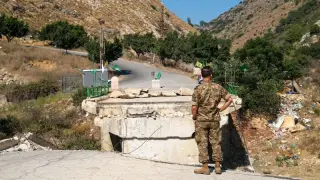
The article chronicles Israel’s staged assault on southern Lebanon after Hezbollah rockets, with evacuation orders forcing about 14.3% of Lebanon’s territory to be vacated and more than 1.2 million people displaced toward Tyre, Sidon and Beirut. Israeli strikes have pounded the region, destroying bridges and hundreds of buildings, and a ‘yellow line’ zone north of the border remains under Israeli occupation (roughly 608 sq km). Despite a 17 April ceasefire, fighting persists at a lower intensity, and human rights groups warn that border-village demolitions could amount to war crimes. The conflict has left thousands dead or wounded and continues to unfold with ongoing concerns about a broader collapse before Washington-brokered negotiations. Satellite, video and map evidence are used to document the destruction and displacement. Ignores no-go areas and shows the broader humanitarian toll across south Lebanon.
Israeli airstrikes across southern and eastern Lebanon killed at least 13 people and wounded more than a dozen, with 12 villages ordered displaced as fighting escalates after a US-brokered ceasefire. Attacks hit towns including Zellaya, Mayfadoun, Siksikiyah and Khirbet Selm; Hezbollah said it attacked Israeli forces while Israel cited Hezbollah violations of the truce. The article notes the broader conflict has killed thousands and displaced over a million.
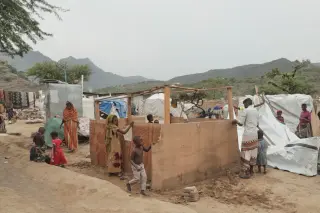
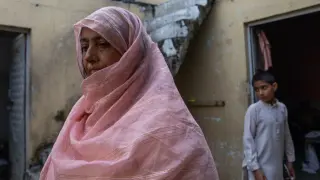
War and the collapse of health services in East Darfur have sparked a measles outbreak that has killed dozens and infected around 1,000 across Labado, as vaccination and medicine supplies dwindle and families struggle to reach care. Vaccines only began arriving in mid‑April after a months‑long gap, and official counts clash—Labado groups report about 70 deaths and 1,000 infections, while health officials cite roughly 26 deaths and 300 cases—highlighting a broader collapse of routine immunization and the toll on displaced communities.
Tornadoes swept northern Texas, killing at least two people, destroying homes and damaging power infrastructure in Springtown, and forcing families to evacuate and seek shelter as crews work to restore services.
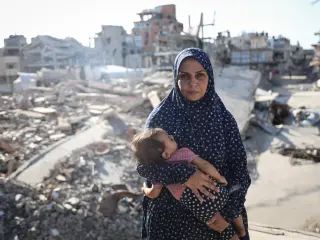
Deir el-Balah in central Gaza held its first municipal elections since 2006, with about 70,000 eligible voters casting ballots in tents as much of the city’s infrastructure remains damaged by war. Residents welcomed the vote as a chance for peaceful, non‑partisan change and practical improvements for displaced families and basic services, despite severe logistical hurdles like shortages of ballot materials and ink and the ongoing impact of conflict on daily life.
CNN, using Airbus satellite imagery, documents extensive destruction in southern Lebanon since Israel’s March offensive against Hezbollah, with hundreds of buildings flattened and demolitions continuing after the ceasefire. Israeli officials signal a long-term security zone and a border ‘yellow line’ akin to Gaza, while rights groups warn the tactics mirror Gaza’s destruction. About 1.3 million Lebanese have been displaced, and civilians face uncertainty as homes and infrastructure are erased and fears of permanent occupation grow.
Somalia is facing a rapidly worsening hunger crisis driven by three consecutive failed rainy seasons, drought and ongoing conflict. About 6.5 million people are skipping meals, with more than 2 million in IPC Phase 4 and 1.8 million children under five at risk of acute malnutrition; over 3.3 million people have been displaced. Aid funding is woefully short—only about 20% of the $1.42 billion appeal has been received—forcing cuts in services, rising prices, and closures of health facilities as displacement and needs rise.
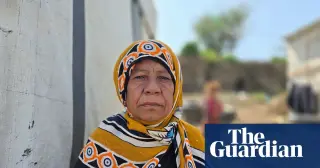
BBC Verify and a Lebanese couple used satellite imagery to show their home in Qouzah, southern Lebanon, was destroyed during renewed Israel-Hezbollah fighting; analysts say the damage extends to dozens of villages as more than 1.2 million people have been displaced since March, with Israel claiming strikes on military targets near the village and a 10-day ceasefire beginning on 16 April.
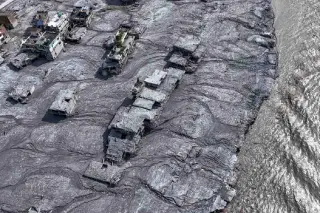
A massive fire in Sabah’s Sandakan district destroyed about 1,000 floating stilt homes in a water village, affecting 9,007 residents; firefighters faced access challenges due to narrow routes, low tide, and strong winds, but there were no injuries or fatalities, and authorities are coordinating relief and temporary housing for those displaced.
A fire in Sabah’s Sandakan district destroyed about 200 wooden homes in a water village, displacing an estimated 445 people as winds drove the blaze and low tide limited water access for firefighting; authorities say the affected homes are no longer safe, and the federal government is coordinating basic aid and temporary relocation for victims.
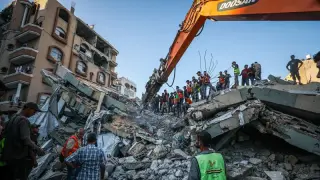
CNN reports from Beirut that Israeli strikes across Lebanon have overwhelmed hospitals, killed more than 2,000 people and wounded thousands, displaced about 1 million residents, and left communities shattered as bridges are destroyed and displacement camps swell; aid agencies warn medical supplies are near depletion and the country faces a protracted recovery despite a fragile ceasefire.