
Oleshky Residents Face Starvation as Food Supplies Halt Since May
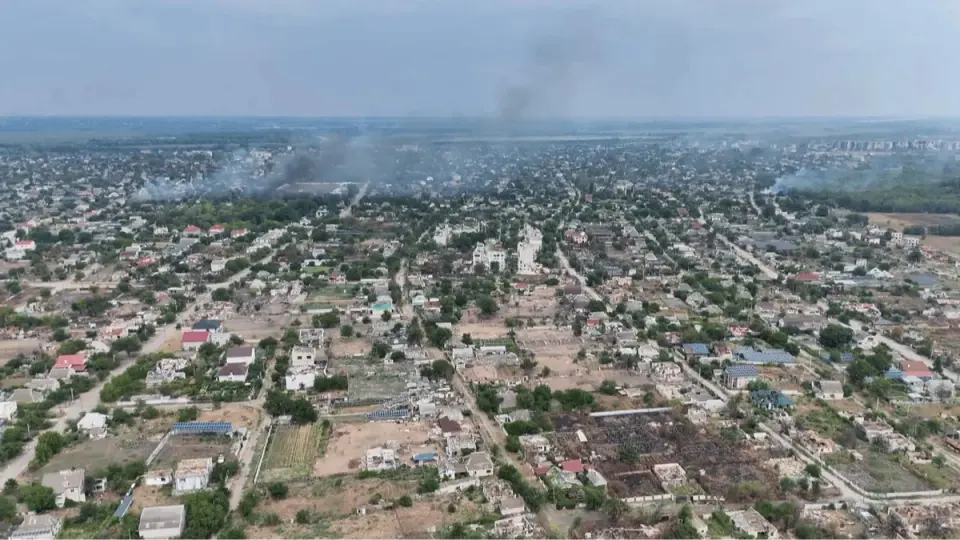
Ukrainian officials and international bodies have raised alarms regarding a critical humanitarian crisis in the Russian-occupied city of Oleshky, Kherson Oblast. With no food deliveries since late May, approximately 6,000 residents, including 200 children, are facing severe starvation. Reports indicate civilians are consuming garden weeds and grass to survive, while access to clean water, electricity, and medical care has collapsed. Ukrainian Foreign Minister Andrii Sybiha has called for immediate international intervention to secure humanitarian access and safe evacuations, holding Russia responsible for the blockade. The Kremlin has acknowledged supply issues but blamed Kyiv, while local residents describe a 'full blockade' that prevents access to basic necessities.
Key points
- Ukrainian Foreign Minister Andrii Sybiha stated that Oleshky has almost no food left, with some civilians forced to eat grass and weeds to survive.
- The last food delivery to Oleshky was in late May, according to the UN Human Rights Monitoring Mission in Ukraine.
- Approximately 6,000 people remain in Oleshky and surrounding areas, including around 200 children who are suffering from malnutrition.
- The city has lacked electricity, gas, and water since the collapse of the Nova Kakhovka Dam in 2023, exacerbating the current crisis.
- Sybiha called on the UN, the International Committee of the Red Cross, and other international actors to facilitate humanitarian aid and safe evacuations.
- The Kremlin acknowledged a 'critical situation' regarding food and medicine supplies but blamed Kyiv for the issues, stating Russian military was working to resolve them.
Background
Oleshky, located in Kherson Oblast, has been under Russian occupation since 2022. The city suffered significant damage from the collapse of the Nova Kakhovka Dam in June 2023, which left it without electricity, gas, or water. Prior to the full-scale invasion, the city was home to 24,000 people. Recent reports from Ukrainian religious organizations and diplomats have highlighted the worsening humanitarian situation, with the Ukrainian Council of Churches and Religious Organisations declaring the city on the brink of a catastrophe in September 2026. The current crisis is part of a broader pattern of deprivation in Russian-occupied territories, where access to basic necessities has been severely restricted.
How outlets are covering it
Ukrainian sources, including Foreign Minister Andrii Sybiha and the 34th Separate Marine Brigade, emphasize the severity of the humanitarian catastrophe, describing Oleshky as a 'ghost town' where residents are forced to eat grass and weeds due to a 'full blockade' by Russian forces. They hold Russia responsible for the situation and urge international pressure to secure aid and evacuations. In contrast, the Kremlin has acknowledged 'problems with supplies of food and medicine' but blamed Kyiv for the issues, stating that Russian military was working to resolve them. BBC reporting highlights the daily struggle of residents, such as a woman named Halia, who eats once a day and relies on garden weeds, while also noting the dangers of traveling on mined roads. Ukrinform reports that some residents are picking purslane from gardens and boiling it, while others are afraid to go outside due to constant danger. The BBC also notes that the UN Human Rights Monitoring Mission has recorded at least 29 civilian deaths and 54 injuries in Oleshky and nearby Hola Prystan, though local volunteers estimate the numbers could be significantly higher.
Why it matters
The situation in Oleshky highlights the severe humanitarian impact of the Russia-Ukraine war on civilian populations in occupied territories. The lack of food, water, and medical care, combined with the inability to evacuate, raises concerns about potential mass starvation and further civilian deaths. International attention and pressure are crucial to securing humanitarian access and safe evacuations, as the crisis could serve as a precedent for the treatment of civilians in other conflict zones. The response of international organizations and governments to this crisis may influence future humanitarian aid efforts and diplomatic negotiations in the region.
What to watch
International organizations, including the UN and the International Committee of the Red Cross, are expected to continue efforts to secure humanitarian access to Oleshky. Ukrainian officials will likely maintain pressure on Russia to allow aid deliveries and safe evacuations. The Kremlin may continue to deny responsibility for the blockade while attempting to address supply issues. Local residents will face ongoing challenges in accessing basic necessities, with the risk of further civilian deaths and injuries. Diplomatic efforts, including those by the Council of Europe Commissioner for Human Rights, may focus on calling for a local ceasefire and unhindered humanitarian access. The situation in Oleshky will likely remain a focal point for international humanitarian discussions and potential diplomatic negotiations.
- Ukraine sounds alarm over situation in Oleshky, where people are eating grass due to hunger Українська правда
- 'The blockade is complete': Locals flee occupied south Ukraine as hunger deepens ABC News - Breaking News, Latest News and Videos
- Oleshky: Eating garden weeds to survive in Russian-occupied city cut off from food and water BBC
- 'Nothing left to eat' — Sybiha urges partners to act on Oleshky humanitarian crisis The Kyiv Independent
- Cases of people starving to death reported in occupied Oleshky — journalist Ukrinform
Want the full story? Read the original reporting
Read on Українська правда